The Challenge of Fungal Bloodstream Infections
Fungal bloodstream infections, particularly candidemia, pose a significant threat to hospitalised individuals, especially those who are immunocompromised or have indwelling medical devices. Early and accurate diagnosis is absolutely vital for effective treatment. Delays in identifying the specific fungal pathogen can lead to increased morbidity, mortality, and prolonged hospital stays.
Traditionally, blood cultures relied on manual methods, which were time-consuming and labour-intensive, often taking several days to yield results. This lengthy diagnostic window presented a critical challenge for physicians striving to initiate timely and appropriate antifungal therapy.
Introducing Automated Blood Culture Systems
You'll notice that modern clinical laboratories have increasingly adopted automated blood culture systems. These advanced platforms revolutionise the detection of microorganisms in blood samples, including fungi.
Unlike older methods, automated systems continuously monitor cultures for microbial growth, flagging positive results much faster. This technological leap significantly shortens the time to identify a fungal presence.
It sounds simple. It rarely is.
How Automated Systems Work
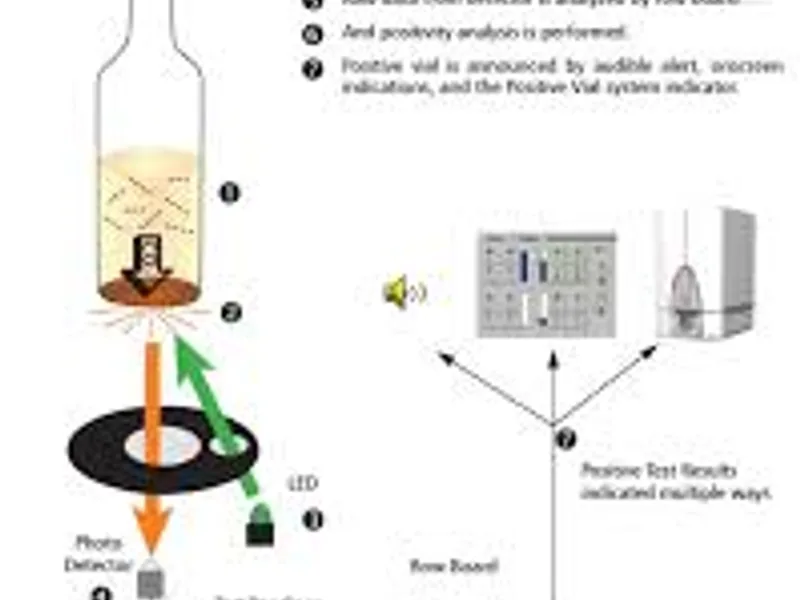
Automated blood culture systems typically employ sophisticated detection mechanisms. These can include changes in detected gases (like CO2 production), changes in electrical impedance or conductivity, or even fluorescent signals indicating metabolic activity.
When a fungus begins to grow in the inoculated blood culture bottle, these changes are registered by the instrument. The system then alerts laboratory personnel to the potential presence of a pathogen, enabling quicker subculturing and identification.
The Advantages of Automated Fungus Detection
Practically speaking, the benefits of automated blood culture for fungus are substantial. Firstly, the speed of detection is a key advantage.
Results can often be available within 24 to 72 hours, a marked improvement over traditional methods that might take 5 days or more. This accelerated diagnosis allows physicians to initiate targeted antifungal care sooner, which is crucial for patient outcomes.
Secondly, these systems enhance diagnostic accuracy. By providing a more consistent and sensitive method for detecting fungal growth, they reduce the chances of false negatives. Have you ever wondered why some infections are missed?
The numbers don't lie.
Automation helps minimise such errors. This reliability is paramount when dealing with potentially life-threatening conditions.
On top of that,, automation streamlines laboratory workflow. It reduces the need for constant manual inspection of culture bottles, freeing up valuable time for skilled microbiologists to focus on complex identifications and quality control. This increased efficiency supports higher throughput and better resource management within the lab.
Impact on Patient Care and therapy
In real-world terms, faster identification of fungal pathogens enables a more precise and timely selection of antifungal agents. This targeted approach not only improves the chances of successful intervention but also helps combat the growing problem of antifungal resistance.
When physicians know the specific fungus causing the infection, they can choose the most proven drug, avoiding the broad-spectrum, potentially toxic therapies often used when the pathogen is unknown.
What's the bottom line here? Patients receive the right care faster. This can translate directly into shorter hospital stays, reduced healthcare costs, and, most importantly, saved lives. For individuals battling serious infections, every hour counts, and automated systems provide a critical edge.
The numbers don't lie.
Addressing Limitations and Future Directions
While automated systems offer notable advancements, they are not without limitations. The initial capital investment can be substantial.
What's more,, these systems still require skilled personnel for operation, interpretation of results, and performing confirmatory tests (like Gram stains and biochemical or molecular identification methods). It's also important to remember that sensitivity can vary depending on the specific instrument and the volume of blood cultured.
The future of fungal blood culture diagnostics likely involves further integration of technologies. Advancements in molecular methods, such as real-time PCR and mass spectrometry (like MALDI-TOF MS), are increasingly being coupled with or used as rapid follow-ups to automated culture results.
These combined approaches promise even faster and more accurate identification of fungi directly from positive blood cultures or even from the initial blood sample.
The Role in India's Healthcare Landscape
As India continues to strengthen its healthcare infrastructure, the adoption of advanced diagnostic technologies like automated blood culture systems becomes increasingly crucial. These systems can help bridge the gap in diagnostic capabilities, especially in remote or resource-limited settings, provided adequate training and support are available.
By enhancing the speed and reliability of fungal infection diagnosis, automated blood culture technology plays a vital role in improving patient outcomes across the nation.