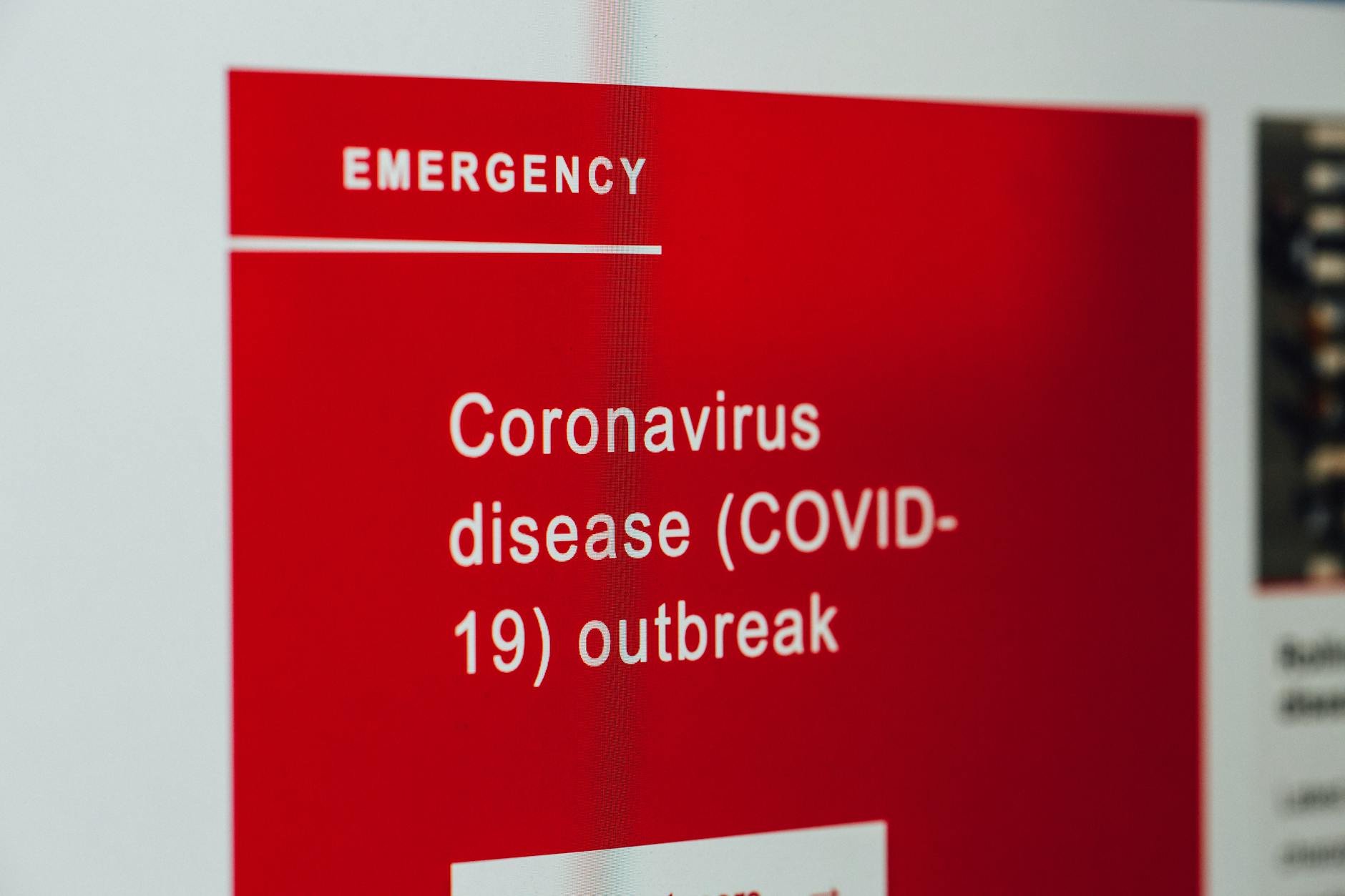
It's a common question among pet parents: "Can my dog get sick from me?" We love our furry companions dearly, and the thought of accidentally passing on an illness can be worrying. While it's true that some diseases can jump between humans and dogs, it's not as frequent as you might think. Understanding these 'zoonotic' diseases – those that can be transmitted between animals and humans – is key to keeping both you and your pet healthy. Our pets, especially dogs, are more than just animals; they're family. They offer unconditional love, encourage us to stay active, and are proven stress-busters. So, it’s natural to be concerned about their well-being. This article aims to demystify the transmission of illnesses between humans and dogs, covering what you can catch from them and what they might catch from you. We'll also provide practical advice on how to minimize the risk and maintain a healthy environment for everyone in your household. What Are Zoonotic Diseases? Zoonotic diseases, or zoonoses, are infections that can spread from animals to humans, or from humans to animals. While many diseases are species-specific, a number of them can cross the species barrier. This transmission can occur through direct contact with an infected animal (like petting or touching their saliva, blood, or urine), or indirectly through contaminated environments, food, or water. Can Dogs Catch Illnesses from Humans? Yes, dogs can potentially catch certain illnesses from humans, though it's relatively uncommon. The primary ways this can happen are through close contact and exposure to viruses or bacteria shed by an infected person. Let's look at some specific examples: Influenza (The Flu) The human flu is caused by various influenza viruses. Research has shown that certain strains, like the 2009 H1N1 and some H3N2 strains, can infect dogs. However, it's important to note that while dogs might contract these viruses, they don't always develop severe symptoms. They might show mild signs, but they generally don't become as ill as humans do from the flu. The viruses that cause canine influenza are different from those that cause the flu in humans. So, if your dog has the 'dog flu,' it's a separate issue from your human cold or flu. COVID-19 The novel coronavirus, SARS-CoV-2, which causes COVID-19 in humans, has also been detected in dogs. It's believed that dogs contract this virus from close contact with infected humans. While the number of reported cases in dogs is small, it highlights the possibility of transmission. Symptoms in dogs, if they occur, are typically mild and can include coughing, sneezing, lethargy, and nasal discharge. Most dogs that contract COVID-19 recover fully. Bacterial Infections Several bacterial infections can be transmitted between humans and dogs: Salmonella : This common bacteria can cause gastrointestinal illness in both species. Transmission usually happens through the fecal-oral route. If you have salmonellosis and don't wash your hands thoroughly after using the toilet, you could potentially pass it to your dog if you touch their mouth or face. Symptoms in dogs can include diarrhea, vomiting, and fever. Campylobacter jejuni : Similar to Salmonella, this bacterium can cause diarrhea, fever, and decreased appetite in dogs. Transmission is also fecal-oral. Proper hygiene after using the restroom is crucial to prevent spreading this to your pet. Methicillin-resistant Staphylococcus aureus (MRSA) : Humans can carry MRSA on their skin without showing symptoms. However, if MRSA bacteria enter a break in the skin, it can cause serious infections. Dogs can contract MRSA from humans who are carriers. In dogs, it can lead to skin, respiratory, or urinary tract infections. Tuberculosis (TB) Tuberculosis, caused by the bacterium Mycobacterium tuberculosis, is primarily a respiratory illness in humans. While rare, transmission from humans to dogs has been reported. Dogs infected with TB may show symptoms similar to those in humans, such as persistent coughing, fever, and weight loss. Mumps Mumps is a viral illness that causes swelling of the salivary glands. Thanks to widespread vaccination, mumps is much less common now. It's highly unlikely that you would transmit mumps to your dog in today's world. Common Cold Generally, the viruses that cause the common cold in humans (like rhinoviruses and coronaviruses, other than SARS-CoV-2) do not infect dogs. Dogs have their own set of respiratory viruses that cause symptoms similar to a cold, but these are usually different from human cold viruses. Can Humans Catch Illnesses from Dogs? Yes, humans can also catch certain illnesses from dogs. This is a more common concern than dogs catching illnesses from humans. Some examples include: Rabies : This is a serious viral disease that affects the nervous system. It's transmitted through the bite of an infected animal. Rabies is almost always fatal if not treated promptly after exposure. Vaccinating your dog is the most effective way to prevent rabies. Ringworm : Despite its name, ringworm is a fungal infection, not a worm. It causes itchy, red, circular rashes on the skin. Humans can contract ringworm from dogs through direct contact with an infected animal or contaminated surfaces. Leptospirosis : This bacterial infection can be spread through the urine of infected animals, including dogs. Humans can become infected if they come into contact with contaminated water or soil, or direct contact with infected urine. Symptoms can range from mild flu-like symptoms to severe kidney and liver damage. Scabies : This is a contagious skin infestation caused by tiny mites. While dogs have their own type of mange mites, in rare cases, humans can get a temporary skin irritation from dog scabies mites. However, human-to-human transmission of these specific mites is more common. Bacterial Infections : As mentioned earlier, bacteria like Salmonella, Campylobacter, and MRSA can also be transmitted from dogs to humans, typically through contact with feces or contaminated environments. Preventing the Spread of Illness Between You and Your Dog The good news is that by following some simple hygiene practices and taking preventative measures, you can significantly reduce the risk of disease transmission: Practice Good Hand Hygiene : This is the single most important step. Always wash your hands thoroughly with soap and water after handling your dog, their food, or cleaning up after them. Wash your hands before eating and after using the restroom. Vaccinate Your Dog : Ensure your dog is up-to-date on all recommended vaccinations, especially for diseases like rabies and leptospirosis. Regular Veterinary Check-ups : Take your dog for regular check-ups. Your vet can identify and treat potential health issues early, preventing them from spreading. They can also advise on parasite control. Maintain a Clean Environment : Regularly clean your dog's living areas, bedding, food bowls, and toys. Disinfect surfaces that may have come into contact with your dog's waste. Safe Food Handling : Avoid cross-contamination when preparing your dog's food. Wash utensils and surfaces thoroughly. Supervise Interactions : Be mindful of interactions between children and pets, especially regarding hygiene. Teach children to wash their hands after playing with pets. Manage Your Own Health : If you are sick, try to limit close contact with your dog, especially if you have a contagious illness like the flu or COVID-19. Consider having another family member care for your dog during this time if possible. Be Aware of Symptoms : Know the signs of common illnesses in both humans and dogs. If you or your pet show unusual symptoms, consult a doctor or veterinarian promptly. A Real-Life Scenario Imagine Maya, a devoted dog owner, caught a nasty bout of the flu. She was coughing frequently and feeling very weak. Her Golden Retriever, Buddy, stayed close by, resting his head on her lap. Maya felt a pang of worry – was she going to make Buddy sick? While it's possible Buddy could pick up some of the flu virus, Maya focused on her own recovery and made sure to wash her hands diligently after any close contact, like petting him or cleaning his water bowl. Thankfully, Buddy remained his usual cheerful self, showing that with good hygiene, the risk can be managed. When to Consult a Doctor or Veterinarian It's always best to err on the side of caution. Consult your doctor if you develop unusual symptoms after close contact with your pet, or if you have a weakened immune system and are concerned about exposure. Similarly, if your dog shows signs of illness such as lethargy, loss of appetite, persistent coughing or sneezing, vomiting, diarrhea, or unusual skin lesions, contact your veterinarian immediately. Early diagnosis and treatment are essential for both human and animal health. Frequently Asked Questions (FAQ) Can I get COVID-19 from my dog? While dogs can contract SARS-CoV-2 from humans, the risk of dogs transmitting COVID-19 back to humans is considered very low. The main concern for transmission is human-to-human contact. If my dog has the flu, can I catch it? The influenza viruses that cause canine influenza are different from those that cause the flu in humans. Therefore, you cannot catch the 'dog flu' from your dog, nor can your dog catch the human flu from
In summary, timely diagnosis, evidence-based treatment, and prevention-focused care improve long-term health outcomes.