Understanding Carpenter Ant Bites: A Practical Guide for Indian Households
Encountering ants is a common occurrence in many Indian homes. While most ants are harmless scavengers, some, like the carpenter ant, can cause a bit of concern. You might wonder, "Can carpenter ants bite?" and "Are their bites dangerous?" This guide aims to demystify carpenter ant bites, offering clear, practical information tailored for Indian readers.
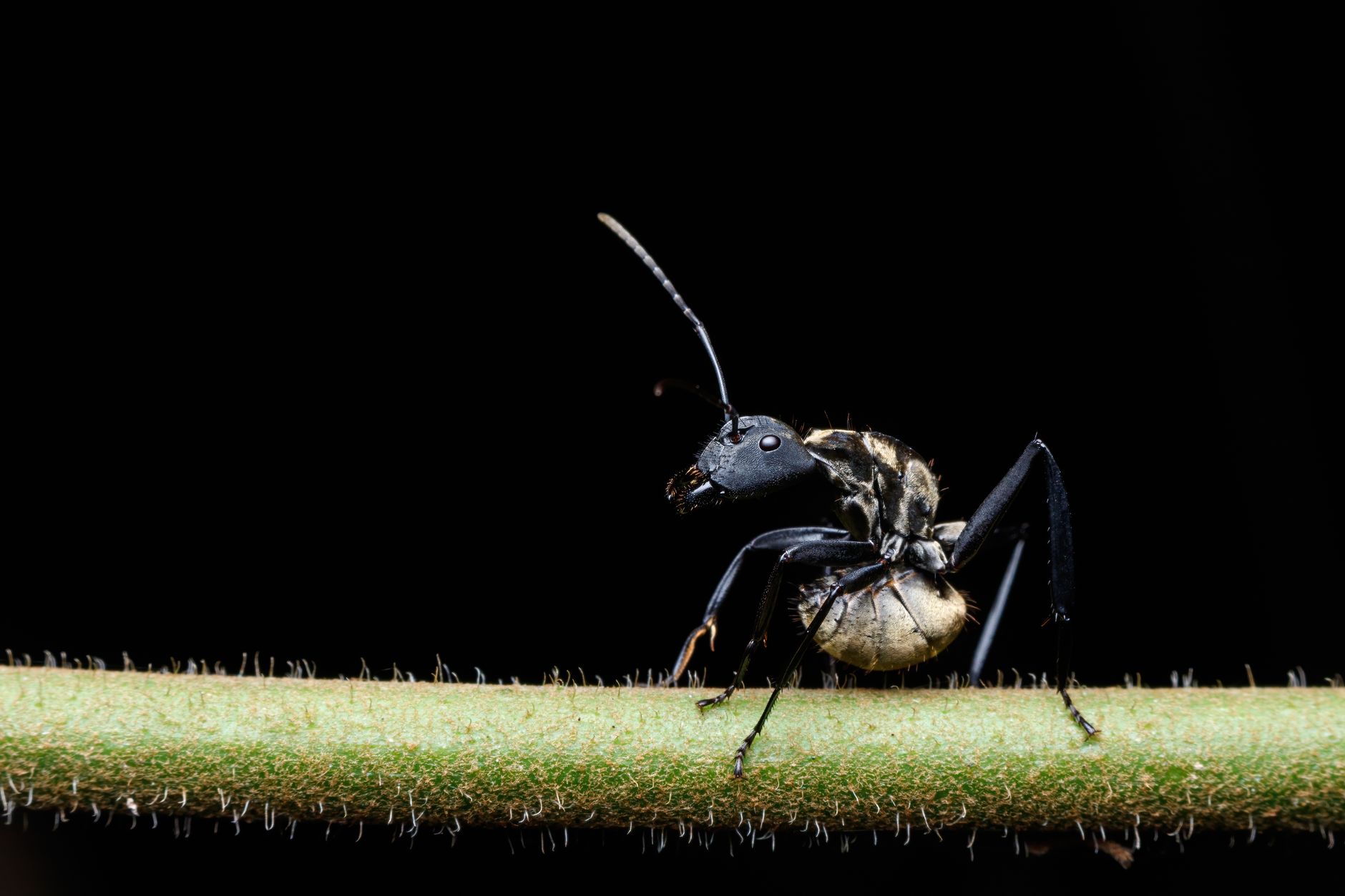
Carpenter ants are fascinating insects. They are known for their habit of tunneling through wood to create nests, which can sometimes lead to structural damage in homes. Unlike termites, they don't eat wood; they excavate it. These ants can be quite large, often measuring between 1/4 and 3/4 of an inch. Their colouring can vary, appearing in shades of black, red, brown, or a combination of these. You might notice them in damp or decaying wood, making wooden furniture, door frames, or even structural beams potential nesting sites.
Distinguishing Carpenter Ants from Other Insects
It's easy to confuse different types of ants or even other wood-damaging insects. Here's how to tell them apart:
- Carpenter Ants: Look for their distinct size and colour. They have a narrow waist and elbowed antennae. If they have wings, the front pair is larger than the back pair. You might see wood shavings or 'sawdust' near small holes (about 1/8 inch) in wooden structures.
- Fire Ants: These are usually smaller (1/4 inch or less) and reddish-brown. They are known for their aggressive nature and painful stings, which often form a pimple-like bump. They build raised mounds of earth, commonly found in the southern parts of India.
- Termites: While they also damage wood, termites actually eat it. They have straight antennae and wings of equal size. Termites can cause rapid structural damage.
Identifying the correct insect is the first step in addressing any potential problem, whether it's a bite or structural concern.
Do Carpenter Ants Bite Humans?
Yes, carpenter ants can bite, but it's not something they do frequently. They generally prefer to avoid contact with humans. A bite usually occurs only when they feel threatened or are defending their colony. Think of it as a last resort for them.
Real-life scenario: Imagine you're cleaning out an old wooden cupboard in your home and disturb a hidden carpenter ant nest. One of the larger ants might scurry out and, feeling cornered, bite your hand. It's an instinctual defence mechanism.
What Does a Carpenter Ant Bite Feel Like?
Carpenter ant bites are typically minor and not considered dangerous to human health. Unlike the intense pain of a fire ant sting, a carpenter ant bite is usually described as a brief burning sensation. It's not a distinct, severe bite mark like you might see from some other insects.
Symptoms of a Carpenter Ant Bite:
- A slight burning sensation at the bite site.
- Possible mild redness of the skin.
- The sensation is temporary and should subside relatively quickly.
The bite itself doesn't usually leave a prominent mark. It’s more of a fleeting irritation.
Are Carpenter Ant Bites Harmful?
For the vast majority of people, carpenter ant bites are not harmful. They do not transmit diseases or cause significant allergic reactions. The primary concern with carpenter ants is their potential to damage wooden structures in your home. Their tunnelling can weaken beams, floors, and walls over time, especially in areas with high humidity or existing wood decay.
What to Do If You Are Bitten by a Carpenter Ant
Since carpenter ant bites are minor, extensive treatment is usually unnecessary. Here’s what you can do:
- Clean the Area: Gently wash the bite site with mild soap and water. This helps to prevent any secondary infection, however unlikely.
- Cool Compress: If there's any mild discomfort or redness, apply a cool, damp cloth to the area. This can help soothe the skin.
- Observe: Keep an eye on the bite site for a short while. The symptoms should disappear on their own within a few hours.
What NOT to Do: Avoid scratching the bite, as this can irritate the skin further or lead to a secondary infection.
When to Consult a Doctor
While carpenter ant bites are generally harmless, it's wise to seek medical advice if you experience any unusual or severe reactions. This is especially important if you're unsure what bit you, as other insects or spiders can cause more serious reactions.
Consult a doctor if you notice:
- Signs of infection, such as increasing redness, swelling, warmth, or pus.
- A prolonged or unusually severe burning sensation or pain.
- Fever or chills.
- Swelling that spreads beyond the immediate bite area.
- Any signs of an allergic reaction, such as hives, difficulty breathing, or dizziness.
These symptoms could indicate that you were bitten by something more harmful, or that you've developed an infection or an allergic response.
Preventing Carpenter Ant Bites and Infestations
The best approach is prevention. By taking steps to manage carpenter ant populations around your home, you reduce the chances of encountering them and being bitten.
- Address Moisture Issues: Carpenter ants are attracted to damp wood. Fix leaky pipes, roofs, and ensure good ventilation in basements and bathrooms.
- Remove Wood Sources: Keep firewood, lumber, and wooden debris away from your home's foundation.
- Seal Entry Points: Inspect your home's exterior and seal any cracks or openings in the foundation, walls, and around windows and doors.
- Regular Inspections: Periodically check wooden structures, especially those in damp areas, for signs of ant activity like sawdust or tunnels.
- Professional Help: If you suspect a carpenter ant infestation, contact a pest control professional. They can identify the colony and recommend safe and effective removal methods.
Frequently Asked Questions (FAQs)
Q1: Are carpenter ants aggressive?
No, carpenter ants are not typically aggressive towards humans. They usually bite only in self-defense when they feel threatened or disturbed.
Q2: Can carpenter ants damage my house?
Yes, carpenter ants can cause structural damage by tunnelling through wood to build their nests. This is their primary impact on homes, not their bites.
Q3: What's the difference between a carpenter ant and a termite?
Carpenter ants tunnel through wood but don't eat it, whereas termites eat wood. Carpenter ants have elbowed antennae and a narrow waist, while termites have straight antennae and a broader waist. Winged carpenter ants have front wings larger than their hind wings; termites have wings of equal size.
Q4: Should I be worried about carpenter ants in my garden?
Carpenter ants play a role in the ecosystem, often breaking down dead wood. However, if they are establishing nests in or near your home's wooden structures, it's advisable to take preventative measures or seek professional pest control.
Q5: What if I'm allergic to ant bites?
If you have a known allergy to insect bites or stings, or if you experience symptoms of a severe reaction after any ant bite, seek immediate medical attention. It's always best to err on the side of caution.
Understanding carpenter ants and their behaviour can help you manage any encounters effectively. While their bites are usually a minor concern, their potential to damage your home warrants attention. By taking preventative measures and knowing when to seek professional help, you can keep your home safe and comfortable.