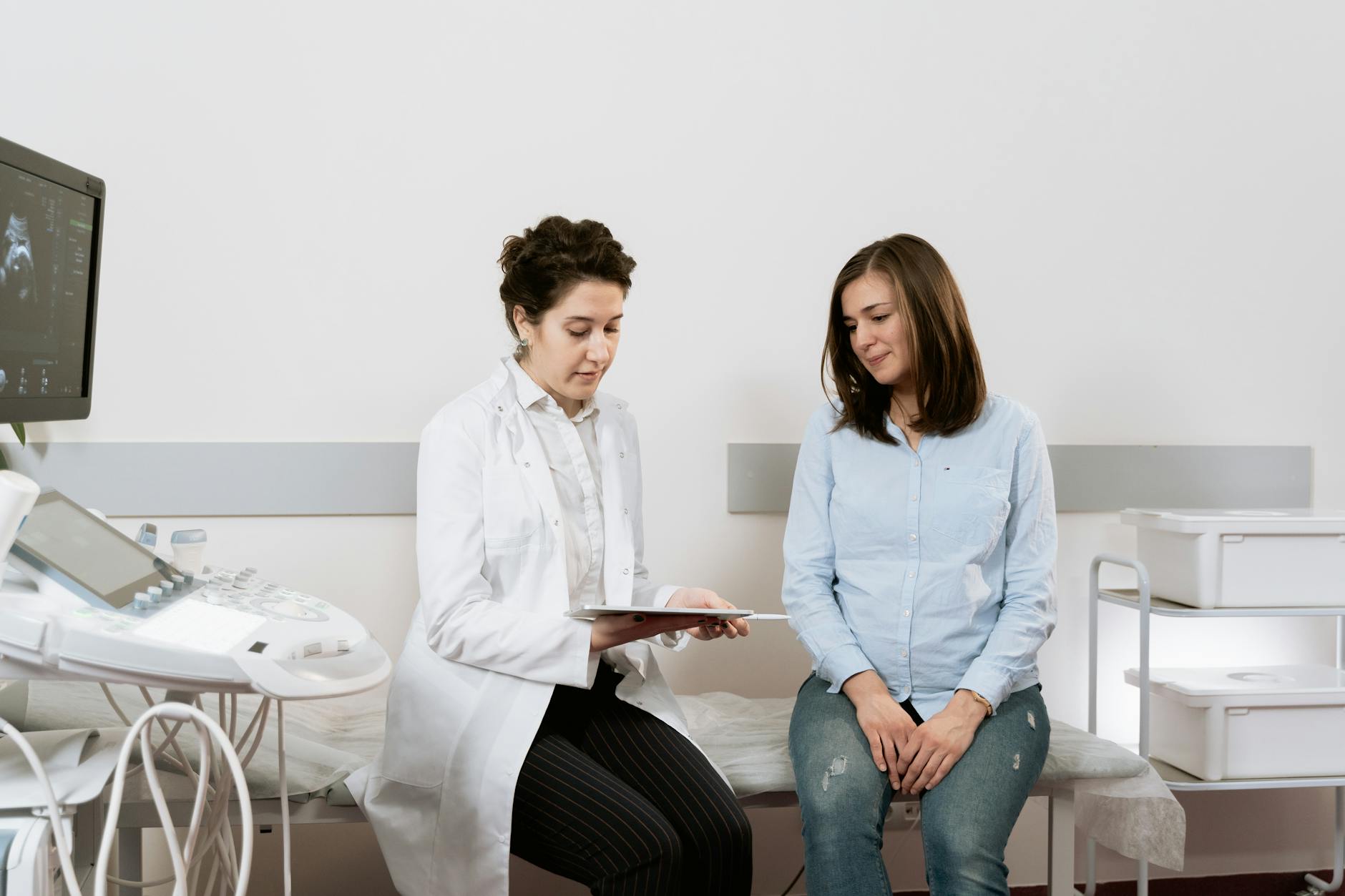
Understanding Chlamydia During Pregnancy Chlamydia is a common sexually transmitted infection (STI) caused by the bacterium Chlamydia trachomatis . While it can affect anyone, it's crucial for pregnant individuals to understand the potential risks, symptoms, and treatment options if they contract this infection. Fortunately, chlamydia is easily detectable and treatable, and prompt medical attention can significantly reduce complications for both the mother and the baby. What is Chlamydia? Chlamydia is an STI that is typically transmitted through vaginal, anal, or oral sex. It's important to note that a person can have chlamydia without showing any symptoms, making regular testing even more vital, especially during pregnancy. Symptoms of Chlamydia During Pregnancy One of the most significant challenges with chlamydia is that it often presents no symptoms. This is true for pregnant individuals as well. However, when symptoms do appear, they can include: Pain or bleeding during or after sexual intercourse. Itching or a burning sensation during urination. Unusual vaginal discharge. Given the many physiological changes occurring during pregnancy, it can be difficult for a pregnant person to recognize these symptoms as indicative of chlamydia without specific testing. This underscores the importance of routine screening. Risks and Causes of Chlamydia During Pregnancy Chlamydia is primarily contracted through sexual contact with an infected partner. During pregnancy, the risk factors remain the same: Having a new sexual partner during pregnancy. Having a sexual partner who has other sexual partners. It is essential to have open conversations with your partner about sexual health and consider getting tested together. Using barrier methods like latex condoms can help reduce the risk of transmission, although they do not offer complete protection against STIs. Complications of Untreated Chlamydia During Pregnancy If left untreated, chlamydia during pregnancy can lead to serious complications: Preterm Labor: Chlamydia infections have been associated with an increased risk of delivering the baby before 37 weeks of pregnancy. Premature Rupture of Membranes (PROM): The amniotic sac can rupture prematurely, leading to early labor and increased risk of infection. Low Birth Weight: Babies born to mothers with untreated chlamydia may have a lower birth weight. Infection Transmission to the Newborn: This is a significant concern. During childbirth, the infection can be passed to the baby, potentially causing: Conjunctivitis (Eye Infection): Approximately up to 40% of newborns can develop chlamydial conjunctivitis, which can lead to vision problems if not treated. Pneumonia (Lung Infection): Between 10% and 20% of newborns may develop pneumonia, a serious lung infection. These complications highlight why early detection and treatment are paramount. Diagnosis of Chlamydia During Pregnancy Diagnosing chlamydia during pregnancy is straightforward and is a routine part of prenatal care. The American College of Obstetricians and Gynecologists (ACOG) recommends chlamydia testing during the first trimester of pregnancy. Some individuals may require repeat testing in the third trimester. The Diagnostic Process: Screening: Your healthcare provider will typically order STI testing as part of your initial prenatal appointments. You can also request a chlamydia test at any point during your pregnancy if you have concerns. Sample Collection: A sample, usually a urine sample or a swab from the cervix, will be collected. Laboratory Testing: The sample is sent to a laboratory for testing to detect the presence of chlamydia bacteria. Results typically take 2-5 business days. It's important to be open with your doctor about your sexual history and any potential risks. Treatment for Chlamydia During Pregnancy The good news is that chlamydia is highly treatable with antibiotics. The primary goal of treatment during pregnancy is to eliminate the infection and prevent transmission to the baby. Treatment Protocol: Antibiotics: Your doctor will prescribe safe and effective antibiotics that can be taken during pregnancy. It is crucial to complete the entire course of antibiotics as prescribed, even if you start feeling better. Partner Treatment: It is essential that your sexual partner(s) also get tested and treated for chlamydia to prevent reinfection and further spread of the STI. Test of Cure: Your clinician will likely ask you to return for a follow-up test, often called a "test of cure," about 3-4 weeks after completing the antibiotic course. This is to ensure the infection has been completely cleared. Prompt treatment not only protects your health but also significantly reduces the risk of complications for your baby. Preventing Chlamydia During Pregnancy Prevention is key to avoiding STIs. While no method is 100% foolproof, the following measures can significantly reduce your risk: Abstinence: The only way to completely avoid STIs is to abstain from sexual activity. Mutual Monogamy: Being in a long-term, mutually monogamous relationship with a partner who has been tested and is known to be infection-free. Consistent and Correct Condom Use: Using latex condoms or other barrier methods correctly and consistently during every sexual encounter can reduce the risk of transmission. Remember that barrier methods made of porous materials do not protect against STIs. Regular Testing: Get tested regularly for STIs, especially if you have new or multiple sexual partners. Encourage your partner to do the same. Open Communication: Talk openly with your partner about sexual health and STI status. When to Consult a Doctor It is crucial to consult a doctor immediately if: You suspect you might have chlamydia. You have had unprotected sex with a partner whose STI status is unknown. You experience any symptoms such as unusual discharge, pain during intercourse, or burning during urination. You are pregnant and have not yet been screened for
In summary, timely diagnosis, evidence-based treatment, and prevention-focused care improve long-term health outcomes.