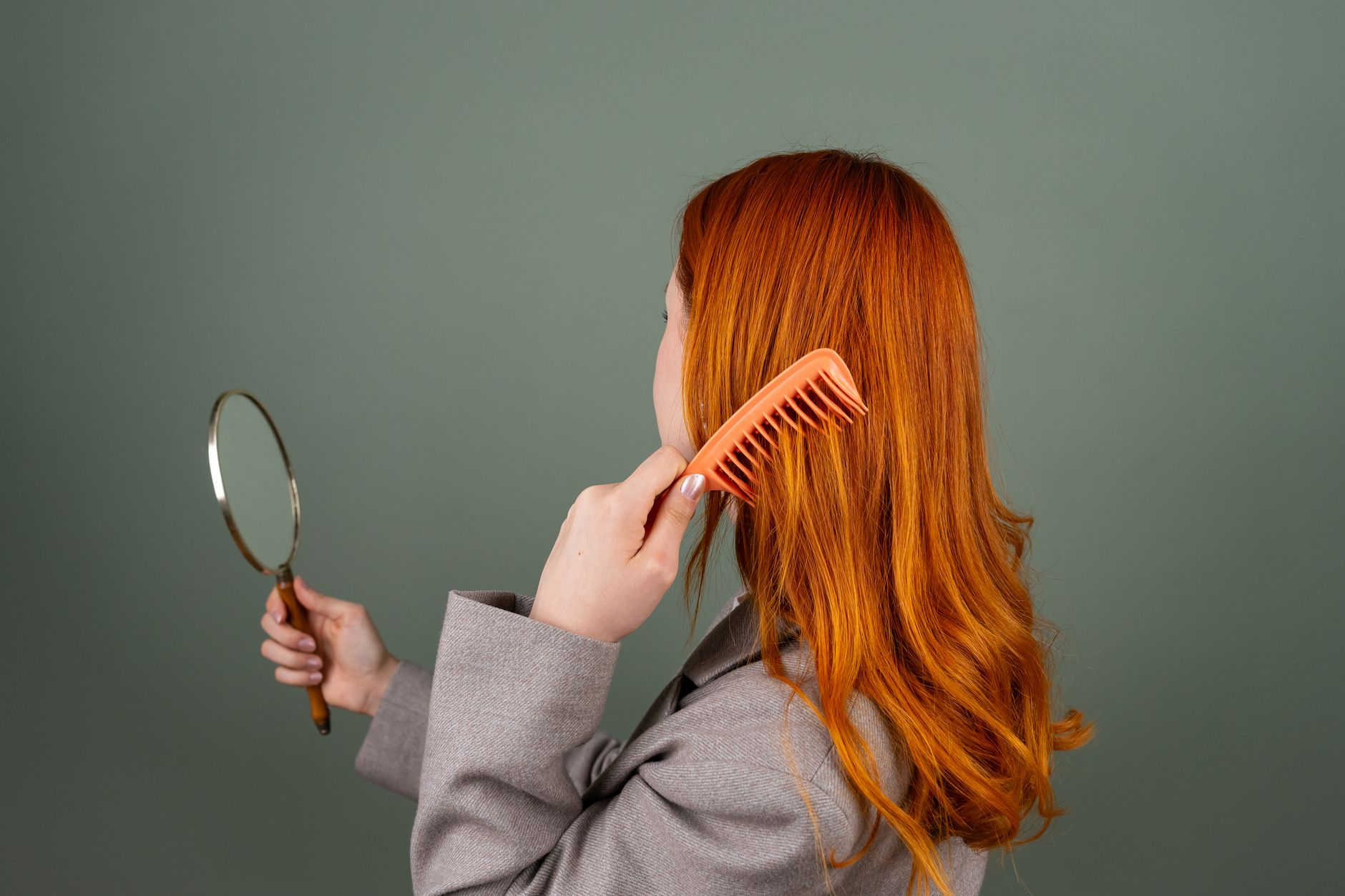
The COVID-19 pandemic has brought about many changes and concerns, and for some, hair loss has become an unexpected consequence. While the primary focus has been on respiratory symptoms and long-term fatigue, reports of hair loss during or after a COVID-19 infection are becoming more common. This has left many wondering about the connection, the potential causes, and what can be done about it. Let's explore what we know about hair loss and coronavirus.
Understanding the Link Between COVID-19 and Hair Loss
The virus that causes COVID-19, SARS-CoV-2, can trigger a wide range of symptoms. While fever, cough, and fatigue are well-known, hair loss is emerging as a potential long-term effect that is currently under investigation by health authorities like the CDC. Although the exact frequency of hair loss in the general population after COVID-19 is still being studied, several case studies have highlighted this issue. One study involving 63 participants found that about 24% reported hair loss after recovering from COVID-19. For many, this hair loss became noticeable around 2 months after their initial symptoms appeared.
The type of hair loss observed following COVID-19 often aligns with a condition called telogen effluvium (TE). This is a temporary form of hair loss that occurs when a significant stressor causes a large number of hair follicles to enter the resting phase (telogen) prematurely. Typically, this shedding happens a few months after the stressful event, and the hair loss can be quite noticeable, often seen in clumps while brushing or showering. While TE usually affects less than half of the scalp and resolves within 6 to 9 months, with hair regrowth following, the experience can be distressing.
Why does COVID-19 trigger telogen effluvium? A high fever, a common symptom of COVID-19, is a known trigger for TE. The body's response to a severe illness like COVID-19 can push a significant portion of the hair cycle into the resting phase. When the body starts to recover, these resting hairs are shed. In some cases, the shedding is so pronounced that it leads to visible thinning or bald patches.
What is Telogen Effluvium (TE)?
Telogen effluvium is a condition characterized by a sudden and widespread shedding of hair. It's not a permanent condition for most people, but it can be alarming. Here's a breakdown:
- Trigger: TE is usually triggered by a significant physical or emotional stressor. This could be a serious illness (like COVID-19), surgery, childbirth, extreme weight loss, or intense emotional distress.
- Timing: The hair loss typically appears about 2 to 3 months after the triggering event.
- Appearance: You might notice more hair than usual on your brush, in the shower drain, or on your pillow. The shedding is often diffuse, meaning it happens all over the scalp, leading to overall thinning rather than distinct bald spots.
- Duration: TE usually lasts for about 3 to 6 months.
- Recovery: In most cases, the hair begins to regrow on its own after the shedding phase subsides.
Beyond COVID-19: Other Common Causes of Hair Loss
While COVID-19 is a recent and concerning trigger, it's important to remember that hair loss can stem from various causes. Understanding these can help in identifying the root of the problem.
Androgenic Alopecia (Pattern Baldness)
This is the most common cause of hair loss worldwide, affecting both men and women. It's hereditary and characterized by a gradual thinning of hair over time, following predictable patterns. For men, it often starts with a receding hairline, while for women, it typically involves thinning at the crown of the head.
Hormonal Changes
Fluctuations in hormones can significantly impact hair growth. This includes changes during pregnancy, menopause, or conditions affecting the thyroid gland (like hypothyroidism or hyperthyroidism).
Nutritional Deficiencies
Lack of essential nutrients, particularly iron, can lead to hair loss. A balanced diet is vital for healthy hair follicles.
Medical Conditions
Certain autoimmune conditions, such as alopecia areata (where the immune system attacks hair follicles), or infections like scalp ringworm, can cause hair loss.
Medications and Treatments
Some medications, including those for cancer (chemotherapy), depression, and high blood pressure, can have hair loss as a side effect.
Hair Care Practices
Harsh styling, tight hairstyles that pull on the hair (traction alopecia), and excessive use of heat or chemicals can damage hair and lead to breakage and loss.
When Hair Loss Might Signal a Deeper Issue
While temporary hair loss after an illness is often manageable, persistent or sudden, severe hair loss could indicate an underlying health problem that needs medical attention. It's particularly important to consult a doctor if:
- The hair loss is sudden and occurs in patches.
- You experience scalp itching, pain, or redness along with hair loss.
- You notice significant thinning or baldness rapidly.
- Hair loss is accompanied by other concerning symptoms like extreme fatigue, weight changes, or changes in your menstrual cycle.
Diagnosing the Cause of Your Hair Loss
If you're experiencing concerning hair loss, a doctor can help determine the cause. The diagnostic process typically involves:
Medical History Review
Your doctor will ask detailed questions about your health, including:
- Your family history of hair loss.
- Any existing medical conditions (e.g., thyroid problems, autoimmune diseases).
- Current medications and supplements you are taking.
- Your diet and recent changes.
- Your hair care routine and styling habits.
- Recent illnesses or significant life stressors.
Physical Examination
A thorough examination of your scalp and hair is performed. This might include a hair pull test, where the doctor gently tugs on several dozen hairs to assess how many come out easily. This helps gauge the severity of the shedding.
Microscopic Hair Examination
In some cases, a sample of your hair might be examined under a microscope to check for abnormalities in the hair shaft or follicle.
Blood Tests
Blood tests are often ordered to check for underlying issues like nutritional deficiencies (e.g., iron, vitamin D), hormonal imbalances (thyroid function), or signs of autoimmune conditions.
Managing and Treating Hair Loss
The approach to treating hair loss depends heavily on its underlying cause.
For Telogen Effluvium (Post-COVID or Stress-Related)
The good news is that TE is usually temporary. The primary treatment is supportive care and patience:
- Address the Stressor: Once the triggering event (like COVID-19) is resolved, and the body recovers, hair growth typically resumes.
- Nutritional Support: Ensure a balanced diet rich in protein, vitamins, and minerals essential for hair health. Your doctor might recommend supplements if deficiencies are identified.
- Gentle Hair Care: Avoid harsh treatments, tight hairstyles, and excessive heat styling during the recovery period.
For Other Causes
Treatment varies:
- Androgenic Alopecia: Medications like minoxidil and finasteride are available, as are hair transplant procedures.
- Hormonal Imbalances: Treating the underlying condition (e.g., thyroid medication) can help restore hair growth.
- Nutritional Deficiencies: Supplementation under medical guidance can correct deficiencies.
- Scalp Infections: Antifungal medications are used to treat conditions like ringworm.
Preventing Hair Loss: What Can You Do?
While not all hair loss is preventable (especially hereditary types), you can take steps to maintain hair health and potentially reduce the risk of certain types of hair loss:
- Eat a Balanced Diet: Focus on whole foods, lean proteins, fruits, vegetables, and healthy fats. Ensure adequate intake of iron, zinc, biotin, and other B vitamins.
- Manage Stress: Practice stress-reducing techniques like yoga, meditation, deep breathing exercises, or engaging in hobbies you enjoy.
- Gentle Hair Care: Avoid tight hairstyles that pull on your scalp. Use mild shampoos and conditioners. Limit heat styling and chemical treatments.
- Protect Your Scalp: Shield your scalp from excessive sun exposure.
- Stay Hydrated: Drink plenty of water throughout the day.
When to Consult a Doctor
Experiencing some hair shedding after an illness like COVID-19 is not uncommon. However, if your hair loss is severe, persistent, or accompanied by other symptoms, it's essential to seek professional medical advice. Your doctor can accurately diagnose the cause and recommend the most effective treatment plan for you. Don't hesitate to reach out if you're concerned about your hair health.
F.A.Q. Section
Will my hair grow back after COVID-19 related hair loss?
For most people experiencing telogen effluvium due to COVID-19, the hair loss is temporary. Hair typically starts to regrow within 6 to 9 months after the shedding phase ends. However, the timeline can vary.
Can stress from COVID-19 cause hair loss?
Yes, the significant physical and emotional stress associated with a serious illness like COVID-19 is a known trigger for telogen effluvium, a common type of hair loss.
Are there any specific treatments for COVID-19 hair loss?
There isn't a specific medication solely for COVID-19-related hair loss. Treatment focuses on managing the underlying cause (recovery from illness, stress reduction) and supportive care, ensuring good nutrition and gentle hair practices. Your doctor might suggest treatments if other causes are identified.