Diarrhea, oh dear! It's that unwelcome guest that disrupts our lives, leaving us feeling drained and, frankly, quite uncomfortable. While the digestive distress is bad enough, the aftermath can be just as unpleasant. We're talking about that persistent, irritating soreness around your bottom, especially after frequent trips to the loo. For our little ones, this can manifest as a full-blown diaper rash, turning their delicate skin angry red. But fear not! This guide is here to offer practical, soothing advice for both adults and babies battling a sore bum due to diarrhea. We'll explore gentle remedies, preventative measures, and when it's time to seek professional help.
Why Does Diarrhea Cause a Sore Bottom?
You might wonder how watery stools can lead to such discomfort. It's a combination of factors:
- Frequent Wiping: When diarrhea strikes, we tend to wipe ourselves much more often than usual. This repetitive friction, even with soft toilet paper, can irritate and abrade the delicate skin around the anus.
- Irritating Stool: The stool itself, especially if it's very acidic or contains certain digestive enzymes, can irritate the skin on contact.
- Moisture: Prolonged exposure to moisture from frequent bowel movements can break down the skin's natural protective barrier, making it more susceptible to irritation and infection.
- Babies' Sensitive Skin: Little ones have incredibly tender skin that's far more prone to irritation. Diapers, while essential, can trap moisture and stool against this sensitive skin, creating a perfect storm for diaper rash.
Soothing Soreness for Adults
If you're an adult experiencing discomfort, relief is often within reach. The goal is to gently cleanse, protect, and calm the inflamed skin.
Gentle Cleansing is Key
Forget harsh scrubbing! Your skin is already stressed.
- Switch Your Wipes: Opt for ultra-soft, unscented, and hypoallergenic toilet paper. Better yet, consider using gentle, fragrance-free, and alcohol-free wet wipes designed for sensitive skin. Some even contain soothing ingredients like aloe vera or witch hazel, which can provide additional comfort.
- Consider a Bidet: If you have access to a bidet, now is the time to use it! A gentle stream of water can clean the area effectively without any friction, significantly reducing irritation.
- Pat, Don't Rub: After cleaning, gently pat the area dry with a soft towel. Avoid rubbing, as this will only worsen the irritation.
Baths for Comfort
A warm bath can be incredibly soothing. Think of it as a spa treatment for your sore posterior!
- Warm Water Soaks: Soak in a warm (never hot!) bath for about 10 to 20 minutes, a few times a day. This can help calm inflammation and reduce pain.
- Additives for Extra Relief: For an enhanced soothing effect, you can add 1/2 cup of baking soda or 1/4 cup of Epsom salts to about 5 inches of water in your bathtub. This creates a gentle, therapeutic bath. This is similar to a 'sitz bath' recommended for conditions like hemorrhoids.
Creating a Protective Barrier
Once the area is clean and dry, applying a protective barrier can shield the skin and promote healing.
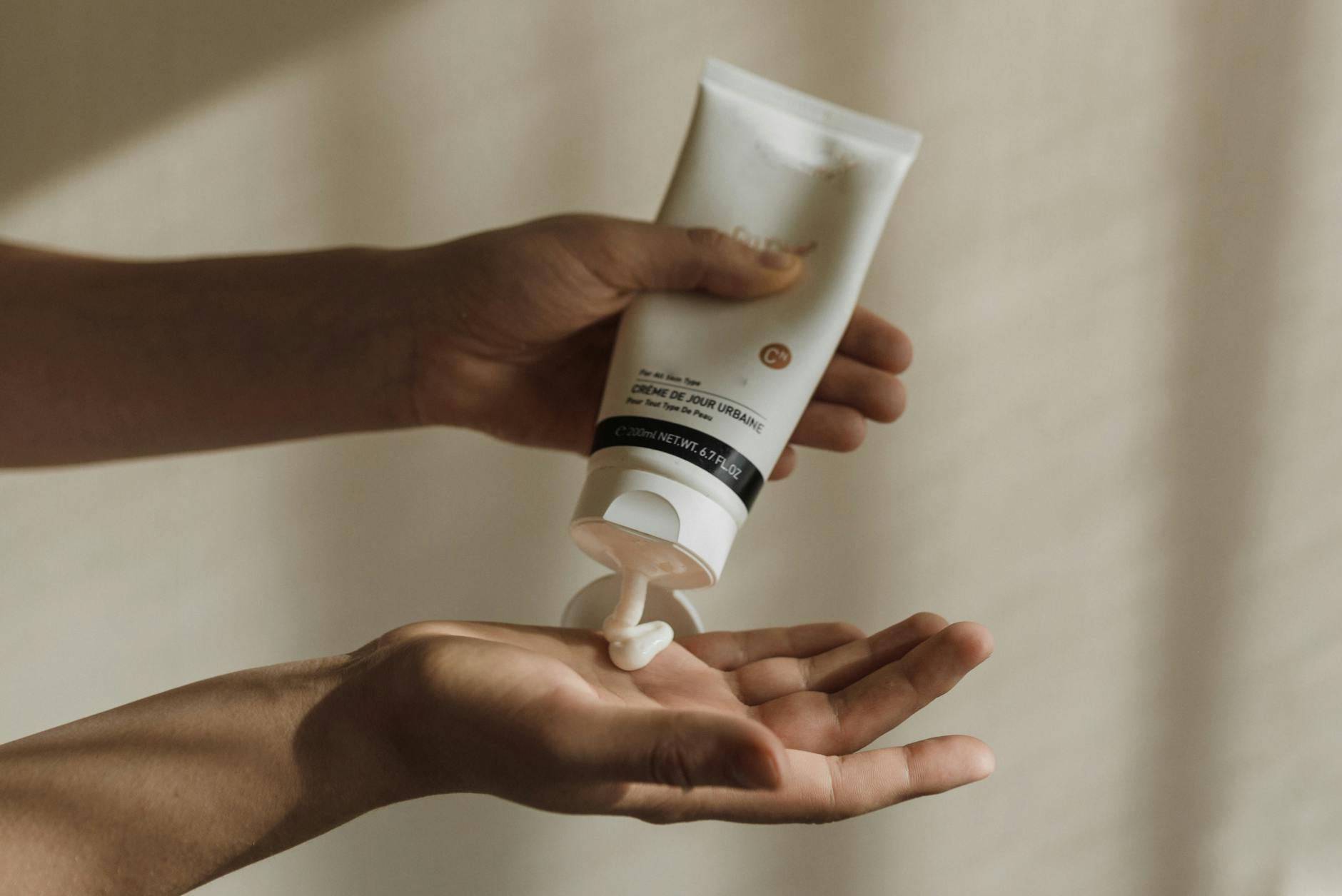
- Ointments and Creams: Apply a thin layer of a barrier ointment like Vaseline (petroleum jelly) or a cream containing zinc oxide. These create a protective shield, preventing stool from irritating the skin further and reducing redness. Apply this after cleaning yourself post-bowel movement.
- Other Soothing Ingredients: Creams with ingredients like castor oil or those specifically formulated for diaper rash or hemorrhoid relief might also offer comfort.
Lifestyle Adjustments
Small changes can make a big difference:
- Clothing Choices: Wear loose-fitting cotton underwear and avoid tight pants or leggings. Cotton allows your skin to breathe and reduces friction, while loose clothing prevents chafing.
- Avoid Prolonged Sitting: If possible, try to get up and move around every 20 to 30 minutes. Prolonged pressure on the sore area can increase discomfort and trap moisture. Consider using a cushion, like a donut-shaped pillow, for added comfort if sitting is unavoidable.
Caring for a Baby's Sore Bottom
Babies are especially vulnerable to diaper rash caused by diarrhea. Their skin is delicate, and the constant presence of a wet diaper can exacerbate the problem.
Frequent Diaper Changes are Non-Negotiable
This is the absolute cornerstone of treating and preventing diaper rash:
- Change your baby's diaper immediately after they have a bowel movement, or even a very wet urine diaper. Don't let them sit in a soiled diaper for even a moment longer than necessary.
- Use gentle, fragrance-free, and alcohol-free wipes. If your baby's skin is very irritated, consider using a soft, damp cloth instead of wipes.
- After cleaning, gently pat the area dry with a clean, soft towel or a soft cotton cloth. Again, no rubbing!
Generous Diaper Cream Application
Think of diaper cream as your baby's superhero shield:
- Apply a thick layer of a good quality diaper rash cream containing zinc oxide or petroleum jelly with every diaper change. This creates a robust barrier against moisture and irritants. Don't be shy – a thick coating is best!
- Some creams are specifically designed for severe diaper rash and can be very effective.
Air Time!
Letting your baby's skin breathe is vital:
- Whenever possible, give your baby some diaper-free time. Lay them on a waterproof mat or an old towel and let their bottom air out for 10-15 minutes several times a day. This helps the skin dry out and heal.
Soothing Baths for Little Ones
Similar to adults, warm baths can help:
- Give your baby a short, warm bath (again, not hot!) a couple of times a day. You can add a tablespoon or two of baking soda to the water for extra soothing.
- Ensure you dry them thoroughly by patting gently after the bath.
When to Consult a Doctor
While home remedies can work wonders for mild irritation, there are times when professional medical advice is essential. Don't hesitate to contact your doctor or pediatrician if:
- For Adults:
- The soreness is severe and doesn't improve with home care after a few days.
- You notice signs of infection, such as increased redness, swelling, pus, or fever.
- The diarrhea is persistent, bloody, or accompanied by severe abdominal pain.
- You suspect hemorrhoids are contributing to the pain.
- For Babies:
- The rash looks like blisters, sores, or has pus.
- The rash doesn't start improving within 2-3 days of diligent home care.
- Your baby develops a fever.
- Your baby is unusually irritable or seems unwell.
- Your baby has more than 10 watery stools in a 24-hour period, especially if they also seem unwell or dehydrated.
- You notice signs of dehydration in your baby (e.g., fewer wet diapers than usual, crying without tears, sunken eyes, lethargy).
A doctor can diagnose the underlying cause of the diarrhea and the skin irritation, and prescribe appropriate treatments, which might include stronger creams or medications.
Preventing Future Soreness
Prevention is always better than cure! Here's how to minimize the risk:
- Stay Hydrated: Drink plenty of fluids, especially if you have diarrhea. This helps keep stools softer and reduces irritation.
- Eat Gentle Foods: During and after diarrhea, stick to bland, easy-to-digest foods like bananas, rice, applesauce, and toast (BRAT diet), and avoid spicy, greasy, or highly processed foods.
- Practice Good Hygiene: Wash your hands thoroughly after using the toilet and before preparing food.
- For Babies: Prompt diaper changes are key. Consider using a barrier cream preventatively, especially if your baby has sensitive skin or is prone to rashes.
Frequently Asked Questions (FAQ)
Q1: Can I use regular lotion on a sore bum?
A: It's best to avoid regular lotions, especially those with fragrances or alcohol, as they can further irritate sensitive skin. Stick to barrier creams like Vaseline or those containing zinc oxide.
Q2: How long does it typically take for a sore bum from diarrhea to heal?
A: With consistent care, mild irritation usually starts to improve within a couple of days. More severe cases might take a week or longer. If it's not improving, it's time to see a doctor.
Q3: Is it safe to use baby diaper rash cream on adults?
A: Yes, most adult diaper rash creams are very similar to baby versions and are safe to use. They contain ingredients like zinc oxide that are effective for soothing and protecting irritated skin in adults as well.
Q4: My baby has a rash that looks like bright red bumps. What should I do?
A: Bright red bumps, especially if they seem to be spreading or are accompanied by fever or fussiness, could indicate a yeast infection (candida). It's important to consult your pediatrician, as they may prescribe an antifungal cream.
Additional Medical Guidance
This section adds practical context and preventive advice to help readers make informed healthcare decisions. It is important to verify symptoms early, consult qualified doctors, and avoid self-medication for persistent health issues.
Maintaining healthy routines, following prescribed treatment plans, and attending regular checkups can improve outcomes. If symptoms worsen or red-flag signs appear, immediate medical evaluation is recommended.
Quick Checklist
Track symptoms and duration.
Follow diagnosis and treatment from a licensed practitioner.
Review medication side effects with your doctor.
Seek urgent care for severe warning signs.