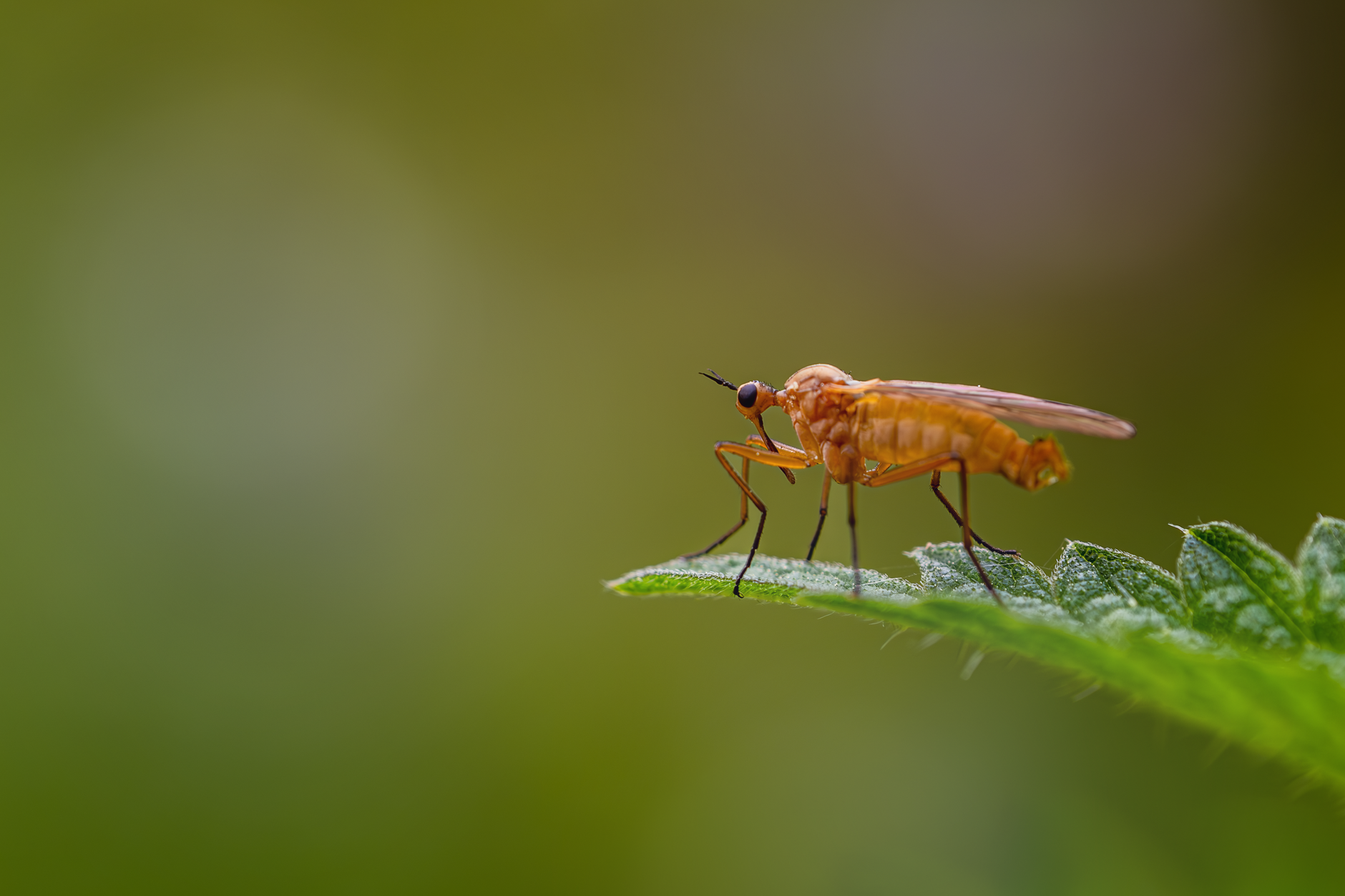
Understanding Gnat Bites: Tiny Pests, Big Irritation
Imagine enjoying a quiet evening on your balcony in Mumbai, or a picnic in a park in Delhi, only to be swarmed by tiny, almost invisible insects. These are gnats, and while they might be small, their bites can be incredibly irritating. Often confused with mosquitoes, gnats are minuscule, bloodsucking flies, some no bigger than a speck of dust. While not all gnats bite, certain species, particularly the females seeking a blood meal for egg production, can target humans. Their bites, though usually harmless, leave behind itchy, red bumps that can disrupt your day.
The science behind the itch is simple. When a gnat bites, it uses its unique, scissor-like mouthparts to make a tiny cut in your skin. To help the blood flow, it injects saliva containing anticoagulants. It's this saliva that triggers a minor allergic reaction in many people, leading to the characteristic itchy, red bumps.
What Do Gnat Bites Look and Feel Like?
Gnat bites often resemble mosquito bites, but they are typically smaller. The primary symptom is a small, red bump. You might notice:
- Small, red welts
- Intense itching
- Mild swelling around the bite
- A slight burning sensation
In some cases, the bite area might bleed a little where the gnat made its incision. For a few individuals, these bumps can even develop into small blisters filled with fluid. The reaction is your body's way of responding to the gnat's saliva.
Effective Home Remedies for Gnat Bite Relief
Most gnat bites don't require a doctor's visit and can be managed effectively at home. The goal is to soothe the itch, reduce swelling, and prevent infection. Here are five practical ways to manage these bites:
1. Gentle Cleaning and Cool Water
The first step after noticing a bite is to clean the area gently. Use mild soap and cool water. This helps to remove any remaining gnat saliva and soothes the irritated skin. After washing, pat the area dry carefully with a soft towel. Avoid rubbing, as this can further irritate the bite and make the itching worse.
2. The Power of Cold Compresses
A cold compress is excellent for reducing inflammation and easing that maddening itch. Apply a cold compress for at least 10 minutes at a time, repeating several times a day. You can use:
- An ice pack wrapped in a thin towel
- A bag of frozen vegetables (like peas) also wrapped in a cloth
- A clean, damp washcloth soaked in cold water
Important: Never apply ice directly to your skin, as this can cause frostbite. The cloth barrier is essential.
3. Soothing Topical Treatments
To combat the itch, consider over-the-counter (OTC) topical treatments:
- Hydrocortisone Cream: Apply a thin layer of 1% hydrocortisone cream to the affected area. This corticosteroid cream is effective in reducing redness, irritation, and itchiness.
- Calamine Lotion: This classic remedy is well-suited for minor skin irritations and provides a cooling sensation that helps relieve itching.
Always read the product instructions carefully before applying. These are readily available at your local pharmacy.
4. Oral Antihistamines
If the itching is widespread or particularly bothersome, oral antihistamines can offer significant relief. These medications work by counteracting the allergic reaction causing the itchiness and irritation. Look for non-drowsy formulas if you need to stay alert. Brands like Cetirizine or Loratadine are commonly available without a prescription. Follow the dosage instructions on the packaging precisely.
5. Elevate the Affected Limb
If the gnat bites are on your arms or legs, try to keep that limb elevated. Prop your leg up on pillows while sitting or lying down. This simple action helps to reduce swelling by encouraging blood to flow away from the affected area. It’s a passive way to aid your body’s recovery.
When to Seek Medical Advice
While most gnat bites are minor annoyances, there are situations where you should consult a healthcare professional. Seek medical attention if:
- Symptoms Worsen or Persist: If your symptoms become more severe or do not improve within two weeks, it's time to see a doctor.
- Signs of Infection: Look out for signs of a skin infection, such as increasing redness, warmth, pus, or a red streak extending from the bite area.
- Bites Near Sensitive Areas: Bites around the mouth or eyes require prompt medical evaluation due to the risk of more serious complications.
- Severe Allergic Reaction: Though rare, some individuals might experience a severe allergic reaction. Symptoms can include difficulty breathing, dizziness, swelling of the face or throat, or hives spreading beyond the bite area. Call emergency services (like 102 or 108 in India) immediately if you experience these symptoms.
Your doctor might prescribe stronger creams or ointments, or other treatments, depending on the severity of your reaction.
Preventing Gnat Bites: Staying Ahead of the Pests
Prevention is always better than cure. Here’s how you can reduce your chances of being bitten:
- Use Insect Repellent: Apply EPA-registered insect repellents containing DEET, picaridin, or oil of lemon eucalyptus when spending time outdoors, especially during dawn and dusk when gnats are most active.
- Wear Protective Clothing: Cover up with long sleeves, long pants, and socks when in gnat-prone areas. Light-coloured clothing can sometimes be less attractive to gnats.
- Avoid Peak Gnat Times: Try to limit outdoor activities during times when gnats are most prevalent, typically early morning and late evening.
- Manage Your Yard: Eliminate standing water around your home, as this is where gnats often breed. Keep your lawn trimmed and remove decaying organic matter.
- Install Screens: Ensure window and door screens are intact and free of holes to keep gnats out of your home.
A Real-Life Scenario
Ravi and his family were visiting a relative in a rural part of Kerala, enjoying the lush greenery. As dusk settled, tiny insects started hovering around them, and soon, everyone had itchy red bumps on their arms and legs. Ravi's daughter started scratching furiously, making the bites redder and more swollen. Remembering advice from a health article, Ravi gently washed everyone's bites with cool water, applied calamine lotion to the most irritated spots, and made sure they didn't scratch.
Frequently Asked Questions (FAQs)
Q1: Can gnat bites be dangerous?
A: For most people, gnat bites are just itchy and irritating but not dangerous. However, in rare cases, they can cause severe allergic reactions or secondary infections if scratched excessively. Always monitor for signs of infection or severe allergic response.
Q2: How long do gnat bites itch?
A: The itching typically lasts for a few days. With proper home treatment, the bumps and itching should subside within a week or two. If symptoms persist longer, consult a doctor.
Q3: Are gnat bites contagious?
A: No, gnat bites are not contagious. They are a direct reaction to the insect's bite and saliva.
Q4: What is the difference between a gnat bite and a mosquito bite?
A: Both are itchy red bumps caused by insect saliva. Gnat bites are generally smaller and may cause more localized irritation than mosquito bites, which can sometimes be larger and swell more extensively.