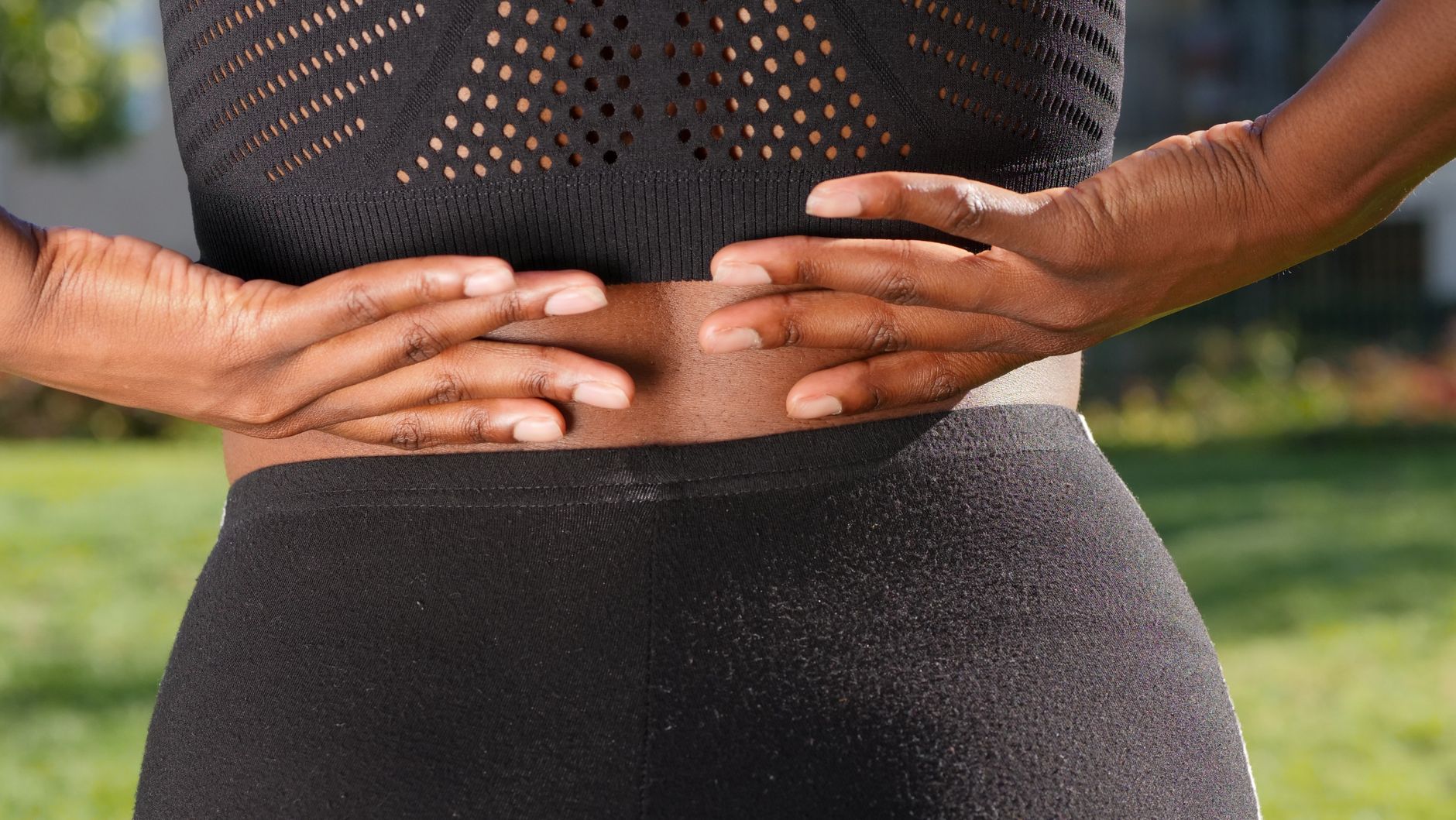
Urinary tract infections (UTIs) are a common and often uncomfortable ailment, especially for women. While the burning sensation during urination and the frequent urge to go are well-known symptoms, the cramping pain associated with UTIs can be particularly distressing. These cramps can manifest as a dull ache or sharp, intermittent pains in your lower abdomen or back, making daily life a challenge. Fortunately, understanding the causes and knowing effective relief strategies can significantly improve your experience. This guide aims to provide practical, actionable advice for managing UTI cramps, drawing from medical expertise and home-care wisdom tailored for an Indian audience.
What Exactly Causes UTI Cramps?
A urinary tract infection occurs when bacteria, most commonly from the anal region, find their way into the urinary tract. While anyone can get a UTI, they are significantly more prevalent in women due to their shorter urethra, which allows bacteria to reach the bladder more easily. The bladder is the most common site for these infections, leading to a condition known as cystitis. However, if left untreated, the infection can ascend to the kidneys, resulting in pyelonephritis, a more severe condition.
The cramping pain arises from the inflammation and irritation caused by the bacteria invading the lining of the urinary tract. Your body's immune response to fight the infection also contributes to this discomfort. Furthermore, the urine itself provides a fertile environment for these bacteria to multiply, exacerbating the problem and leading to persistent or worsening cramps. You might also experience a feeling of pressure or soreness in the affected area.
Recognising UTI Symptoms Beyond Cramps
While cramps are a significant indicator, a UTI often presents with a cluster of symptoms. Being aware of these can help you seek timely medical attention. Common signs include:
- A noticeable burning or stinging sensation when you urinate.
- A persistent feeling of needing to urinate, even when your bladder is empty (urinary urgency).
- Passing frequent, small amounts of urine.
- Cloudy or strong-smelling urine.
- A general feeling of being unwell or fatigued.
When the infection escalates to the kidneys (pyelonephritis), the symptoms become more severe and demand immediate medical intervention. These can include:
- Fever and chills
- Pain in your upper back or sides (flank pain)
- Nausea and vomiting
- Increased abdominal pain
If you experience any of these symptoms, especially those indicating a kidney infection, it is vital to consult a doctor without delay. Untreated kidney infections can lead to serious complications, including permanent kidney damage and, in rare but critical cases, sepsis – a life-threatening condition.
Practical Strategies for UTI Cramp Relief at Home
Once diagnosed with a UTI, your doctor will prescribe antibiotics, which are the primary treatment for clearing the bacterial infection. It's crucial to complete the entire course of antibiotics as prescribed, even if you start feeling better. Stopping early can lead to the infection returning or becoming resistant to medication.
While antibiotics work on the infection itself, you can employ several home remedies to soothe the associated cramps and discomfort:
- Use a Heating Pad: Applying a warm compress or a heating pad (on a low setting) to your lower abdomen or back can provide significant relief from muscle spasms and cramping. Ensure you don't apply it directly to the skin to avoid burns; use a cloth barrier.
- Stay Hydrated with Water: Drinking plenty of water is paramount. It helps dilute your urine, making it less irritating for your bladder, and crucially, it aids in flushing out the bacteria from your urinary tract. Aim for at least 8-10 glasses a day.
- Over-the-Counter (OTC) Pain Relievers: Medications like ibuprofen (e.g., Advil, Motrin) or naproxen (e.g., Aleve) can help reduce inflammation and ease pain. Acetaminophen (e.g., Tylenol) can also be effective for pain relief. Always follow the dosage instructions on the packaging and consult your pharmacist if you have any underlying health conditions or are taking other medications.
- Avoid Irritants: Steer clear of beverages that can irritate your bladder, such as caffeine (coffee, tea, cola), alcohol, and highly acidic fruit juices. These can worsen your symptoms.
- Cranberry Products (with caution): While research is mixed, some studies suggest that unsweetened cranberry juice or supplements might help prevent UTIs by making it harder for bacteria to adhere to the bladder wall. However, avoid sugary cranberry juice cocktails, as the sugar can be counterproductive. Discuss with your doctor before relying on this.
Real-life scenario: Priya, a 30-year-old software engineer, felt the familiar burning during urination and a nagging lower abdominal ache. She knew from past experience this could be a UTI. She immediately scheduled a telehealth appointment with her doctor, who confirmed it was likely a UTI and prescribed an antibiotic. While waiting for the prescription, Priya used a hot water bottle on her tummy and drank a large glass of water, finding some comfort from the initial cramping.
Preventing Future UTIs: Proactive Steps
Preventing UTIs is always better than treating them. Incorporating these simple habits into your daily routine can significantly reduce your risk:
- Urinate Promptly: Don't hold your urine for long periods. Empty your bladder completely whenever you feel the urge.
- Urinate After Sexual Activity: This is a critical step for women. Urinating soon after intercourse helps flush out any bacteria that may have entered the urethra during intimacy.
- Maintain Good Hygiene: For women, always wipe from front to back after using the toilet. This prevents bacteria from the anal area from spreading to the urethra.
- Stay Hydrated: As mentioned earlier, drinking plenty of water throughout the day is a powerful preventive measure.
- Consider Your Birth Control: Certain types of birth control, like diaphragms or spermicidal agents, can increase UTI risk. Discuss alternatives with your healthcare provider if you experience recurrent UTIs.
- Wear Breathable Underwear: Opt for cotton underwear and avoid tight-fitting clothing, as this can create a moist environment where bacteria thrive.
When to Seek Immediate Medical Help
While mild UTI symptoms can often be managed at home with prompt medical treatment, certain signs warrant urgent medical attention. You must see a doctor immediately if you experience:
- Symptoms of a kidney infection (fever, chills, back pain, nausea, vomiting).
- Severe abdominal pain that doesn't improve with home remedies.
- Blood in your urine.
- Inability to urinate.
It's also important to follow up with your doctor if your UTI symptoms, including cramps, do not improve significantly after completing your antibiotic course. This could indicate that the infection hasn't fully cleared or that another underlying condition might be causing your symptoms. Remember, abdominal pain and cramping can sometimes be linked to other health issues, such as sexually transmitted infections (STIs) or conditions affecting the reproductive organs, which require specific diagnosis and treatment.
Frequently Asked Questions (FAQ)
Q1: How quickly do UTI cramps usually subside after starting antibiotics?
Many people find that UTI symptoms, including cramps, begin to improve within 24 to 48 hours after starting antibiotics. However, it's essential to complete the full course to eradicate the infection completely.
Q2: Can drinking alcohol worsen UTI cramps?
Yes, alcohol can irritate the bladder and potentially worsen UTI symptoms, including cramps. It's advisable to avoid alcohol while you have a UTI and are undergoing treatment.
Q3: Are UTI cramps a sign of a kidney infection?
While UTIs can cause cramps in the lower abdomen or back, severe pain in the upper back or sides, accompanied by fever and chills, is more indicative of a kidney infection (pyelonephritis). If you experience these severe symptoms, seek medical help immediately.
Q4: Can I take hot baths for UTI cramps?
A warm bath can sometimes help relax muscles and ease cramping. However, avoid using harsh soaps or bath products that might irritate the urinary tract. A heating pad is often a safer and more targeted option.
Q5: How much water should I drink daily to prevent UTIs?
A general guideline is to aim for 8-10 glasses (about 2-2.5 litres) of water per day. This helps maintain good hydration and supports the flushing of bacteria from your urinary system.