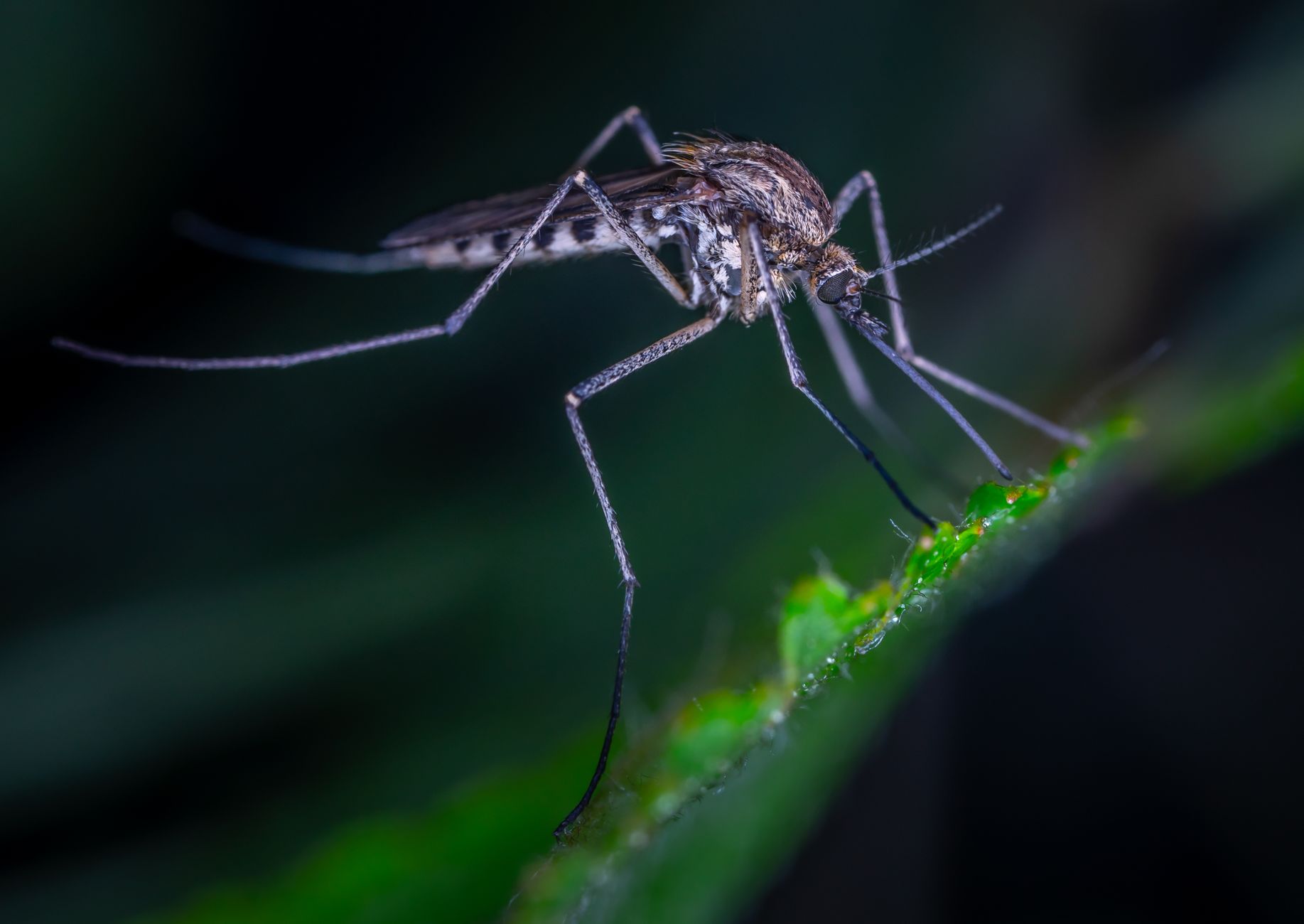
The buzz of a mosquito can send a shiver down anyone's spine, not just because of the annoying itch that follows, but because of the fear of diseases they might carry. For years, a persistent myth has circulated: can mosquitoes transmit HIV? Let's set the record straight. As a healthcare SEO editor focused on providing clear, reliable information for Indian readers, I want to assure you that mosquitoes absolutely cannot transmit HIV. This article will explain why, discuss the real dangers mosquitoes pose, and provide practical tips for protection.
Why Mosquitoes Don't Spread HIV: A Biological Explanation
It might seem plausible – a mosquito bites someone with HIV, then bites you. How could it not pass the virus along? The reality is far more complex and reassuring. Several biological factors make HIV transmission through mosquitoes impossible:
1. HIV Needs Specific Human Cells to Replicate
HIV (Human Immunodeficiency Virus) is a virus that specifically targets and infects human immune cells, particularly CD4 cells. It needs to latch onto special receptors found on these cells to enter and multiply. Mosquitoes, however, lack these specific receptors. When a mosquito ingests blood containing HIV, the virus cannot infect the mosquito's cells. Instead, it gets broken down and digested in the mosquito's stomach, much like any other food.
2. The Mosquito's Mouthparts Are Not Designed for Transmission
A mosquito's proboscis, the part it uses to bite, has two distinct tubes. One tube is for drawing blood from its host, and the other is for injecting saliva. This saliva contains an anticoagulant, which prevents blood from clotting, making it easier for the mosquito to feed. Crucially, the blood from a previous host does not get injected into a new host. Only the mosquito's saliva enters your body. Since HIV is not transmitted through saliva, even if a tiny amount of ingested blood were somehow present in the saliva (which is highly unlikely), it wouldn't lead to transmission.
3. Insufficient Viral Load
For HIV transmission to occur, a significant amount of the virus needs to enter the bloodstream. Even in the hypothetical and biologically impossible scenario where some virus survived digestion and entered a mosquito's saliva, the quantity would be far too small to cause an infection in a human. HIV transmission primarily occurs through direct contact with specific bodily fluids from an infected person, such as semen, pre-seminal fluid, rectal fluids, vaginal fluids, and breast milk, usually via unprotected sexual contact or sharing needles.
Think of it this way: a mosquito is more like a tiny, accidental syringe that only injects its own saliva. It doesn't act as a direct conduit for blood from one person to another. The virus simply can't survive or replicate within the mosquito to be passed on.
The Real Dangers: Diseases Mosquitoes DO Transmit
While HIV is not a concern from mosquito bites, it's vital to remember that mosquitoes are indeed vectors for serious diseases. They are considered one of the deadliest animals on Earth due to the diseases they spread globally. The types of diseases transmitted depend heavily on the mosquito species and the geographic location. In India and other tropical regions, mosquitoes can transmit several dangerous illnesses:
Common Mosquito-Borne Diseases in India:
- Dengue Fever: Characterized by high fever, severe headache, pain behind the eyes, muscle and joint pains, and a rash. In severe cases, it can lead to dengue hemorrhagic fever, a life-threatening condition.
- Malaria: Caused by the Plasmodium parasite, symptoms include fever, chills, and flu-like illness. Without prompt treatment, malaria can become severe and fatal.
- Chikungunya: Leads to severe joint pain, fever, rash, and fatigue. The joint pain can sometimes persist for months or even years.
- Japanese Encephalitis: A serious infection of the brain, often causing fever, headache, and vomiting. Severe cases can lead to seizures, paralysis, and long-term neurological damage.
- Filariasis (Elephantiasis): A parasitic infection that can cause significant swelling and thickening of the skin, particularly in the limbs.
- Zika Virus: While often mild, Zika infection during pregnancy can cause severe birth defects, including microcephaly.
Protecting Yourself and Your Family from Mosquito Bites
Given the real risks, preventing mosquito bites is paramount. Here are practical steps you can take:
1. Personal Protection:
- Use Mosquito Repellents: Apply EPA-registered insect repellents containing DEET, Picaridin, IR3535, Oil of Lemon Eucalyptus (OLE), para-menthane-diol (PMD), or 2-undecanone on exposed skin. Always follow product instructions, especially for children.
- Wear Protective Clothing: When outdoors, especially during dawn and dusk when mosquitoes are most active, wear long-sleeved shirts, long pants, socks, and shoes. Consider treating clothing with permethrin for added protection.
- Choose Light Colors: Mosquitoes are attracted to dark colors, so opting for lighter clothing can help.
2. Environmental Control:
- Eliminate Standing Water: Mosquitoes breed in stagnant water. Regularly empty, clean, or cover items like flower pots, buckets, old tires, pet water bowls, and bird baths. Ensure gutters are clean and draining properly.
- Install Screens: Make sure windows and doors have intact screens to keep mosquitoes out of your home. Repair any holes promptly.
- Use Mosquito Nets: Especially for sleeping areas, consider using mosquito nets, particularly if you don't have air conditioning or screens.
- Consider Mosquito Traps or Repellents for Your Yard: While less effective than personal protection, certain devices and natural repellents can help reduce mosquito populations around your home.
When Mosquito Bites Require Immediate Medical Attention
While most mosquito bites result in minor irritation, some individuals can experience severe allergic reactions or symptoms of mosquito-borne diseases. Seek immediate medical help if you experience any of the following after a mosquito bite:
- Difficulty breathing
- Swelling of the face, lips, or throat
- Hives or a widespread rash
- Dizziness or fainting
- Rapid heartbeat
These could be signs of anaphylaxis, a life-threatening allergic reaction. Also, be vigilant for symptoms of mosquito-borne illnesses like high fever, severe headache, body aches, rash, or unexplained bleeding. Consulting a doctor promptly is crucial for timely diagnosis and treatment.
Real-life scenario: Imagine your child is playing outdoors in the evening, and you notice several mosquito bites on their arms. While you know HIV isn't a risk, you also know dengue is prevalent in your area. You make a mental note to apply repellent more diligently next time and check for any developing symptoms like fever or rash over the next few days.
Frequently Asked Questions (FAQ)
- Can mosquitoes transmit other viruses besides those listed?
Yes, mosquitoes can transmit a variety of viruses depending on their species and geographic location. This includes West Nile Virus in some regions, although it's less common in India compared to other mosquito-borne diseases. Always stay updated on local health advisories.
- Is it safe to use mosquito repellents during pregnancy?
Yes, it is generally considered safe and highly recommended to use EPA-registered insect repellents containing DEET, Picaridin, or IR3535 during pregnancy. These help protect against mosquito-borne illnesses that can pose risks to both mother and baby. Always follow the product instructions carefully.
- What is the best natural way to prevent mosquito bites?
While chemical repellents offer the most reliable protection, natural methods can offer some benefit. Planting mosquito-repelling plants like citronella, marigolds, and basil around your home may help. However, their effectiveness is limited, and they should not be relied upon as the sole method of prevention, especially in areas with high disease risk. Using fans can also help deter mosquitoes as they are weak fliers.
- How quickly should I see a doctor if I suspect a mosquito-borne illness?
If you develop symptoms such as high fever, severe headache, body aches, joint pain, or a rash after being in a mosquito-prone area, consult a doctor as soon as possible. Early diagnosis and treatment are critical for managing diseases like dengue and malaria effectively.
In summary, while the fear of mosquitoes transmitting HIV is unfounded, the real threat of mosquito-borne diseases is significant. By understanding the facts, taking diligent preventive measures, and knowing when to seek medical advice, you can protect yourself and your loved ones from the dangers these insects pose.