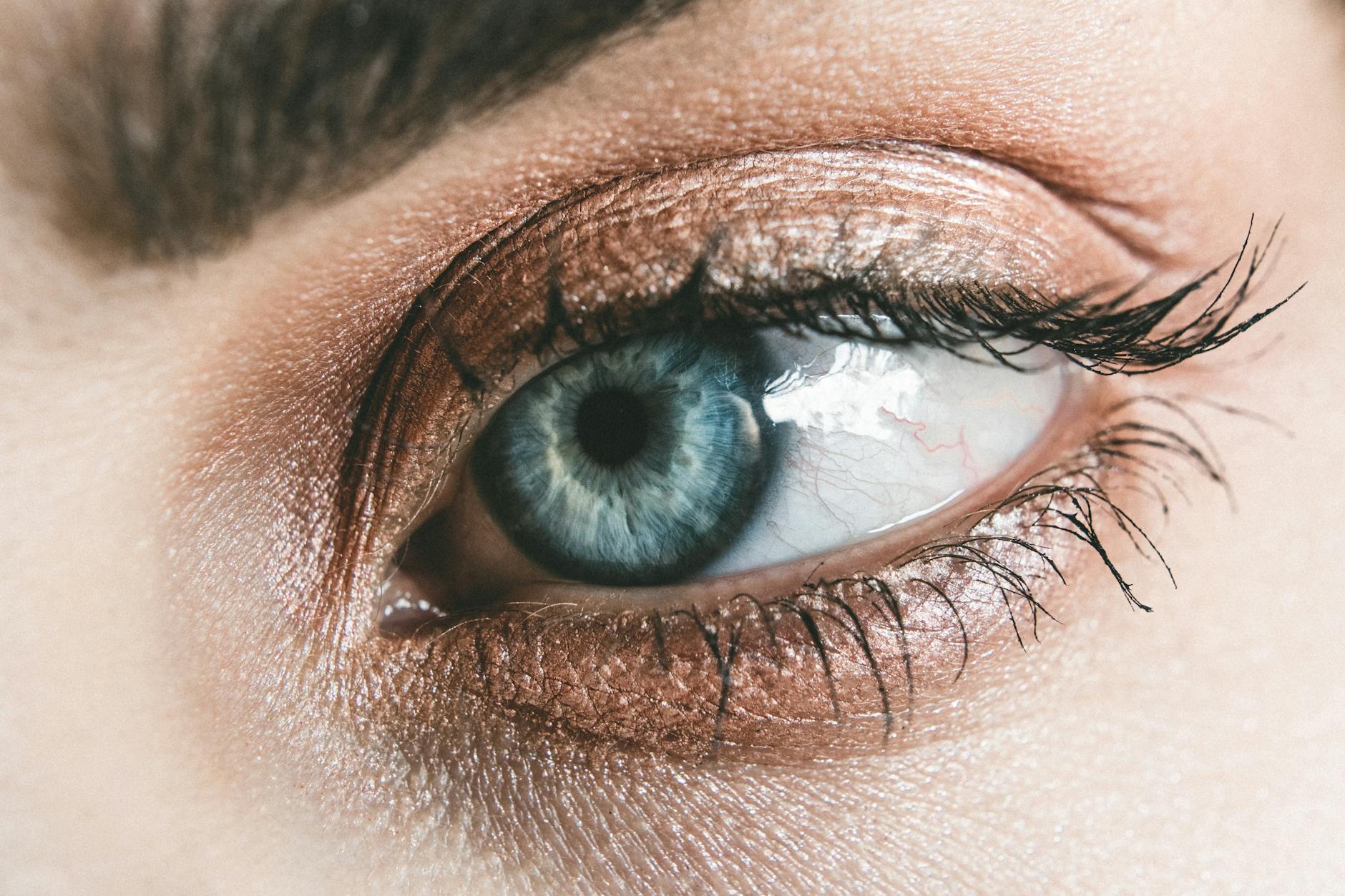
An eye stye, medically known as a hordeolum, can be a painful and bothersome condition. These small, red, and often tender bumps that appear on the eyelid are typically caused by a bacterial infection. While they might look alarming, most styes are not serious and can be effectively managed with simple home care. This guide will walk you through what causes styes, how to find relief with proven remedies, and crucially, when it's time to consult a doctor for professional medical advice. Our aim is to provide clear, practical guidance for our readers in India, ensuring you can navigate this common ailment with confidence and care.
What Exactly is an Eye Stye?
Imagine waking up one morning to find a small, red, and painful bump on your eyelid. That's likely a stye. It’s essentially a localised infection, usually in an oil gland or a hair follicle at the base of your eyelash. These glands can become blocked by dead skin cells, oil, or dirt. When bacteria, most commonly Staphylococcus aureus, get into the blocked gland, they multiply, leading to inflammation and the formation of a pus-filled lump. Styes can appear on the outside of the eyelid (external hordeolum) or, less commonly, on the inside (internal hordeolum).
Understanding the Causes of Styes
The primary culprits behind styes are bacteria, particularly Staphylococcus aureus and Staphylococcus epidermidis, which are common on our skin. These bacteria can infect the tiny oil glands and hair follicles on your eyelids. Several factors can increase your risk of developing a stye:
- Poor Eyelid Hygiene: Not cleaning your eyelids properly can lead to a buildup of oil, dirt, and dead skin cells, creating an ideal environment for bacteria.
- Meibomian Gland Dysfunction (MGD): These are oil glands located within the eyelids. If they become blocked or don't produce oil correctly, it can lead to styes.
- Blepharitis: This is a condition causing inflammation of the eyelids, often associated with dandruff or certain skin conditions.
- Wearing Contact Lenses: Improper handling or prolonged wear of contact lenses can introduce bacteria to the eye area.
- Using Old or Contaminated Eye Makeup: Mascara, eyeliner, and eyeshadow can harbour bacteria, especially if used beyond their recommended shelf life or shared.
- Rubbing Your Eyes: Touching or rubbing your eyes, especially with unwashed hands, can transfer bacteria.
Common Symptoms to Watch For
Recognising a stye is usually straightforward due to its distinct symptoms:
- A tender, painful red lump on the eyelid.
- Swelling of the eyelid.
- A feeling of grittiness or a foreign object in the eye.
- Watery eyes.
- Increased sensitivity to light.
- Crusting along the eyelid edge.
- In some cases, a small pus spot may appear at the centre of the lump.
Effective Home Remedies for Stye Relief
For most styes, home care is the most effective approach. The goal is to encourage the stye to drain naturally and to reduce inflammation and pain. Remember, consistency is key!
1. Warm Compresses: Your Best Friend
This is the cornerstone of stye treatment. The warmth helps to liquefy the hardened oil and debris blocking the gland, encouraging the stye to drain. It also increases blood flow to the area, aiding in healing.
- Preparation: Wet a clean washcloth with warm water. Ensure the water is comfortably warm, not hot, to avoid burning your delicate eyelid skin. Wring out the excess water so the cloth is damp but not dripping.
- Application: Gently place the warm compress over your closed eyelid for about 10-15 minutes.
- Frequency: Repeat this process 3 to 4 times a day. To maintain warmth, you might need to re-dip the cloth in warm water every 30 seconds or so.
Important Note: Never squeeze, pop, or try to puncture a stye. Doing so can spread the infection and worsen the condition.
2. Gentle Eyelid Cleansing
Keeping your eyelids clean is vital to prevent further blockages and infections. Use mild, tear-free baby shampoo or a specific eyelid cleanser. Dilute a small amount of baby shampoo with warm water. Using a clean cotton swab or a soft washcloth, gently wipe along your eyelid margin. Be very gentle, as the skin around the eyes is thin and sensitive. Do this once or twice daily.
3. Tea Bag Compresses (Optional)
Some people find using a warm, damp tea bag (black tea is often recommended for its potential anti-inflammatory and antibacterial properties) can be soothing. Prepare it like a warm compress, letting it steep for a few minutes, then gently applying the warm, damp bag to the closed eyelid for 10-15 minutes. Follow the same frequency as warm water compresses.
4. Saline Solution Rinses
A simple saline solution can also be beneficial. Mix about a quarter teaspoon of salt into a cup of warm, sterile water. Use a clean dropper or cotton swab to gently apply the solution to the affected eyelid. This can help promote drainage and cleanse the area.
5. Over-the-Counter Pain Relief
If the stye is causing significant discomfort, you can take over-the-counter pain relievers like ibuprofen (Advil) or acetaminophen (Tylenol). Always follow the dosage instructions on the packaging. These medications help manage pain and reduce inflammation.
6. Avoiding Eye Makeup and Contact Lenses
While you have a stye, it's best to avoid wearing eye makeup. Makeup can irritate the already inflamed eyelid and delay healing. Furthermore, it can harbour bacteria, potentially leading to reinfection or spreading the bacteria to your makeup products. If you wear contact lenses, switch to glasses until the stye has completely healed to prevent irritation and further bacterial contamination.
When to Consult a Doctor
While most styes resolve on their own within 7 to 10 days with home care, there are times when professional medical attention is necessary. You should see a doctor if:
- The stye doesn't start to improve after 48 hours of home treatment.
- The swelling and redness spread to your entire eyelid or cheek.
- The stye is extremely painful and interferes with your daily activities or vision.
- The stye is very large or keeps recurring.
- You experience changes in your vision.
Your doctor might prescribe antibiotic ointments or eye drops if a bacterial infection is persistent. In rare cases, if the stye is very large and not draining, a minor procedure to drain it might be considered.
Preventing Future Styes
Prevention is always better than cure. Here are some simple habits that can help reduce your risk of developing styes:
- Maintain Good Hand Hygiene: Wash your hands frequently, especially before touching your face or eyes.
- Practice Proper Eyelid Hygiene: Clean your eyelids daily, particularly if you wear makeup or have a history of blepharitis or MGD.
- Handle Contact Lenses Carefully: Always wash your hands before handling lenses, clean them properly, and replace them as recommended. Avoid sleeping in them unless specifically designed for overnight wear.
- Replace Eye Makeup Regularly: Discard eye makeup, especially mascara and liquid eyeliner, every three months. Never share your makeup.
- Manage Underlying Conditions: If you have conditions like blepharitis or MGD, follow your doctor's treatment plan diligently.
Frequently Asked Questions (FAQs)
Q1: Can a stye spread to the other eye?
While a stye itself is a localised infection, the bacteria causing it can potentially spread to the other eye if hygiene practices are not followed. This is why keeping your hands clean and avoiding touching your eyes is important.
Q2: How long does a stye take to heal?
Most styes heal completely within 7 to 10 days with consistent home treatment, primarily warm compresses. Some may take a little longer.
Q3: Is it safe to wear makeup when I have a stye?
No, it is not recommended to wear eye makeup when you have a stye. Makeup can irritate the affected area, introduce more bacteria, and delay the healing process. It's best to refrain from using eye makeup until the stye has fully resolved.
Q4: Can I use a hot compress instead of a warm one?
No, always use a warm, not hot, compress. A hot compress can damage the delicate skin of your eyelid and potentially worsen inflammation. The warmth needs to be comfortable and soothing.
Q5: What if the stye doesn't go away after 2 weeks?
If your stye persists for more than two weeks, or if it's causing significant pain or vision problems, it's essential to consult an eye doctor (ophthalmologist) or your general physician. They can assess the situation and determine if further medical treatment is needed, such as prescription ointments or other interventions.
Dealing with an eye stye can be uncomfortable, but with the right care and attention, you can find relief and promote healing. By understanding the causes, diligently applying home remedies, and knowing when to seek professional help, you can effectively manage this common eye condition.