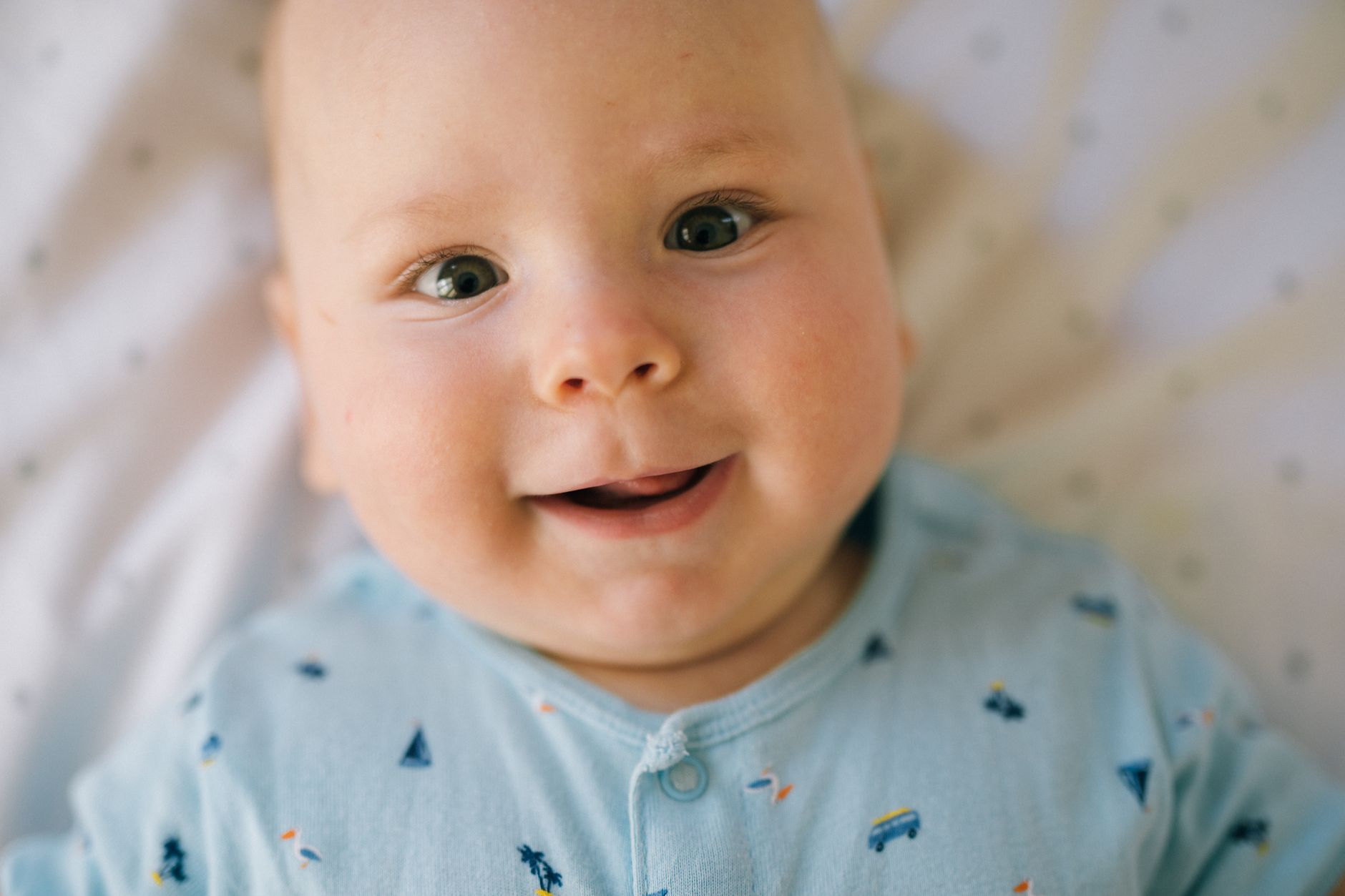
Fifth disease, also known as Erythema infectiosum, is a common viral illness that primarily affects children but can also occur in adults. It’s often called “slapped cheek disease” because of the distinctive red rash that appears on the face. While usually mild in children with healthy immune systems, it can pose risks to pregnant women and individuals with weakened immune systems. Let's explore what fifth disease is, its symptoms, causes, and how to manage it.
What is Fifth Disease?
Fifth disease is caused by a virus called Parvovirus B19. This virus spreads through saliva and respiratory secretions, making it common in school settings. The name “fifth disease” comes from a historical list of common childhood rashes, where it was listed fifth. Other common childhood illnesses on this list include measles, scarlet fever, rubella, and roseola.
Many adults have developed immunity to Parvovirus B19 from childhood exposure, meaning they won't get fifth disease if exposed later in life. However, if an adult contracts the virus, symptoms can be more severe than in children.
Symptoms of Fifth Disease
Symptoms typically appear 4 to 14 days after exposure to the virus. In children, the initial symptoms can be quite mild and often resemble the flu. These may include:
- Low-grade fever
- Headache
- Runny nose
- Sore throat
- Fatigue
A few days after these initial symptoms, a characteristic red rash usually develops. This rash often appears first on the cheeks, giving the appearance of having been slapped. Following the facial rash, a lacy, red or pink rash can spread to the trunk, arms, and legs. This rash can appear, fade, and reappear over several weeks.
Important Note for Adults: While children are more prone to the rash, adults often experience joint pain as a primary symptom. This joint pain can affect the wrists, ankles, and other joints and may last for several weeks. In adults, especially pregnant women, the symptoms can be more significant.
By the time the rash appears, individuals are typically no longer contagious, meaning they can usually return to school or work.
Causes of Fifth Disease
The culprit behind fifth disease is the Parvovirus B19. This virus is airborne and spreads easily through:
- Droplets from coughing or sneezing
- Direct contact with respiratory secretions (like saliva or nasal mucus)
Because it spreads so easily, it's common in environments where children gather, such as schools and daycare centers. The incubation period, the time from exposure to symptom onset, is usually between 4 and 14 days.
Diagnosis of Fifth Disease
In many cases, doctors can diagnose fifth disease based on the characteristic “slapped cheek” rash and other visible symptoms. A physical examination is often enough.
However, if there's any uncertainty or if the patient has a compromised immune system or is pregnant, a doctor might order blood tests. These tests can detect specific antibodies that indicate a recent or past Parvovirus B19 infection. This is especially important in cases where complications are a concern.
Treatment for Fifth Disease
Currently, there is no specific medication to cure fifth disease or shorten its duration. For most children with healthy immune systems, the illness is mild and resolves on its own. Treatment focuses on managing symptoms:
- Rest: Allow your body to recover.
- Fluids: Stay well-hydrated by drinking plenty of water, juices, or clear broths.
- Pain and Fever Relief: Over-the-counter medications like paracetamol (acetaminophen) or ibuprofen can help manage fever and discomfort. Always follow dosage instructions carefully.
For adults, particularly those with joint pain, anti-inflammatory medications might provide relief. If you have a weakened immune system or are pregnant and diagnosed with fifth disease, close medical monitoring is essential.
Risks and Complications
While fifth disease is generally harmless for most children, there are specific situations where it can lead to complications:
- In Individuals with Compromised Immune Systems: For people with conditions like HIV/AIDS or those undergoing chemotherapy, Parvovirus B19 can cause chronic anemia because the virus interferes with red blood cell production.
- In Pregnant Women: If a pregnant woman contracts fifth disease, especially during the first trimester, there is a small risk to the fetus. The virus can cross the placenta and cause the fetus to develop severe anemia, known as hydrops fetalis. This can lead to miscarriage in less than 5% of cases. Fortunately, most pregnant women have immunity, and prompt medical care can manage potential issues.
- In Individuals with Certain Blood Disorders: People with sickle cell anemia or thalassemia are also at higher risk for severe anemia if they contract Parvovirus B19.
Prevention of Fifth Disease
Preventing the spread of fifth disease relies on good hygiene practices, similar to preventing colds and the flu:
- Handwashing: Wash hands frequently with soap and water for at least 20 seconds.
- Cover Coughs and Sneezes: Use a tissue or your elbow to cover your mouth and nose when you cough or sneeze.
- Avoid Close Contact: Try to avoid close contact with people who are sick.
Once a person has had fifth disease, they develop immunity and are unlikely to get it again. However, since the contagious period ends before the rash appears, it can be difficult to prevent transmission in schools and households.
When to Consult a Doctor
You should consult a doctor if:
- You suspect you or your child has fifth disease, especially if you are pregnant or have a weakened immune system.
- Symptoms are severe, such as high fever, severe joint pain, or difficulty breathing.
- You have a chronic blood disorder like sickle cell anemia.
- A pregnant woman is exposed to someone with fifth disease.
A Real-Life Scenario: A parent notices their child, Priya, developing a red, flushed rash on her cheeks after complaining of a mild sore throat and headache for a couple of days. Priya is otherwise active and eating well. The parent remembers hearing about fifth disease at school and wonders if this is it. They decide to keep Priya home from school to prevent any potential spread and call their pediatrician for advice, especially since the parent is in their first trimester of pregnancy.
Frequently Asked Questions (FAQ)
Can adults get fifth disease?
Yes, adults can get fifth disease, although many adults have immunity from childhood exposure. Symptoms in adults can be more severe, often involving significant joint pain.
Is fifth disease dangerous for pregnant women?
While most pregnant women are immune, if a non-immune pregnant woman contracts fifth disease, there is a small risk of complications for the fetus, including severe anemia. It is crucial for pregnant women to seek medical advice if exposed or symptomatic.
How long is someone with fifth disease contagious?
People with fifth disease are generally contagious before the rash appears. Once the characteristic rash develops, they are typically no longer contagious and can return to school or work.
Can I get fifth disease more than once?
No, once you have had fifth disease and recovered, you develop immunity to Parvovirus B19 and are unlikely to contract the illness again.