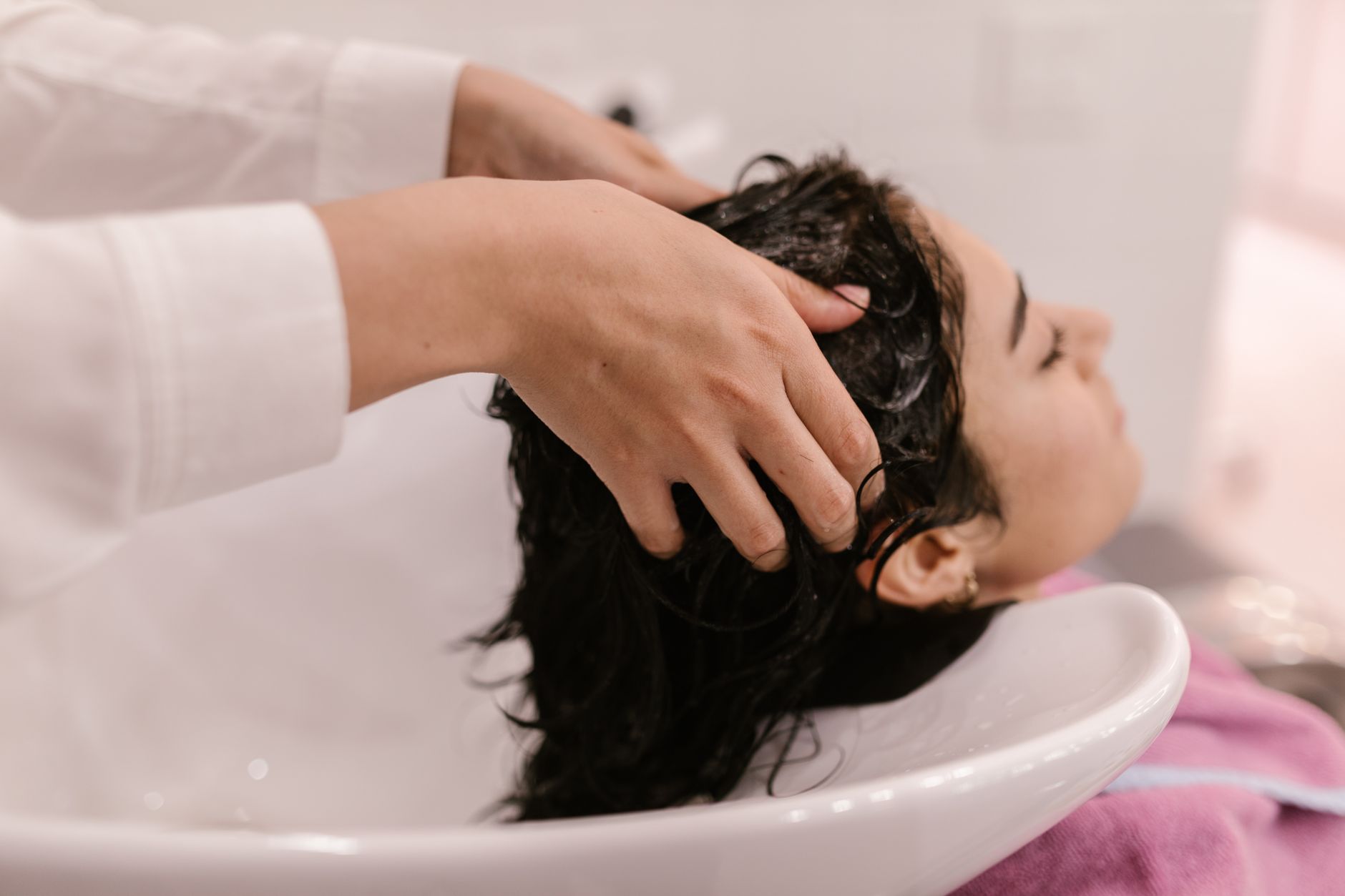
Understanding Hair Dye Allergies: A Comprehensive Guide for Indian Readers Hair coloring has become a popular way to enhance appearance, experiment with style, or cover greys. However, for some individuals, these vibrant transformations can lead to unexpected and uncomfortable allergic reactions. In India, where hair coloring is widely adopted across various age groups, understanding hair dye allergies is crucial for safe usage. This guide delves into the common causes, symptoms, diagnosis, treatment, and prevention strategies for hair dye allergies, providing practical advice tailored for the Indian context. What is a Hair Dye Allergy? A hair dye allergy is an adverse immune response triggered by specific chemicals present in hair coloring products. While many people use hair dyes without issue, certain ingredients can cause the body's immune system to overreact, leading to a range of symptoms. These reactions can occur immediately after application or may take up to 48 hours to develop, making it sometimes challenging to pinpoint the exact cause. Common Causes of Hair Dye Allergies The primary culprit behind most hair dye allergies is a chemical called paraphenylenediamine (PPD) . PPD is a common ingredient found in many permanent and semi-permanent hair dyes, particularly those with darker shades like black and dark brown. It's also found in other products such as temporary tattoo inks, printer inks, and even gasoline, highlighting its widespread industrial use. PPD works by undergoing a chemical reaction when mixed with an oxidizer (usually hydrogen peroxide), which is part of the hair dye kit. This oxidation process is what allows the dye to penetrate the hair shaft and create a lasting color. However, for individuals sensitive to PPD, this partially oxidized form is what triggers the allergic reaction. It's important to note that the terms 'natural' or 'herbal' on hair dye packaging can be misleading. While some dyes may contain natural extracts, they can still include PPD or other sensitizing chemicals. Always read the ingredient list carefully to understand what you are applying to your scalp and skin. Symptoms of a Hair Dye Allergic Reaction The symptoms of a hair dye allergy can vary significantly from mild irritation to severe, life-threatening reactions. Recognizing these signs is the first step towards effective management: Mild Symptoms (Contact Dermatitis): These are the most common and include: Stinging or burning sensation on the scalp, face, or neck. Itching or a rash on the scalp, face, neck, or ears. Redness and dryness of the skin. Swelling of the eyelids, lips, hands, or feet. Blistering or weeping sores on the scalp. Severe Symptoms (Anaphylaxis): Though rare, a severe allergic reaction known as anaphylaxis can occur. This is a medical emergency and requires immediate attention. Symptoms include: Difficulty breathing or wheezing. Swelling of the throat and tongue. A sudden drop in blood pressure. Rapid heartbeat. Dizziness or fainting. Nausea, vomiting, or abdominal pain. If you or someone else experiences symptoms of anaphylaxis, call emergency services (like 108 or 112 in India) immediately or get to the nearest hospital emergency room. Diagnosis of Hair Dye Allergy Diagnosing a hair dye allergy typically involves a combination of medical history review and, in some cases, patch testing. A doctor will ask about your recent use of hair dyes, the symptoms you've experienced, and their timing. If a specific ingredient is suspected, a dermatologist may perform a patch test. This involves applying small amounts of suspected allergens, like PPD, to the skin under controlled conditions to observe for a reaction. This helps confirm the allergy and identify the specific trigger. Treatment for Hair Dye Allergic Reactions The treatment approach depends on the severity of the reaction: Immediate Home Care for Mild Reactions: Rinse Thoroughly: If you notice any burning, itching, or redness during or after dyeing, immediately rinse the hair dye off with plenty of lukewarm water and a mild soap or shampoo. Potassium Permanganate Solution: Applying a dilute solution of potassium permanganate can help fully oxidize any remaining PPD, reducing its allergenic potential. Follow your doctor's instructions for its use. Topical Corticosteroids: Over-the-counter (OTC) creams or lotions containing hydrocortisone can help reduce inflammation, itching, and redness associated with contact dermatitis. Apply to the affected areas, avoiding the eyes and mouth. Antihistamines: Oral antihistamines, such as those containing cetirizine or loratadine, can help alleviate itching and swelling. Hydrogen Peroxide: A mild application of hydrogen peroxide may help calm the skin and reduce irritation. Medical Treatment for Severe Reactions: Prescription Corticosteroids: For more severe or persistent reactions, a doctor may prescribe stronger topical corticosteroids or oral steroid medications. Emergency Treatment: Anaphylaxis requires immediate medical intervention, including epinephrine injections and supportive care in a hospital setting. Preventing Hair Dye Allergies Prevention is key when it comes to hair dye allergies. Here are some practical tips: Patch Test is Essential: Always perform a patch test 48 hours before applying any new hair dye, even if you've used the brand before. Apply a small amount of the mixed dye to a discreet area of skin (like behind the ear or inner elbow) and wait for any reaction. Clean a small area of skin behind your ear or on the inner elbow. Mix a small amount of the hair dye according to the package instructions. Apply a small amount to the cleaned skin area. Leave it on for the time recommended in the instructions (usually 24-48 hours without washing). If you experience any redness, itching, swelling, or burning, do not use the
In summary, timely diagnosis, evidence-based treatment, and prevention-focused care improve long-term health outcomes.