Understanding HPV-Related Warts and Their Recurrence
Human Papillomavirus (HPV) is a very common virus that can lead to various health issues, including genital warts. While treatments are available to remove these warts, a common concern for many is whether they will return. This article delves into the factors influencing the recurrence of HPV-related warts, what you can do to minimize the chances of them coming back, and when it's important to seek medical advice.
What are HPV-Related Warts?
HPV-related warts, often referred to as genital warts, are typically caused by specific, low-risk strains of the Human Papillomavirus, primarily HPV types 6 and 11. These strains are known for their persistence, which can contribute to a higher likelihood of warts reappearing even after successful treatment. It's important to understand that HPV is a virus, and while warts can be treated and removed, the virus itself may remain dormant in the body, potentially leading to future outbreaks.
Understanding Recurrence Rates
The recurrence rate of HPV-related warts can vary significantly from person to person. Some individuals may experience warts returning within a few months of initial treatment, while others might never have a recurrence. A recurrence is generally defined as the reappearance of warts caused by the same HPV genotype in the same location. Several factors can influence how often warts may come back:
Factors Affecting Recurrence Rates
- Immune System Health: A strong immune system is your body's best defense against viruses like HPV. Individuals with weakened immune systems, perhaps due to conditions like HIV or the use of immunosuppressant medications, are more prone to recurrent warts. A robust immune system can effectively suppress the virus, reducing the chances of recurrence.
- Sexual Activity: Engaging in sexual activity with a partner who has HPV can increase the risk of reinfection or the recurrence of warts. Even if no visible warts are present, the virus can still be on the skin. While barrier methods like condoms can reduce the risk, they do not offer complete protection against HPV transmission.
- Smoking: Research suggests a link between smoking tobacco and higher rates of HPV recurrence. The toxins in cigarettes can impair immune function, making it harder for the body to fight off the virus.
- Treatment Method: The type of treatment used for warts can also play a role in recurrence. Procedures like cryotherapy (freezing) and surgical removal often have lower recurrence rates compared to topical medications. Topical treatments, while effective for clearing existing warts, may sometimes be associated with a higher chance of recurrence. However, it's crucial to note that no treatment can guarantee that warts will never return.
What Can You Do to Help Prevent Recurrence?
While completely preventing the recurrence of HPV-related warts might not always be possible, there are several proactive steps you can take to significantly reduce the chances of them coming back:
- Boost Your Immune System: A healthy lifestyle is paramount. Focus on eating a balanced diet rich in fruits, vegetables, and whole grains. Regular physical activity, adequate sleep, and effective stress management techniques can all contribute to a stronger immune system, better equipped to combat the HPV virus.
- Follow Your Treatment Plan: If you have been prescribed topical treatments or have undergone a procedure, adhere strictly to your healthcare professional's instructions. Proper aftercare following procedures like cryotherapy or surgery can aid healing and minimize the risk of recurrence.
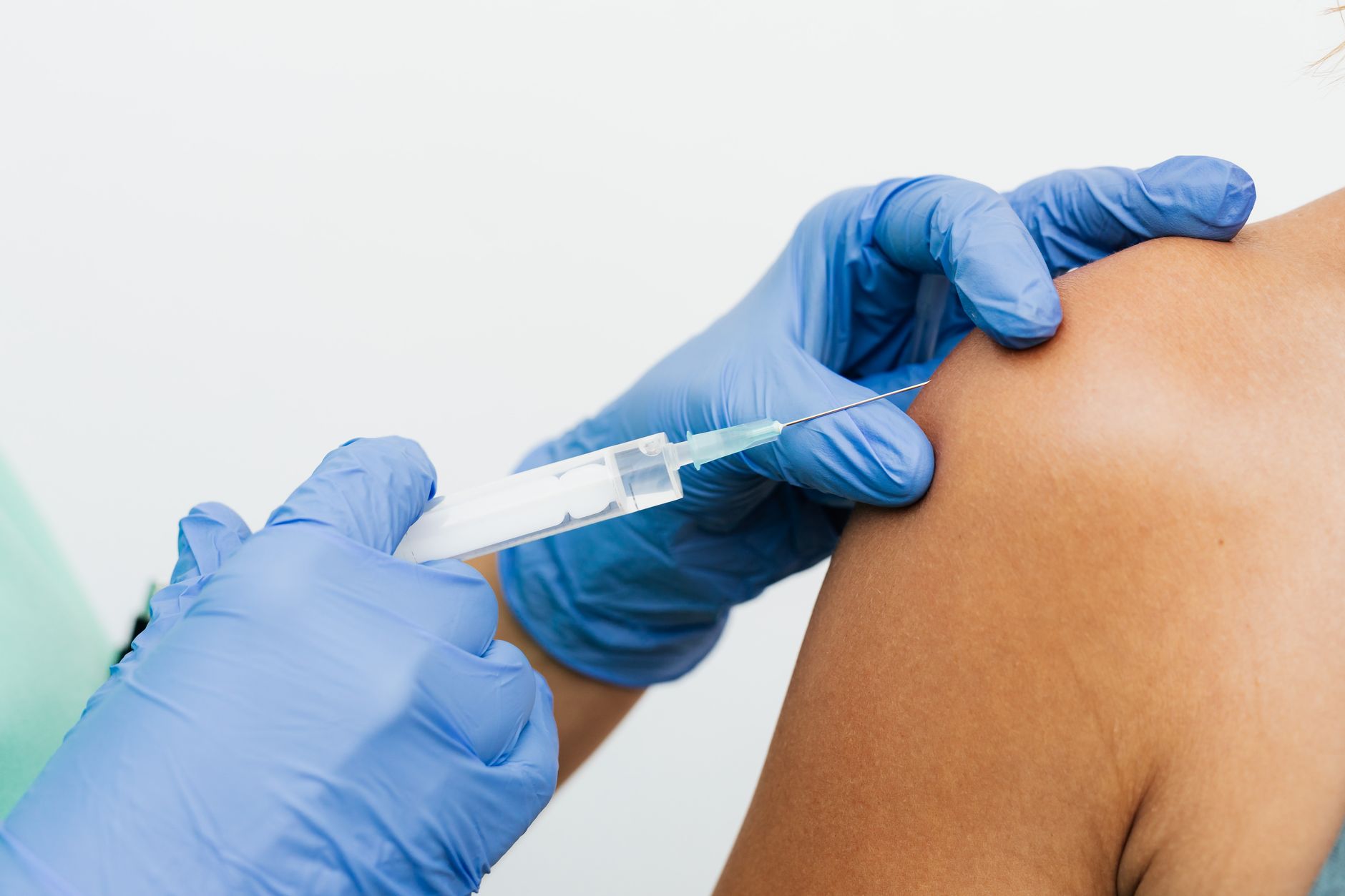
- Consider the HPV Vaccine: While primarily designed to prevent initial HPV infections, the HPV vaccine may still offer benefits to individuals who have already been exposed to the virus. Discuss with your healthcare provider whether the vaccine is a suitable option for you.
- Practice Safe Sex: Using condoms or dental dams during sexual activity can help lower the risk of transmitting or contracting HPV. However, remember that these barriers do not offer 100% protection, as HPV can affect areas not covered by a condom.
- Regular Medical Check-ups: Consistent visits to your healthcare provider are essential for monitoring your health. If you notice any new warts or signs of recurrence, seeking prompt medical attention can help manage the condition before it worsens or spreads.
- Quit Smoking: If you smoke, quitting can have a profound positive impact on your health, including reducing the risk of HPV wart recurrence.
When to Consult a Doctor
It is important to consult a healthcare professional if you experience any of the following:
- You notice new warts appearing, especially in the genital area.
- Your existing warts change in appearance, size, or number.
- You experience pain, itching, or discomfort related to warts.
- You have concerns about HPV recurrence or prevention strategies.
- You have a weakened immune system and are concerned about HPV.
Early diagnosis and treatment are key to managing HPV-related warts effectively and minimizing the impact of potential recurrences. Your doctor can provide personalized advice and the most appropriate treatment options for your specific situation.
Disclaimer: This information is for general knowledge and informational purposes only, and does not constitute medical advice. It is essential to consult with a qualified healthcare professional for any health concerns or before making any decisions related to your health or treatment.