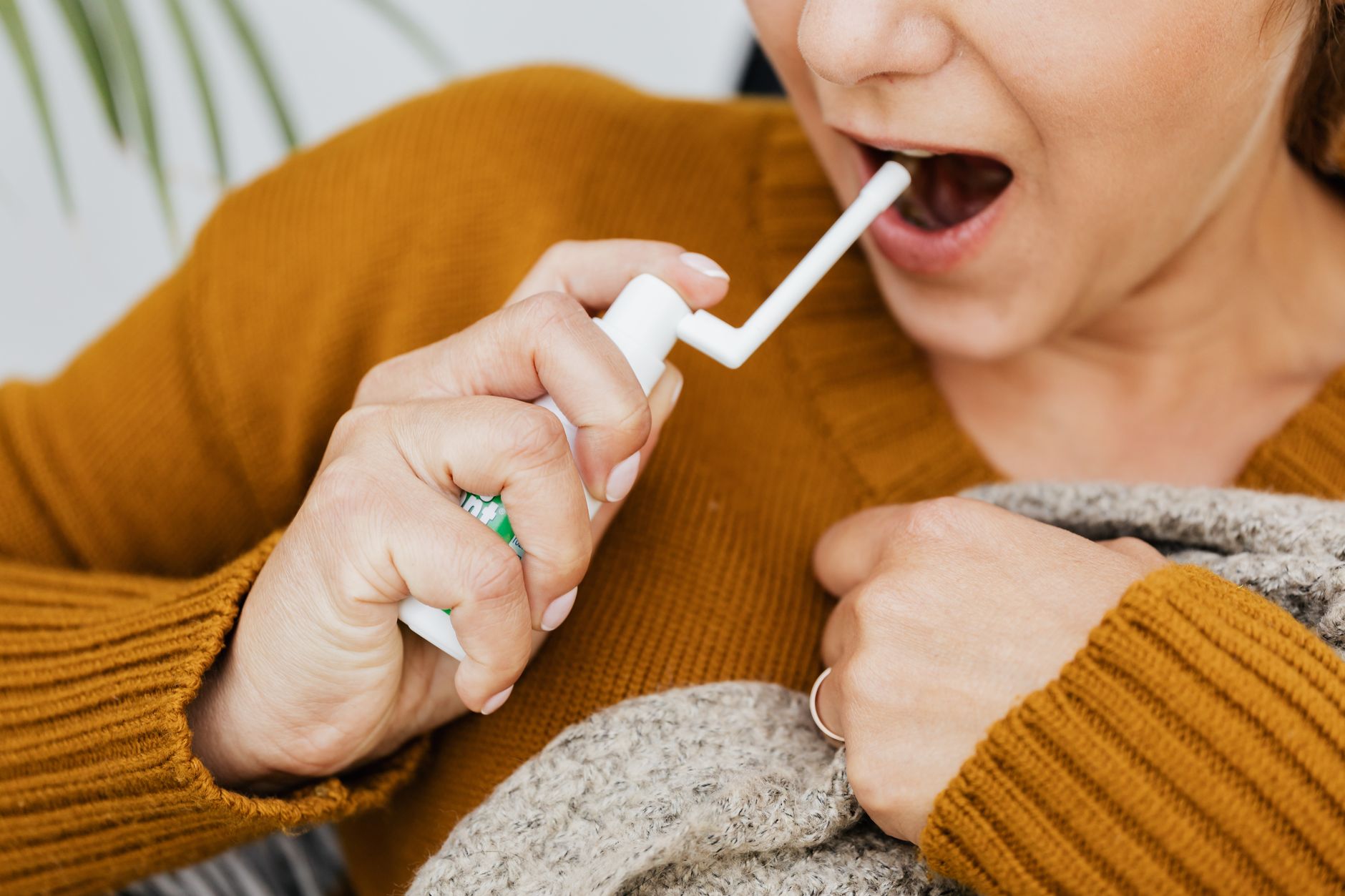
Many people in India rely on inhalers to manage conditions like asthma and chronic obstructive pulmonary disease (COPD). These small devices can be lifesavers, making breathing easier. However, a common side effect of using certain inhalers, particularly those containing corticosteroids, is the development of oral thrush. This fungal infection might sound concerning, but understanding its causes, symptoms, and prevention methods can help you manage it effectively. Let's explore how your inhaler might be linked to oral thrush and what you can do about it.
What Exactly is Oral Thrush?
Oral thrush, also known medically as candidiasis or oropharyngeal candidiasis, is a fungal infection that affects the mouth and throat. It's caused by an overgrowth of a fungus called Candida. This fungus is naturally present in most people's mouths, throats, and digestive tracts without causing any issues. However, when the body's natural defenses are weakened, or when the balance of microorganisms in the mouth is disrupted, Candida can multiply and lead to an infection.
The infection typically appears as creamy white or yellowish patches or bumps on the tongue, inner cheeks, roof of the mouth, and sometimes the back of the throat. These patches can be sore and may bleed when scraped.
Why Do Inhalers Increase the Risk of Oral Thrush?
Some inhalers, especially those prescribed for asthma and COPD, contain corticosteroid medications. Corticosteroids work by reducing inflammation in the airways, which helps to open them up and make breathing easier. While highly effective for managing these respiratory conditions, these medications can also affect the oral environment.
When you use a corticosteroid inhaler, a portion of the medication can settle in your mouth and throat instead of reaching your lungs. This residue can potentially weaken the local immune system in your mouth and throat. A compromised immune system in this area creates an ideal environment for the naturally present Candida fungus to overgrow, leading to oral thrush.
Think of it like this: Your inhaler delivers medicine to help your lungs, but a little bit stays behind in your mouth. This leftover medicine can accidentally make it harder for your mouth to keep the fungus in check, allowing it to grow where it shouldn't.
Recognizing the Symptoms of Inhaler-Related Oral Thrush
It's not always obvious when you've developed oral thrush, especially if you're focused on managing your breathing condition. Be aware of these potential symptoms:
- Visible Patches: Look for white or yellowish, cottage cheese-like patches on your tongue, inner cheeks, palate (roof of your mouth), or throat.
- Mouth Sensation: You might notice a dry, cottony feeling in your mouth.
- Taste Changes: Some people experience a loss of taste or an unpleasant taste in their mouth.
- Discomfort: You may feel pain or soreness in your mouth, especially when swallowing food or liquids.
- Cracking at the Corners: Redness and dry, cracking skin at the corners of your lips (known as angular cheilitis) can also occur.
- Bleeding: If the patches are scraped or disturbed, they might bleed.
In more severe cases, the infection can spread down the esophagus, causing a sore throat and making swallowing even more difficult. This is less common but something to be aware of.
Practical Steps to Prevent Oral Thrush
The good news is that you can take several practical steps to significantly reduce your risk of developing oral thrush, even if you need to use your inhaler regularly. These methods focus on clearing the medication from your mouth and maintaining good oral hygiene.
- Rinse Your Mouth After Each Use: This is perhaps the most important step. After using your corticosteroid inhaler, take a few sips of plain water and swish it around your mouth thoroughly. Spit out the water; don't swallow it. This helps wash away any residual medication.
- Brush Your Teeth: Brushing your teeth after using your inhaler, in addition to your regular brushing routine, can further help remove medication particles and maintain overall oral health.
- Use an Inhaler Spacer: If you use a metered-dose inhaler (MDI), ask your doctor about using a spacer device. A spacer attaches to the inhaler and holds the medication in the air for a moment, allowing you to inhale it more slowly and deeply. This helps more of the medicine go directly to your lungs and less into your mouth and throat.
- Maintain Good Oral Hygiene: Brush your teeth at least twice a day and floss daily. Regular dental check-ups are also vital for monitoring your oral health.
- Stay Hydrated: Drinking plenty of water throughout the day helps keep your mouth moist and can aid in washing away irritants.
A common scenario: Mrs. Sharma, a 65-year-old woman managing COPD, noticed white patches on her tongue and a strange taste after starting a new corticosteroid inhaler. She was worried it was a serious infection. Following her doctor's advice, she started rinsing her mouth thoroughly with water after every puff and brushing her teeth more diligently. Within a week, the patches began to disappear, and her mouth felt much better.
When to Consult Your Doctor
While prevention is key, sometimes oral thrush can still develop. If you notice any of the symptoms mentioned above, it's important to consult your doctor or dentist. They can confirm the diagnosis and recommend the appropriate treatment.
You should seek medical advice if:
- You suspect you have oral thrush.
- Your symptoms are severe or painful.
- The symptoms don't improve after a week of trying home prevention methods like rinsing.
- You have a weakened immune system and develop oral thrush, as it can sometimes spread.
Diagnosis and Treatment
Diagnosing oral thrush is usually straightforward. Your doctor will typically examine your mouth and may scrape a small sample of the white patches to examine under a microscope. This helps confirm the presence of Candida fungus.
Treatment for oral thrush is generally effective and involves antifungal medications. These are often available as:
- Lozenges or Mouth Rinses: You dissolve a lozenge in your mouth or use a medicated rinse several times a day.
- Oral Suspensions: This is a liquid antifungal medication that you swish around your mouth and then swallow.
- Pills: For more severe or persistent cases, your doctor might prescribe oral antifungal pills.
The course of treatment usually lasts from a few days to a couple of weeks, depending on the severity of the infection. It's important to complete the full course of medication as prescribed, even if your symptoms improve earlier, to ensure the infection is fully cleared.
Medication Adjustments and Long-Term Management
In some cases, your doctor might consider adjusting your inhaler therapy if oral thrush is a recurrent problem. This could involve:
- Reducing the Steroid Dose: If your condition is well-controlled, your doctor might try lowering the dose of the corticosteroid in your inhaler.
- Switching Inhaler Types: Sometimes, a different type of inhaler or a combination inhaler that includes a long-acting bronchodilator might be an option.
- Using a Different Delivery Method: A dry powder inhaler (DPI) or a nebulizer might be considered, as their medication delivery mechanisms can differ from MDIs.
- Prescribing Non-Steroid Medications: Your doctor might explore other medications that can help manage your asthma or COPD, potentially reducing your reliance on corticosteroid inhalers.
Always discuss these options with your healthcare provider. They will weigh the benefits and risks based on your specific health condition.
Frequently Asked Questions (FAQ)
Q1: Can I continue using my inhaler if I have oral thrush?
Yes, it's usually important to continue using your prescribed inhaler for your asthma or COPD. Stopping it could worsen your breathing condition. However, make sure to follow the prevention steps (like rinsing your mouth) diligently and discuss the thrush with your doctor for treatment.
Q2: How long does oral thrush from an inhaler usually last?
With appropriate antifungal treatment, most cases of oral thrush clear up within one to two weeks. Persistent or severe cases might take longer.
Q3: Is oral thrush contagious?
While Candida is a common fungus, the infection itself is generally not considered highly contagious between adults. However, it can be passed from mother to baby during breastfeeding or to individuals with severely compromised immune systems.
Q4: Can I use home remedies for oral thrush?
While some people try home remedies like salt water rinses or yogurt, it's best to consult a doctor for proper diagnosis and treatment. Antifungal medication prescribed by a doctor is the most effective way to clear the infection. Relying solely on home remedies might delay necessary treatment.
Living Well with Your Inhaler
Managing respiratory conditions often requires long-term medication, and inhalers play a vital role. Understanding potential side effects like oral thrush empowers you to take proactive steps. By incorporating simple habits like rinsing your mouth after each use and maintaining good oral hygiene, you can significantly reduce your risk. Remember, open communication with your doctor about any concerns or symptoms is the best approach to ensure you receive the right care and continue to breathe easier, comfortably and healthily.