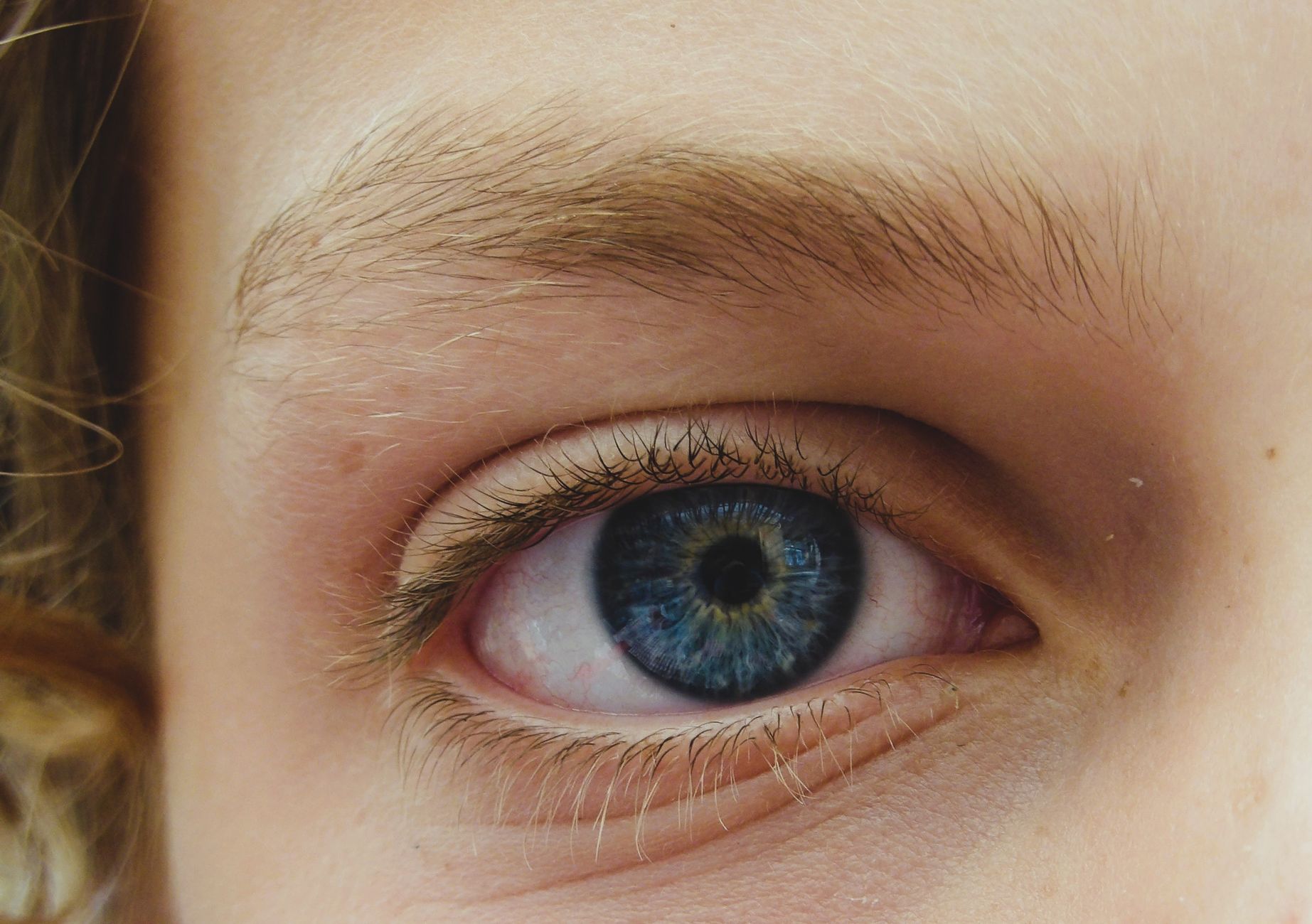
It’s a common, yet often distressing, experience: a sudden, painful bump appearing on your eyelid. While many of us are familiar with external styes that form along the lash line, an internal stye can be particularly bothersome. These develop on the inner surface of your eyelid, making them less visible but often more uncomfortable. This guide will walk you through everything you need to know about internal styes, from what causes them and how to recognise the symptoms to effective treatment and prevention strategies, all tailored for our Indian readers. What Exactly is an Internal Stye? An internal stye, also known medically as an internal hordeolum, is essentially a bacterial infection within one of the oil glands or meibomian glands located inside your eyelid. Unlike an external stye, which affects the eyelash follicle or a small oil gland at the edge of the eyelid, an internal stye burrows deeper. This location can make it feel more tender and may cause a more pronounced swelling that’s harder to see directly. Imagine this scenario: You wake up one morning, and your eye feels gritty, like there’s sand in it. As the day goes on, a distinct tenderness develops on the inside of your upper or lower eyelid. You can’t quite pinpoint a visible lump on the outside, but the discomfort is undeniable. This could very well be an internal stye. While they can occur on either the upper or lower eyelid, internal styes typically affect only one eye at a time. However, it’s not impossible to develop them on both eyes simultaneously or sequentially. The good news is that most internal styes are temporary and resolve on their own within a week to ten days. Recognising the Signs: Symptoms of an Internal Stye The symptoms of an internal stye can sometimes be subtle, especially since the bump is not readily visible from the outside. However, you might experience: A feeling of irritation or a foreign body sensation in your eye – like something is stuck inside. Tenderness or pain on the inside of your eyelid, which can worsen when you blink. Visible swelling or a red lump on the inner surface of the eyelid. Crusting along the eyelashes or eyelid margin. Increased tear production. Sensitivity to light (photophobia). It’s important to remember that the appearance can differ from an external stye. You might not see a distinct, pus-filled head as you would with an external stye. The discomfort and swelling are often the primary indicators. Unpacking the Causes: Why Do Internal Styes Develop? The primary culprit behind internal styes is bacterial infection. The most common bacteria involved is Staphylococcus aureus , a type of bacteria normally found on our skin and in our nasal passages without causing any harm. However, under certain circumstances, these bacteria can enter the oil glands inside the eyelid and trigger an infection. Several factors can increase your risk of developing an internal stye: Poor Eyelid Hygiene: Not cleaning your eyelids properly, especially if you wear makeup or contact lenses, can allow bacteria to accumulate. Blockage of Oil Glands: Conditions like blepharitis (inflammation of the eyelids) can lead to blockages in the meibomian glands, creating a breeding ground for bacteria. Using Contaminated Products: Sharing eye makeup, using old or contaminated cosmetics, or wearing false eyelashes can introduce bacteria to your eyes. Touching Eyes with Unclean Hands: A simple act of rubbing your eyes with unwashed hands can transfer bacteria. Wearing Contact Lenses: Improper handling or prolonged wear of contact lenses can irritate the eye and increase infection risk. Nasal or Sinus Infections: Bacteria from infections in your nose or sinuses can sometimes spread to the eyes. Interestingly, if you find yourself getting internal styes frequently, it might indicate that you are a carrier of Staphylococcus bacteria in your nose. This doesn't mean you're sick, but it can increase your susceptibility to various infections, including eye infections. Diagnosis: How Doctors Identify an Internal Stye Diagnosing an internal stye is usually straightforward. An eye care professional, such as an optometrist or an ophthalmologist, can identify it through a physical examination of your eye. They will look for the characteristic swelling and tenderness on the inner eyelid. In some cases, if the infection is persistent or unusual, your doctor might recommend a swab test. This involves gently swabbing the affected area to collect a sample, which is then sent to a laboratory. The test helps identify the specific type of bacteria causing the infection, guiding the most effective treatment, especially if antibiotics are needed. Your doctor will also inquire about your symptoms, medical history, and lifestyle habits (like makeup use or contact lens wear) to understand potential contributing factors. Treatment Approaches for Internal Styes For most internal styes, the body’s immune system works effectively to clear the infection, and they resolve without specific medical intervention. However, there are several things you can do to promote healing and manage discomfort: Home Remedies: Warm Compresses: This is the cornerstone of home treatment. Soak a clean washcloth in warm (not hot) water, wring it out, and gently hold it against your closed eyelid for 5-10 minutes, several times a day. The warmth helps to soften the blockage, encourage drainage, and soothe inflammation. Ensure the compress is clean each time to avoid reintroducing bacteria. Gentle Eyelid Cleansing: After the warm compress, you can gently clean your eyelid margin with a diluted, tear-free baby shampoo or a specific eyelid-cleansing solution. Use a clean cotton swab or pad for each eye. This helps remove crusting and debris. Avoid Makeup and Contact Lenses: While you have a stye, refrain from wearing eye makeup and contact lenses. These can introduce more bacteria and hinder healing. If you wear contacts, switch to glasses until the stye is gone. Do Not Squeeze or Pop: Resist the urge to squeeze or pop the stye. Doing so can spread the infection deeper into the eyelid tissues or even into the bloodstream, leading to more serious complications. Medical Treatment: If home remedies don't provide relief after a week or so, or if the stye is particularly large, painful, or recurrent, it’s time to consult a doctor. Medical treatments may include: Antibiotics: Your doctor might prescribe topical antibiotic ointments or eye drops to fight the bacterial infection. In some cases, oral antibiotics may be necessary, especially if the infection is spreading or severe. Steroid Injections: For significant inflammation, a doctor might consider a corticosteroid injection to reduce swelling, though this is less common for initial stye treatment. Incision and Drainage: In rare cases where the stye doesn't drain on its own and causes significant discomfort or vision problems, a doctor may perform a minor surgical procedure to lance and drain the stye. This is done under sterile conditions. When to Seek Medical Attention While most internal styes are minor nuisances, certain signs indicate that you should consult a doctor promptly: The stye doesn't start to improve after 48 hours of home treatment. The swelling or redness spreads to your entire eyelid or cheek. You experience changes in your vision, such as blurred vision. The stye is extremely painful. You develop a fever. You have recurrent styes (getting them frequently or in both eyes). The swelling seems to be a hard lump that persists for weeks (this might be a chalazion, a blocked gland that is not an active infection but can form after a stye). Don't hesitate to reach out to your eye doctor or general physician if you have any concerns. Preventing Future Styes Prevention is always better than cure. By adopting good eye care habits, you can significantly reduce your risk of developing internal styes: Maintain Excellent Eyelid Hygiene: Wash your eyelids gently every day, especially if you wear makeup or have a history of blepharitis. Use a clean washcloth or specific eyelid wipes. Proper Makeup Practices: Never share eye makeup. Replace eye makeup, especially mascara and liquid eyeliner, every 3-6 months. Always remove makeup thoroughly before sleeping. Contact Lens Care: Follow your eye doctor's instructions for cleaning, storing, and wearing your contact lenses precisely. Wash your hands thoroughly before handling lenses. Avoid Rubbing Your Eyes: Try to keep your hands away from your eyes, especially if you haven’t washed them recently. Treat Underlying Conditions: If you suffer from conditions like blepharitis, manage it effectively with your doctor's guidance. Frequently Asked Questions (FAQ) Can an internal stye affect my vision? An internal stye typically does not cause permanent vision problems. However, the swelling can temporarily blur your vision, especially if it’s large and presses against the cornea. If you notice significant vision changes, consult your doctor immediately. Is an internal stye contagious? No, an internal stye itself is not contagious. You cannot catch it from someone else. However, the bacteria that cause the stye can be spread through contaminated items (like towels or makeup) or by touching the stye and then touching your eyes or other surfaces. How long does an internal stye usually last? Most internal styes resolve on their own within
In summary, timely diagnosis, evidence-based treatment, and prevention-focused care improve long-term health outcomes.