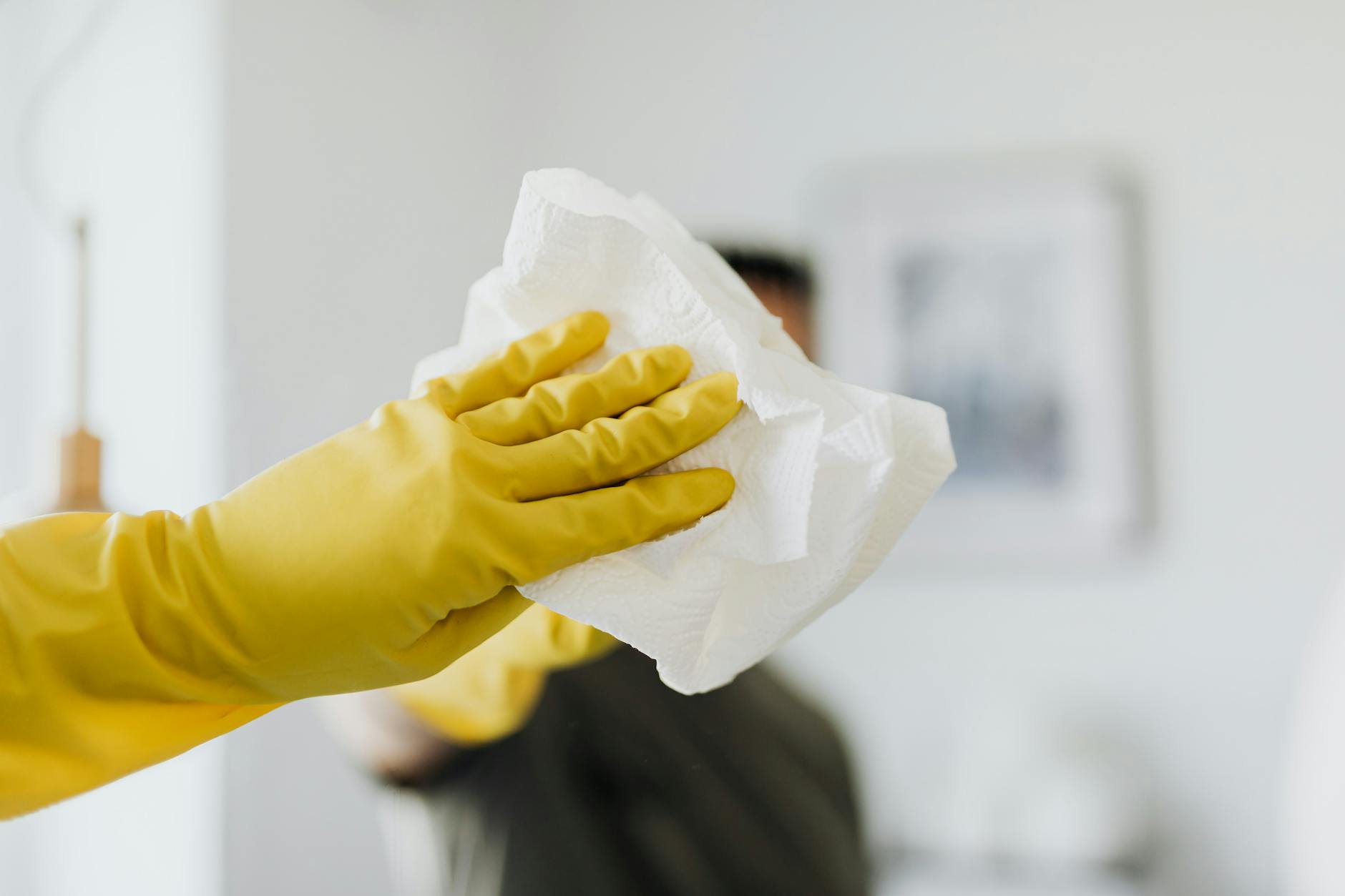
Understanding MRSA and its Presence on Surfaces
Methicillin-resistant Staphylococcus aureus, commonly known as MRSA, is a type of staph bacteria that has developed resistance to certain antibiotics. While staph bacteria are common and can be found on the skin or in the noses of about one in three people without causing harm, they can lead to serious infections if they enter the body through a wound, cut, or rash. MRSA infections are particularly concerning because they are harder to treat due to their antibiotic resistance. These infections are often acquired in healthcare settings, affecting individuals with weakened immune systems, but they can also spread in the community. If left untreated, MRSA infections can become severe, leading to life-threatening conditions like sepsis or pneumonia.
A critical aspect of controlling the spread of MRSA involves understanding how it survives on surfaces and implementing effective cleaning and disinfection strategies. MRSA can persist on various surfaces, including furniture, towels, razors, and athletic equipment, for extended periods, sometimes weeks. This persistence makes surfaces a potential vector for transmission, especially in shared environments like gyms, schools, and healthcare facilities.
What Kills MRSA on Surfaces?
Keeping surfaces clean is paramount in preventing the transmission of bacteria and curbing the spread of MRSA. The effectiveness of cleaning agents and disinfectants against MRSA depends on several factors, including the type of product used and how it is applied.
Disinfectants and Cleaners
Disinfectants are specifically designed to kill microorganisms, including bacteria like MRSA. The Environmental Protection Agency (EPA) regulates these products and maintains a list of registered disinfectants proven effective against MRSA. Products that are labeled as effective against 'staph' bacteria will generally also kill MRSA.
Detergents and cleaners play a crucial role by removing dirt, dust, and other organic matter from surfaces. This cleaning process is essential because such matter can interfere with the disinfectant's ability to reach and kill bacteria. In many cases, cleaning agents and disinfectants are combined into a single product for convenience and enhanced effectiveness.
Specific Cleaning Agents
Several common household and industrial cleaning agents have demonstrated efficacy against MRSA:
- Bleach: A diluted bleach solution is a powerful disinfectant. The Centers for Disease Control and Prevention (CDC) recommends mixing 1/4 cup of bleach with 1 gallon of water for products containing 5.25%–6.0% bleach. It is crucial to follow safety precautions, such as wearing gloves and eye protection, as bleach can be irritating.
- Alcohol: Rubbing alcohol, particularly solutions with higher concentrations, can be effective. Research suggests that alcohol concentrations of 95% or 100% are most effective at inhibiting MRSA growth. Solutions between 60-80% alcohol are also recommended for hand sanitizers.
- Hydrogen Peroxide: Higher concentrations of hydrogen peroxide, specifically solutions of at least 35%, have shown effectiveness in killing MRSA.
How to Use Disinfectants and Cleaners Effectively
Proper application of cleaning products is as important as the product itself. Always adhere strictly to the instructions provided on the product label. These instructions typically detail:
- Protective Equipment: Whether you need to wear gloves, goggles, or other protective gear.
- Cleaning Procedure: How to clean the surface before or after applying the disinfectant.
- Contact Time: The duration the disinfectant must remain wet on the surface to be effective. This 'contact time' can vary significantly, from a few seconds to up to 10 minutes, depending on the product.
- Application Method: General recommendations often suggest using enough solution to wet the entire surface and allowing it to air dry. However, always confirm this with the product label.
Handling cleaning chemicals requires caution. Always follow the safety instructions on the product label to avoid skin irritation, eye irritation, or respiratory issues like asthma, which can be associated with the use of certain chemicals like bleach.
Preventing the Spread of MRSA
Beyond surface cleaning, personal hygiene practices are vital in preventing MRSA transmission. MRSA is primarily spread through direct skin-to-skin contact or by sharing personal items with an infected individual.
Good Hygiene Practices
- Handwashing: Wash your hands frequently with soap and water for at least 20 seconds. Pay special attention to washing hands after touching wounds or bandages.
- Hand Sanitizers: When soap and water are not available, use an alcohol-based hand sanitizer with an alcohol concentration between 60% and 80%.
- Avoid Sharing Personal Items: Do not share items such as towels, razors, athletic equipment, or clothing that may have come into contact with an infected person's skin or wounds.
- Wound Care: Keep cuts, scrapes, and wounds clean and covered. Seek medical attention for any signs of infection.
When to Consult a Doctor
It is important to seek medical advice if you suspect an MRSA infection. Signs of infection can include:
- Redness, swelling, and warmth around a wound.
- Pus or drainage from a wound.
- Fever.
- Pain at the site of infection.
Prompt medical evaluation and treatment are crucial for managing MRSA infections and preventing complications.
Conclusion
MRSA poses a significant public health challenge due to its antibiotic resistance. By understanding how MRSA survives on surfaces and implementing rigorous cleaning and disinfection protocols, alongside diligent personal hygiene practices, we can significantly reduce its transmission. Always follow product instructions carefully and consult healthcare professionals when necessary to ensure a safer and healthier environment for everyone.