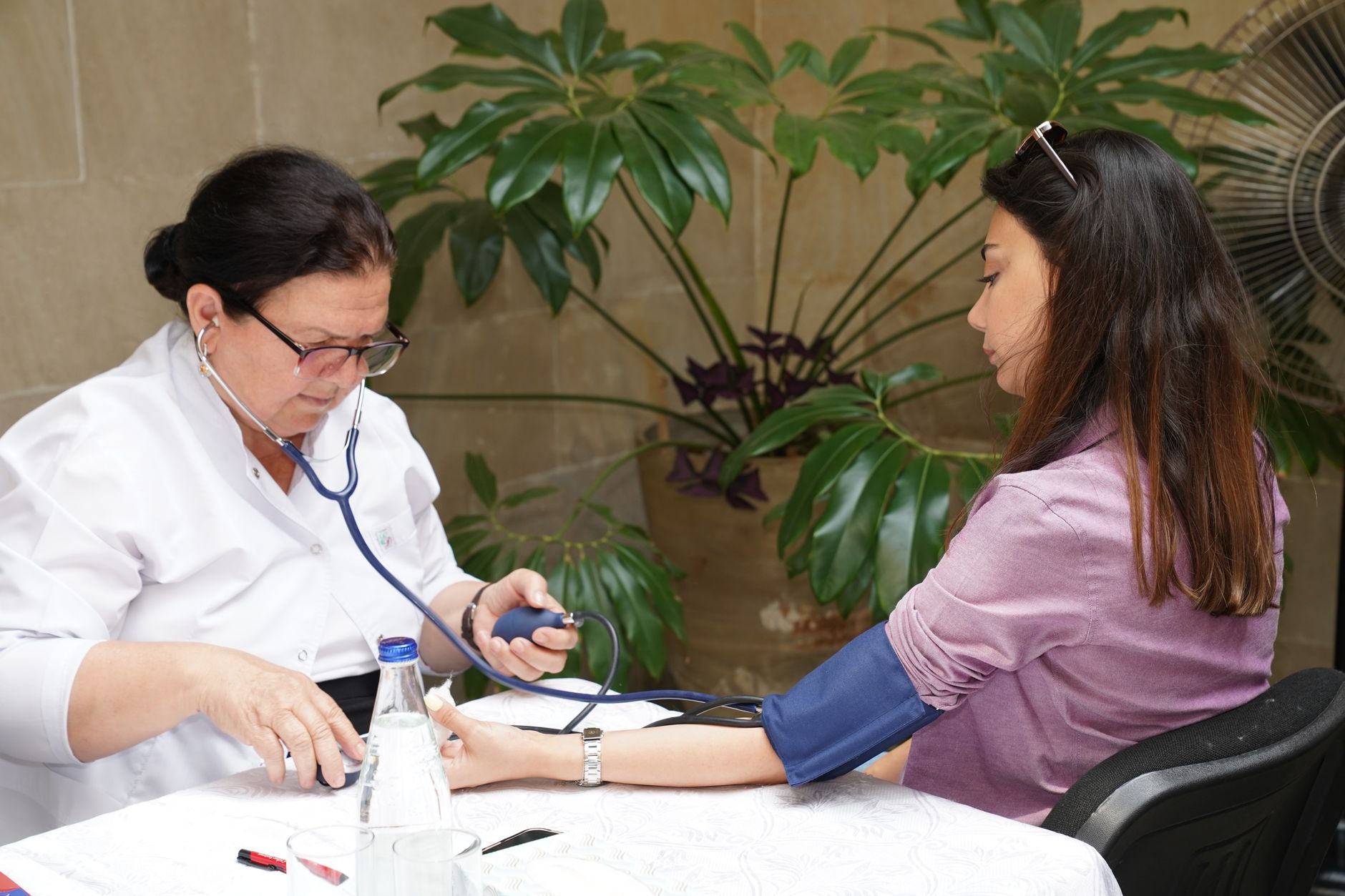
Understanding High Blood Pressure After COVID-19 The COVID-19 pandemic has brought to light numerous health concerns, and one that has emerged is the potential link between the virus and the development or worsening of high blood pressure, also known as hypertension. While the immediate effects of COVID-19 on the respiratory system are well-documented, its longer-term impact on cardiovascular health, particularly blood pressure, is a growing area of concern for healthcare professionals and patients alike. This blog post aims to provide clear, practical information for Indian readers about the relationship between COVID-19 and hypertension, including its symptoms, causes, diagnosis, treatment, and prevention strategies. What is High Blood Pressure (Hypertension)? Blood pressure is the force of blood pushing against the walls of your arteries as your heart pumps it around your body. It's measured in millimeters of mercury (mm Hg) and has two numbers: Systolic pressure (the top number): The pressure in your arteries when your heart beats. Diastolic pressure (the bottom number): The pressure in your arteries when your heart rests between beats. Generally, a blood pressure reading below 120/80 mm Hg is considered normal. However, readings that are consistently higher can indicate hypertension: Stage 1 Hypertension: Systolic pressure between 130 and 139 mm Hg, or diastolic pressure between 80 and 89 mm Hg. Stage 2 Hypertension: Systolic pressure of 140 mm Hg or higher, or diastolic pressure of 90 mm Hg or higher. High blood pressure is a serious condition because it significantly increases the risk of heart attack, stroke, kidney disease, and other health problems. Often, it is called the "silent killer" because it rarely has noticeable symptoms until it causes severe damage. Can COVID-19 Cause High Blood Pressure? Yes, emerging research suggests that COVID-19 can increase the risk of developing new-onset high blood pressure or exacerbate pre-existing hypertension. Studies have indicated that individuals who have had COVID-19 may have a significantly higher likelihood of developing hypertension in the months following their infection compared to those who have not contracted the virus. This risk appears to be higher for individuals who were hospitalized with COVID-19. Potential Mechanisms Linking COVID-19 and Hypertension: Direct Viral Impact: The virus may directly affect the cells lining blood vessels (endothelial cells), leading to inflammation and impaired function, which can contribute to higher blood pressure. Inflammatory Response: COVID-19 triggers a significant inflammatory response throughout the body. This widespread inflammation can affect various organs, including the cardiovascular system, and disrupt blood pressure regulation. Renin-Angiotensin-Aldosterone System (RAAS) Disruption: The virus can interfere with the RAAS, a critical hormonal system that regulates blood pressure and fluid balance. ACE2 Receptor Interaction: SARS-CoV-2, the virus that causes COVID-19, binds to the ACE2 receptor on cells. This receptor plays a role in regulating blood pressure, and its interaction with the virus could potentially lead to imbalances. Stress and Lifestyle Changes: The stress of illness, hospitalization, and the broader pandemic context can also contribute to elevated blood pressure. Symptoms of High Blood Pressure As mentioned, high blood pressure often has no symptoms. This is why regular monitoring is crucial. However, in cases of very high blood pressure or hypertensive crisis, some symptoms might appear, including: Severe headaches Dizziness or confusion Shortness of breath Nosebleeds Chest pain Vision changes Blood in the urine If you experience any of these severe symptoms, seek immediate medical attention. Diagnosis of High Blood Pressure Diagnosing high blood pressure is straightforward and involves regular blood pressure monitoring. A doctor will typically: Measure Blood Pressure: Multiple readings taken over time are necessary to confirm a diagnosis of hypertension. This may involve readings taken in the doctor's office and at home. Review Medical History: Discussing your personal and family medical history, including any recent illnesses like COVID-19, is important. Physical Examination: A general physical exam may be performed. Further Tests: Depending on the severity and suspected causes, your doctor might order blood tests (to check kidney function, cholesterol levels, etc.), urine tests, an electrocardiogram (ECG), or other imaging tests to assess for any organ damage or underlying conditions. Treatment and Management of Post-COVID Hypertension Managing high blood pressure after COVID-19 often involves a combination of lifestyle modifications and, if necessary, medication. The goal is to bring blood pressure back into a healthy range to reduce the risk of serious complications. 1. Lifestyle Modifications: These are the cornerstone of managing hypertension and are often recommended first, especially for mild to moderate cases or in conjunction with medication. Dietary Changes (DASH Diet): Focus on a diet rich in fruits, vegetables, whole grains, lean proteins, and low-fat dairy. Limit saturated fats, cholesterol, and red meat. Reducing sodium (salt) intake is particularly important. Aim for less than 1,500 mg of sodium per day if possible. Regular Physical Activity: Aim for at least 150 minutes of moderate-intensity aerobic exercise per week, such as brisk walking, jogging, swimming, or cycling. Consult your doctor before starting any new exercise program. Weight Management: Losing even a small amount of weight if you are overweight or obese can significantly lower blood pressure. Stress Management: Chronic stress can elevate blood pressure. Techniques like mindfulness, meditation, deep breathing exercises, yoga, spending time in nature, and engaging in hobbies can help manage stress. Limit Alcohol Intake: If you drink alcohol, do so in moderation. Quit Smoking: Smoking damages blood vessels and raises blood pressure. Quitting is one of the best things you can do for your cardiovascular health. Adequate Sleep: Aim for
In summary, timely diagnosis, evidence-based treatment, and prevention-focused care improve long-term health outcomes.