Understanding and Preventing Diarrhea in India
Diarrhea, a common yet often debilitating condition, affects millions in India every year. Characterized by frequent, loose, and watery stools, it can range from a mild inconvenience to a severe health threat, especially for children and the elderly. While various factors can trigger diarrhea, including infections, food poisoning, and certain medical conditions, a significant portion of cases can be prevented through simple yet crucial hygiene practices, careful food handling, and informed lifestyle choices. This guide focuses on practical, actionable steps that individuals and families in India can take to minimize their risk of experiencing diarrhea, ensuring better health and well-being.
The Importance of Hygiene in Diarrhea Prevention
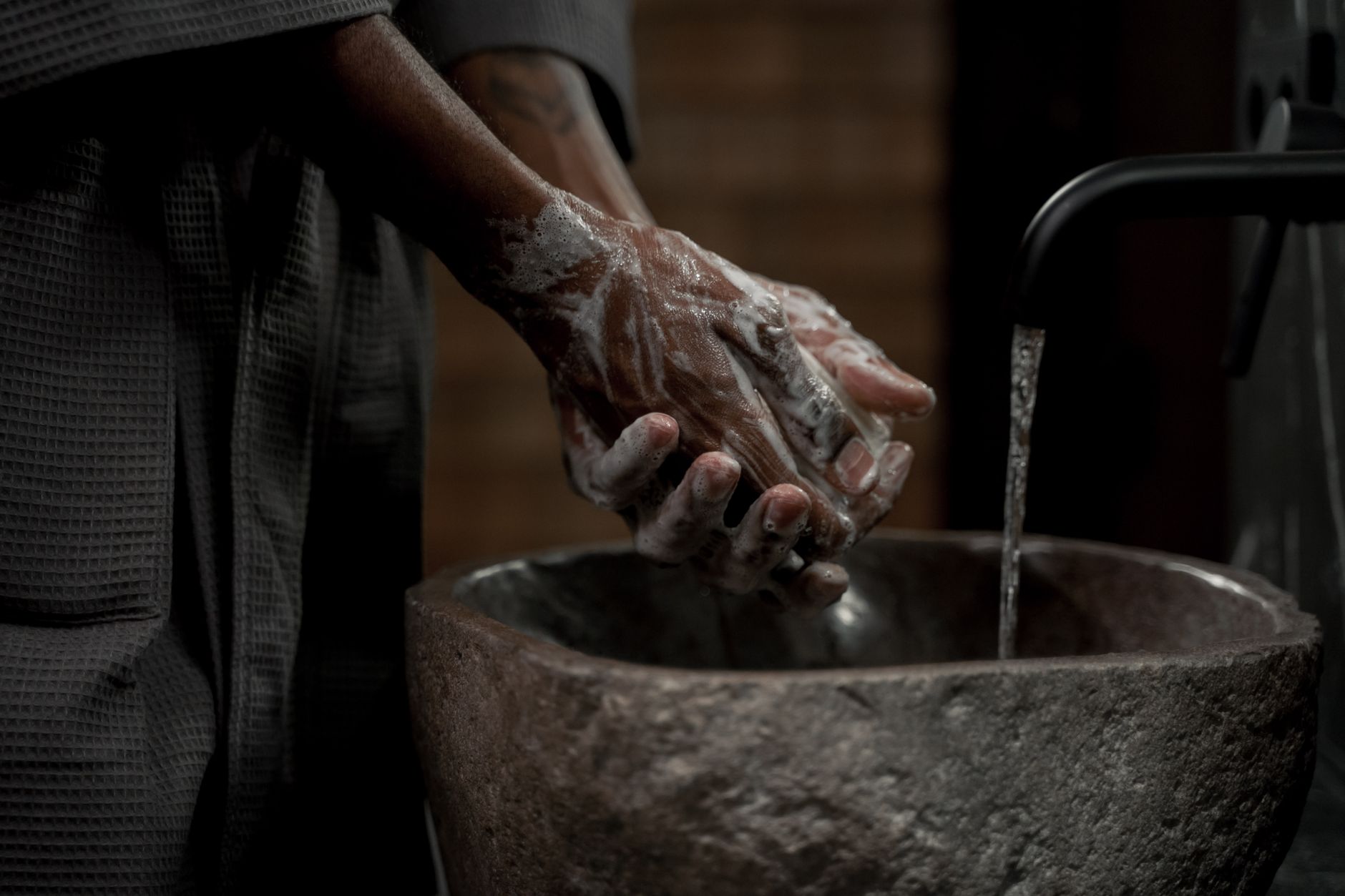
Hand hygiene is the cornerstone of preventing the spread of infectious agents that cause diarrhea. Many diarrheal illnesses are caused by viruses and bacteria that can easily be transmitted through contaminated hands, surfaces, and food.
When and How to Wash Your Hands
- Regular Washing: Wash your hands thoroughly with soap and warm water for at least 20 seconds. This should be done frequently throughout the day, especially before eating or preparing food, after using the toilet, after blowing your nose, coughing, or sneezing, and after touching surfaces in public places.
- Hand Sanitizer: If soap and water are not readily available, use an alcohol-based hand sanitizer with at least 60% alcohol. However, handwashing is always the preferred method for removing visible dirt and germs.
- After Contact with Sick Individuals: If you are caring for someone with diarrhea, meticulous handwashing is essential to prevent transmission.
Safe Food Handling and Preparation
Contaminated food is a major source of diarrhea, particularly food poisoning. Implementing safe food handling practices at home can significantly reduce this risk.
Key Food Safety Practices
- Cooking Thoroughly: Ensure all foods, especially meats like chicken, beef, and fish, are cooked to the correct internal temperature. Using a food thermometer is recommended. Undercooked foods can harbor harmful bacteria. For instance, chicken should reach 165°F (73.8°C) and beef should be cooked to your preferred doneness, ensuring it’s not rare.
- Preventing Cross-Contamination: Keep raw meats, poultry, and seafood separate from other foods during preparation and storage. Use separate cutting boards and utensils for raw meats and ready-to-eat foods. Thoroughly wash and disinfect all surfaces and utensils that have come into contact with raw meat.
- Proper Thawing: Thaw frozen foods safely in the refrigerator, in cold water, or in the microwave. Never thaw food at room temperature, as this allows bacteria to multiply rapidly.
- Reheating Leftovers: Leftovers should be reheated to an internal temperature of 165°F (73.8°C) to kill any bacteria that may have grown.
- Storing Leftovers: Refrigerate or freeze leftovers promptly. Discard any leftovers that have been left at room temperature for more than 2-3 hours (or 1 hour if the ambient temperature is above 90°F/32°C). It’s generally advisable to consume leftovers within 3-4 days.
- Washing Produce: Wash all fruits and vegetables thoroughly under running water before eating, cutting, or cooking them, even if you plan to peel them.
Safe Drinking Water Practices
Contaminated water is another common culprit behind diarrhea, especially when traveling to areas with different water sanitation standards.
Ensuring Safe Water Intake
- Boiling Water: If you are unsure about the safety of your tap water, boiling it for at least one minute (or longer at higher altitudes) is an effective way to kill most harmful microorganisms.
- Filtered Water: Use reliable water filters that are certified to remove bacteria and viruses.
- Bottled Water: Opt for commercially bottled water, especially when traveling, ensuring the seal is intact.
- Avoiding Ice: Be cautious with ice in beverages, as it may be made from contaminated tap water.
- Brushing Teeth: Use safe drinking water (boiled, filtered, or bottled) for brushing your teeth.
Vaccinations and Preventive Healthcare
Certain vaccinations can provide protection against specific causes of diarrhea, particularly in vulnerable populations.
Key Vaccinations
- Rotavirus Vaccine: Rotavirus is a common cause of severe diarrhea in infants and young children. Vaccination is highly recommended and significantly reduces the risk of infection and its complications.
- COVID-19 Vaccine: Diarrhea can be a symptom of COVID-19. Vaccination can help prevent infection and reduce the severity of symptoms, including diarrhea.
- Other Recommended Vaccines: Consult with your doctor about other recommended vaccinations based on your age, health status, and travel plans.
Lifestyle and Dietary Considerations
While not always the direct cause, certain lifestyle and dietary habits can influence your susceptibility to diarrhea.
Tips for a Healthy Gut
- Stay Hydrated: Drink an adequate amount of water throughout the day. Aim for 9-13 cups (approximately 2-3 liters) daily, adjusting based on your activity level and climate. Proper hydration is crucial for overall digestive health.
- Balanced Diet: Consume a balanced diet rich in fiber, fruits, and vegetables. However, if you are prone to diarrhea, introduce high-fiber foods gradually.
- Probiotics: Consider incorporating probiotic-rich foods like yogurt (dahi) or fermented foods into your diet, as they can help maintain a healthy balance of gut bacteria.
- Avoid Risky Foods: Be cautious with street food, especially in areas where sanitation might be questionable. Ensure food is freshly cooked and served hot.
- Travel Precautions: When traveling, especially to regions with different sanitation standards, be extra vigilant about what you eat and drink. Follow the
Additional Medical Guidance
This section adds practical context and preventive advice to help readers make informed healthcare decisions. It is important to verify symptoms early, consult qualified doctors, and avoid self-medication for persistent health issues.
Maintaining healthy routines, following prescribed treatment plans, and attending regular checkups can improve outcomes. If symptoms worsen or red-flag signs appear, immediate medical evaluation is recommended.
Quick Checklist
Track symptoms and duration.
Follow diagnosis and treatment from a licensed practitioner.
Review medication side effects with your doctor.
Seek urgent care for severe warning signs.