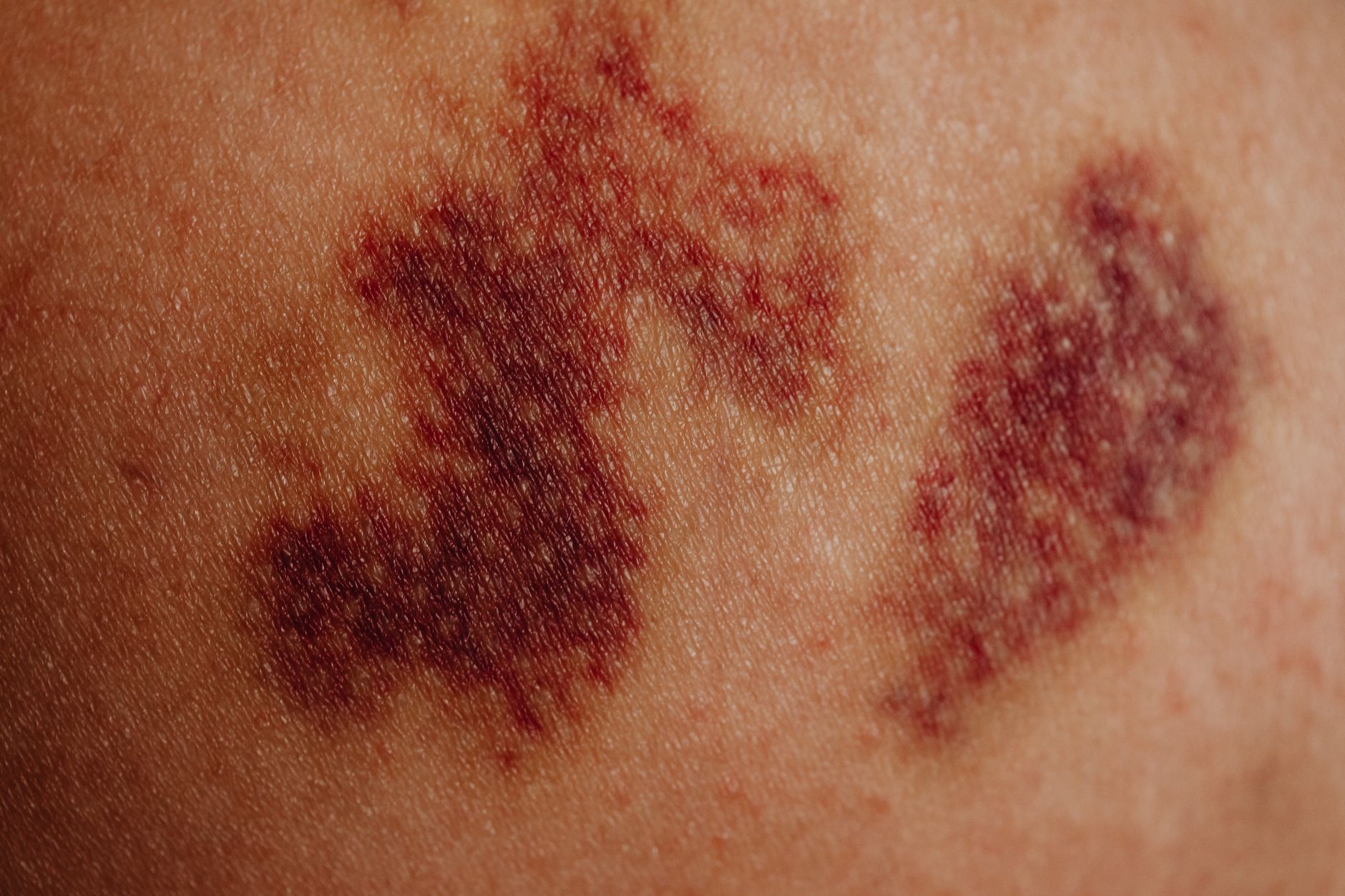
Shingles, medically known as herpes zoster, is a condition that many people associate with a painful, blistering rash. But what exactly causes shingles to appear? It all starts with a virus you're likely very familiar with: the varicella-zoster virus (VZV). Yes, the same virus that causes chickenpox is responsible for shingles. When you have chickenpox, your body fights off the VZV, and for most people, the illness clears up within a week or two. However, the virus doesn't leave your body entirely. Instead, it lies dormant, meaning it rests quietly in your nerve tissues, waiting for an opportunity to reactivate. A strong immune system usually keeps this virus in check. But if your immune defenses weaken, the virus can stir from its slumber and cause shingles.
The Varicella-Zoster Virus: From Chickenpox to Shingles
To understand shingles, we need to go back to chickenpox. Before the varicella vaccine became widely available in 1995, chickenpox was an almost universal childhood experience. Doctors even used to encourage parents to let their children get chickenpox, sometimes through what were called "chickenpox parties," especially if the child was over 10, as the disease could be more severe in older children and adults. Contracting chickenpox in adulthood can lead to serious complications, including lung or brain infections. When you recover from chickenpox, your body develops immunity, making it rare to get chickenpox again. Yet, the VZV virus remains in your system, residing in nerve cells. This dormant state is a permanent condition; the virus stays with you for life. It's only when your immune system is compromised that this virus can reactivate and manifest as shingles.
Who is Most at Risk for Shingles?
While anyone who has had chickenpox can develop shingles, certain factors increase your risk. Age is a significant factor. As we get older, our immune system naturally becomes less robust, making it harder to keep VZV dormant. The risk of shingles increases notably after the age of 50. For instance, a 60-year-old is significantly more likely to develop shingles than a 30-year-old. This is why antiviral medications are often recommended for individuals over 50 or those with weakened immune systems, as they are more prone to severe symptoms and complications.
Here are the primary risk factors:
- Age: Your immune system's ability to fight off viruses declines as you age, especially after 50.
- Weakened Immune System: Conditions or treatments that suppress your immune system are major triggers. This includes diseases like HIV/AIDS, cancers, and treatments such as chemotherapy, radiation therapy, or taking immunosuppressant medications for organ transplants or autoimmune diseases.
- Stress: Significant physical or emotional stress can temporarily weaken your immune system, creating an opening for VZV to reactivate.
- Certain Illnesses: Some chronic illnesses can impact immune function.
Consider Mrs. Sharma, a 55-year-old homemaker who recently went through a period of intense family stress due to her son's medical emergency. She noticed a tingling sensation on her left side, followed by a painful rash. Her doctor diagnosed her with shingles, attributing its activation to the stress that likely compromised her immune system temporarily.
Understanding the Activation Process
When your immune system is strong, it effectively prevents the dormant VZV from reactivating. However, when your immunity dips, the virus can travel along nerve pathways from its dormant location to the skin. This journey causes inflammation and the characteristic symptoms of shingles. The virus doesn't reactivate everywhere; it typically affects a specific nerve pathway, which is why the rash usually appears on only one side of the body and in a specific band or strip pattern, often referred to as a dermatome.
Symptoms to Watch For
The first sign of shingles is often pain, tingling, or itching in a specific area, usually on one side of the body or face. This can occur days before the rash appears. Following this, a red rash develops, which then turns into fluid-filled blisters. These blisters typically crust over within 7 to 10 days and clear up within 2 to 4 weeks.
Common symptoms include:
- Localized pain, burning, or tingling
- A rash of fluid-filled blisters
- Itching
- Sensitivity to touch
- Fever
- Headache
- Fatigue
In some cases, shingles can affect the eye, which is a serious condition requiring immediate medical attention. This is known as ophthalmic shingles.
Diagnosis: How Doctors Identify Shingles
Diagnosing shingles is usually straightforward for a doctor, especially if you have the characteristic rash. Your doctor will likely ask about your medical history, including whether you've had chickenpox or the chickenpox vaccine, and examine the rash. In rare cases, if the diagnosis is unclear, a doctor might send a sample from a blister to a lab for testing to confirm the presence of VZV.
Treatment Options for Shingles
While shingles often resolves on its own, prompt treatment can significantly reduce the severity of symptoms, speed up recovery, and lower the risk of complications. Antiviral medications are the cornerstone of shingles treatment. These medications work best when started within 72 hours of the rash appearing.
Common antiviral medications include:
- Acyclovir
- Valacyclovir
- Famciclovir
Your doctor will prescribe the appropriate medication and dosage based on your health status and the severity of the shingles. For uncomplicated cases, a 7-day course is common. However, if shingles affects your eyes or you have a compromised immune system, your doctor may prescribe the medication for a longer duration.
Pain management is also a critical part of treatment. Over-the-counter pain relievers like paracetamol or ibuprofen can help. For more severe pain, your doctor might prescribe stronger pain medications or topical treatments.
Preventing Shingles: The Role of Vaccination
The best way to prevent shingles is through vaccination. The shingles vaccine (recombinant zoster vaccine, Shingrix) is highly effective at preventing shingles and its complications. The Centers for Disease Control and Prevention (CDC) recommends it for adults aged 50 and older. Even if you've had shingles before, you can still get the vaccine to help prevent future occurrences.
The varicella vaccine, which prevents chickenpox, also plays a role. While it doesn't eliminate the VZV from your body, it significantly reduces the risk of shingles. Studies have shown a substantial decrease in shingles infection rates among vaccinated children compared to unvaccinated ones. However, it's important to remember that the varicella vaccine isn't a 100% guarantee against shingles, as the virus can still reactivate, albeit less commonly.
When to Seek Medical Help
It's essential to consult a doctor as soon as you suspect you have shingles. Early diagnosis and treatment are key to managing the condition effectively and preventing complications. You should seek immediate medical attention if:
- You suspect you have shingles, especially if you are over 50 or have a weakened immune system.
- The rash is spreading rapidly or is very painful.
- The rash is near your eye or involves your eye.
- You develop a fever or severe headache along with the rash.
- You experience signs of a secondary bacterial infection, such as increased redness, swelling, or pus from the blisters.
Remember, timely medical advice can make a significant difference in your recovery and overall well-being. Don't hesitate to reach out to your healthcare provider.
Frequently Asked Questions (FAQ)
Q1: Can I spread shingles to someone who hasn't had chickenpox?
A1: You cannot spread shingles itself. However, you can spread the varicella-zoster virus (VZV) to someone who has never had chickenpox or the chickenpox vaccine. If they contract VZV, they will develop chickenpox, not shingles. The virus spreads through direct contact with the fluid from shingles blisters. Once the blisters have crusted over, you are no longer contagious.
Q2: Does stress really cause shingles?
A2: While stress doesn't directly cause shingles, it can be a significant trigger. Intense emotional or physical stress can weaken your immune system temporarily, making it harder for your body to keep the dormant VZV virus inactive. This weakened immunity can allow the virus to reactivate and cause shingles.
Q3: How long does shingles pain last?
A3: The acute pain associated with the shingles rash typically lasts for 2 to 4 weeks, coinciding with the healing of the blisters. However, some people experience postherpetic neuralgia (PHN), a long-term nerve pain that can persist for months or even years after the rash has cleared. The risk of PHN increases with age.