A sinus infection, medically known as sinusitis, can be a truly uncomfortable experience. It happens when your sinuses, the air-filled cavities in your skull connected to your nasal passages, become inflamed and blocked. This inflammation can be triggered by various factors, including viral infections like the common cold, bacterial infections, allergies, or even environmental irritants. When your sinuses get blocked, mucus can build up, creating a breeding ground for germs and leading to that familiar pressure, pain, and congestion.
Understanding the Different Types of Sinus Infections
Sinus infections are often categorized by how long they last:
- Acute sinusitis: This is the most common type, usually lasting less than 4 weeks. It often follows a cold or other upper respiratory infection.
- Subacute sinusitis: Symptoms persist for longer, typically between 4 and 12 weeks.
- Chronic sinusitis: This is a more persistent condition where inflammation lasts for 12 weeks or longer, despite attempts at treatment. It can be caused by a variety of factors, including allergies and structural issues in the nose.
Recognizing the Signs: Common Sinus Infection Symptoms
The symptoms of a sinus infection can range from mild to severe, and they often mimic those of a bad cold. However, a few key indicators can help you differentiate. You might experience:
- Facial pain and pressure: This is a hallmark symptom, often felt around your eyes, cheeks, forehead, and the bridge of your nose. It can feel like a dull ache or a throbbing pain, and it might worsen when you bend over.
- Nasal congestion: Difficulty breathing through your nose due to swelling and mucus buildup.
- Thick, discolored nasal discharge: Mucus may appear yellow or green. While this can indicate a bacterial infection, it can also occur with viral infections as your body fights them off.
- Reduced sense of smell and taste: Congestion can significantly impact your ability to smell and taste.
- Sore throat and postnasal drip: Mucus dripping down the back of your throat can cause irritation and a cough.
- Cough: Often worse at night due to postnasal drip.
- Fever: A temperature higher than 100.4°F (38°C) can sometimes accompany a sinus infection, especially if it's bacterial.
- Bad breath (halitosis): The buildup of mucus and bacteria can lead to unpleasant breath.
- Fatigue: Feeling generally unwell and tired is common.
What Causes Sinus Infections? Unpacking the Triggers
Several factors can lead to sinusitis. Understanding the cause helps in managing and preventing future episodes:
- Viral infections: The most frequent culprit, often starting with a common cold. Viruses inflame the sinus lining, making them susceptible to blockages.
- Bacterial infections: Sometimes, a viral infection can pave the way for a secondary bacterial infection. These often require medical intervention.
- Fungal infections: Less common, but can occur, especially in individuals with weakened immune systems or certain allergies.
- Allergies: Allergic rhinitis (hay fever) causes inflammation of the nasal passages, which can extend to the sinuses.
- Environmental irritants: Exposure to smoke, pollution, or strong fumes can irritate the nasal passages and sinuses.
- Structural abnormalities: Issues like a deviated septum or nasal polyps can block sinus drainage.
When to Seek Medical Help: Recognizing Warning Signs
While many sinus infections resolve on their own, it's important to know when to consult a doctor. Pay attention to these signs:
- Symptoms that don't improve after 10 days of home care.
- Symptoms that worsen after initially improving (this could signal a secondary bacterial infection).
- Severe facial pain or headache.
- A high fever (above 100.4°F or 38°C) that persists.
- Vision changes, swelling around the eyes, or stiff neck.
- Recurrent sinus infections.
If your doctor suspects a bacterial infection, they might prescribe antibiotics. It's crucial to complete the entire course of antibiotics, even if you start feeling better, to ensure the infection is fully cleared and to prevent antibiotic resistance.
Relief at Home: Effective Strategies for Sinus Infection Recovery
For most sinus infections, especially those caused by viruses, home care plays a vital role in managing symptoms and supporting your body's natural healing process. Here are some practical steps you can take:
1. Stay Well-Hydrated
Drinking plenty of fluids is fundamental for overall health and especially important when you have a sinus infection. Water, herbal teas, and clear broths help thin mucus, making it easier to drain. This reduces pressure and prevents further blockage. Aim for at least 8-10 glasses of fluid a day.
2. Utilize Nasal Irrigation
Nasal irrigation, often done with a neti pot or a saline nasal spray, is a highly effective way to clear nasal passages. It helps wash away mucus, allergens, and irritants. Ensure you use distilled, sterile, or previously boiled and cooled water to avoid introducing contaminants. Follow the instructions carefully for your device:
- Prepare a saline solution (usually 1/4 to 1/2 teaspoon of salt in 8 ounces of warm, distilled water).
- Gently tilt your head over a sink.
- Insert the spout of the neti pot or spray nozzle into one nostril.
- Allow the solution to flow through your nasal passage and out the other nostril.
- Breathe through your mouth during the process.
- Repeat on the other side.
- Clean your neti pot thoroughly after each use.
3. Embrace Steam Therapy
Inhaling steam can help moisten nasal passages, thin mucus, and relieve congestion. You can achieve this in a few ways:
- Hot showers: Simply sitting in a steamy bathroom for 10-15 minutes can provide relief.
- Steam bowls: Carefully lean over a bowl of hot water (not boiling), placing a towel over your head to trap the steam. Inhale deeply through your nose for 5-10 minutes. Be cautious to avoid burns.
- Humidifiers: Using a humidifier in your bedroom, especially at night, can keep the air moist and prevent your nasal passages from drying out. Ensure you clean your humidifier regularly to prevent mold growth.
4. Apply Warm Compresses
A warm compress can be incredibly soothing for facial pain and pressure associated with sinus infections. Soak a clean washcloth in warm water, wring it out, and place it gently over your forehead, eyes, and cheeks. The warmth helps to reduce inflammation and ease discomfort.
5. Consider Over-the-Counter (OTC) Medications
Several OTC options can help manage sinus infection symptoms:
- Pain relievers: Medications like ibuprofen (Advil, Motrin) or acetaminophen (Tylenol) can help reduce fever and alleviate facial pain.
- Decongestants: Nasal sprays (use for no more than 3 days to avoid rebound congestion) or oral decongestants can help shrink swollen nasal tissues, offering temporary relief from congestion. Always consult your pharmacist or doctor if you have underlying health conditions like high blood pressure before using decongestants.
- Saline nasal sprays: These are safe for frequent use and help keep nasal passages moist and clear mucus.
6. Incorporate Antibacterial and Anti-inflammatory Foods
While not a cure, certain foods can support your immune system and potentially help combat infection. Consider adding these to your diet:
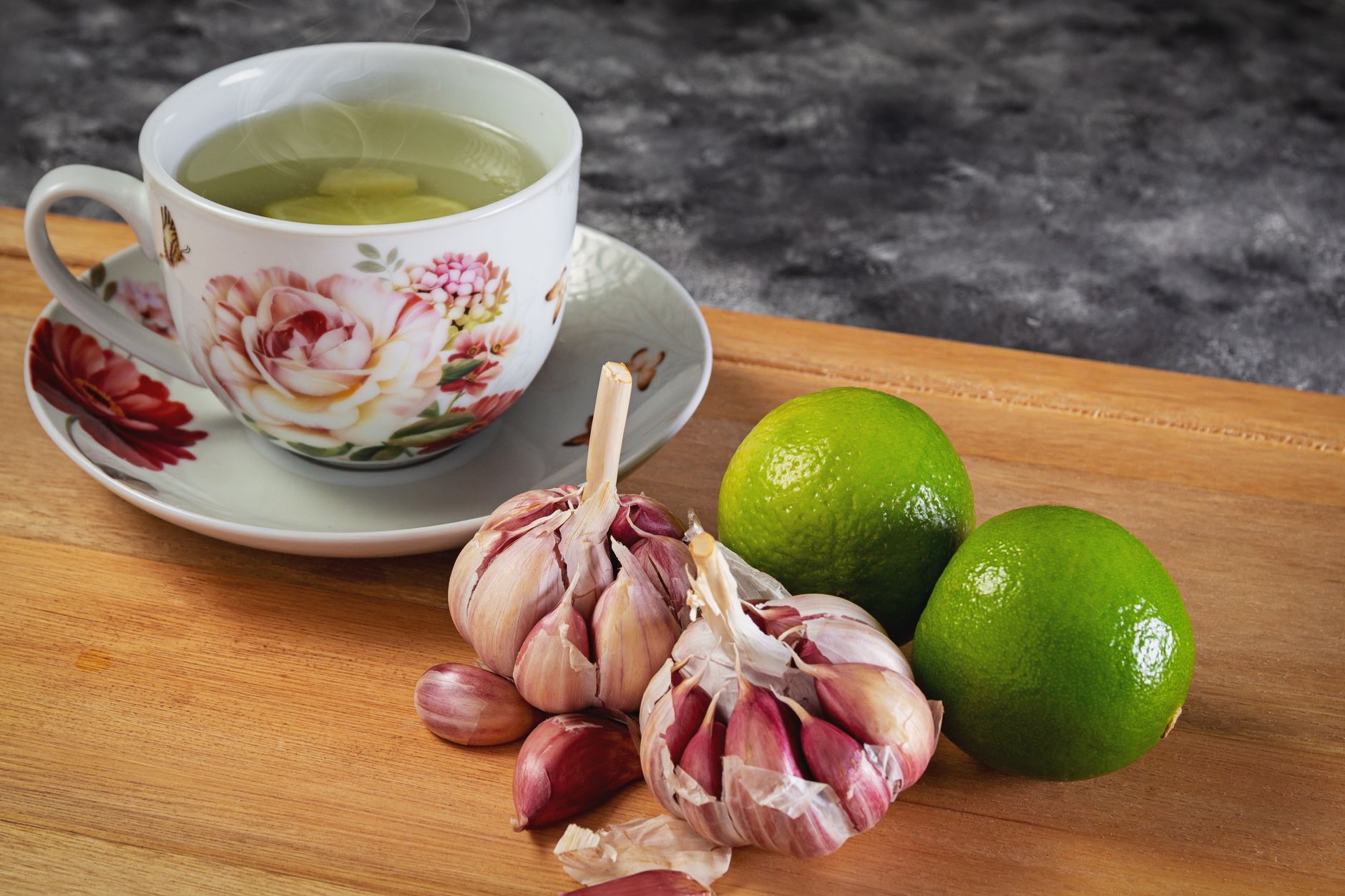
- Garlic: Known for its natural antibacterial properties.
- Ginger: Has anti-inflammatory effects and can help soothe an upset stomach that might accompany illness.
- Honey: Possesses natural antibacterial qualities and can soothe a sore throat. (Note: Do not give honey to children under one year old).
- Berries and leafy greens: Rich in antioxidants and vitamins that support immune function.
- Oily fish (like salmon): Contains omega-3 fatty acids, which have anti-inflammatory properties.
Remember, these dietary additions are complementary to medical advice and treatment, not replacements.
Preventing Future Sinus Infections
Prevention is always better than cure. Here are some tips to reduce your risk of developing sinus infections:
- Practice good hygiene: Wash your hands frequently, especially during cold and flu season, to avoid contracting viruses.
- Manage allergies: If you have allergies, work with your doctor to manage them effectively. Keep your environment clean and free from triggers.
- Avoid irritants: Steer clear of cigarette smoke, strong perfumes, and other airborne irritants that can inflame your nasal passages.
- Stay hydrated: Drink plenty of fluids throughout the day.
- Use a humidifier: Especially in dry climates or during winter months, a humidifier can keep your nasal passages moist.
- Get enough rest: Adequate sleep strengthens your immune system.
Frequently Asked Questions (FAQ)
Can a sinus infection go away on its own?
Yes, most acute sinus infections, especially those caused by viruses, resolve on their own within 2 to 3 weeks without specific medical treatment. Home care measures are important for symptom relief during this time.
Are green or yellow nasal discharge always a sign of a bacterial infection?
Not necessarily. While thick, discolored mucus can indicate a bacterial infection, it can also be a sign that your immune system is actively fighting a viral infection. The color of the mucus alone is not a definitive diagnostic tool.
Is it safe to use saline nasal sprays every day?
Yes, saline nasal sprays are generally safe for daily use and can be very beneficial for keeping nasal passages moist and clear of mucus and irritants. They do not have the same rebound effect as medicated decongestant nasal sprays.
What is the fastest way to cure a sinus infection?
For viral sinus infections, there isn't a rapid
Overall, early action and medically verified advice remain the safest approach.