Understanding Tea Tree Oil: A Natural Antiseptic with Caveats
Tea tree oil, derived from the leaves of the Australian native plant Melaleuca alternifolia, has been a staple in traditional Aboriginal medicine for centuries. Its potent antimicrobial and anti-inflammatory properties have led to its widespread use today in various cosmetic and medicinal applications. From battling acne and dandruff to soothing minor cuts and insect bites, tea tree oil is often hailed as a natural remedy. However, like many potent natural substances, it's not without its risks. Misuse or improper handling can lead to a range of side effects, some of which can be serious. This guide explores the common uses, potential side effects, and essential safety measures to ensure you can harness the benefits of tea tree oil responsibly.
Common Uses of Tea Tree Oil
Tea tree oil's versatility stems from its powerful natural compounds. Here are some of its most common applications:
- Skin Conditions: It's frequently used to treat acne due to its antibacterial and anti-inflammatory effects. Many find it helpful for conditions like athlete's foot, fungal nail infections, and even minor dandruff.
- Wound Care: Traditionally, it was used as an antiseptic for cuts, scrapes, and burns to prevent infection.
- Respiratory Support: In aromatherapy, inhaling diluted vapors is sometimes used to help clear congestion and ease coughs.
- Oral Hygiene: Some toothpaste and mouthwash formulations include tea tree oil for its antimicrobial properties, though internal use is strictly advised against.
- Cosmetic Products: You'll find it in shampoos, lotions, soaps, and deodorants, leveraging its cleansing and antiseptic qualities.
Potential Side Effects of Tea Tree Oil
While generally safe when used correctly, tea tree oil can cause adverse reactions. The type and severity of side effects often depend on how it's used:
Skin Reactions
Direct application of undiluted tea tree oil to the skin is a common cause of irritation. This is particularly true if the oil has degraded due to improper storage (e.g., exposure to light). The most frequent skin-related side effect is contact dermatitis, a form of allergic reaction. This can manifest as:
- Redness
- Itching
- Dryness and flaking
- Rash or bumps
- Swelling
- Blistering (in severe cases)
Individuals with pre-existing skin conditions like eczema or psoriasis may be more susceptible to these reactions. A scenario many readers might relate to: You've heard about tea tree oil for acne and decide to apply a few drops directly to a stubborn pimple before bed. By morning, the area around the pimple is red, itchy, and more inflamed than before, making you regret the quick fix.
Respiratory Irritation
Inhaling concentrated tea tree oil vapors, especially for prolonged periods or in poorly ventilated areas, can irritate the respiratory tract. Symptoms may include:
- Sore throat
- Runny nose
- Headache
- Drowsiness
- Trouble with coordination
Ingestion Toxicity
Crucially, tea tree oil should NEVER be ingested. It is toxic when taken internally and can lead to severe health consequences. Symptoms of poisoning can range from:
- Nausea and vomiting
- Diarrhea
- Drowsiness
- Confusion
- Loss of coordination (ataxia)
- Coma
In cases of ingestion, immediate medical attention is vital. Contacting a poison control center or seeking emergency care is paramount.
Pet Toxicity
Tea tree oil is also highly toxic to pets, including cats and dogs. Studies indicate that both topical application and ingestion can cause serious harm. Symptoms in pets can mirror those in humans, including lethargy, weakness, vomiting, and neurological issues.
Safe Usage Guidelines for Tea Tree Oil
To minimize the risk of side effects, adhere to these safety precautions:
- Never Consume: Absolutely avoid ingesting tea tree oil or any essential oil. Keep them securely stored away from children and pets.
- Dilute Properly: Always dilute tea tree oil before applying it to your skin. Common recommendations suggest dilutions between 1% and 5% for adults. For children or individuals with sensitive skin, use even lower concentrations, typically 0.5% to 2.5%.
- Patch Test: Before applying a diluted mixture to a larger area, perform a patch test on a small, inconspicuous part of your skin (like the inner forearm). Wait 24 hours to check for any adverse reactions.
- Use in Well-Ventilated Areas: If using tea tree oil for aromatherapy, ensure the space is well-ventilated, and avoid prolonged, direct inhalation.
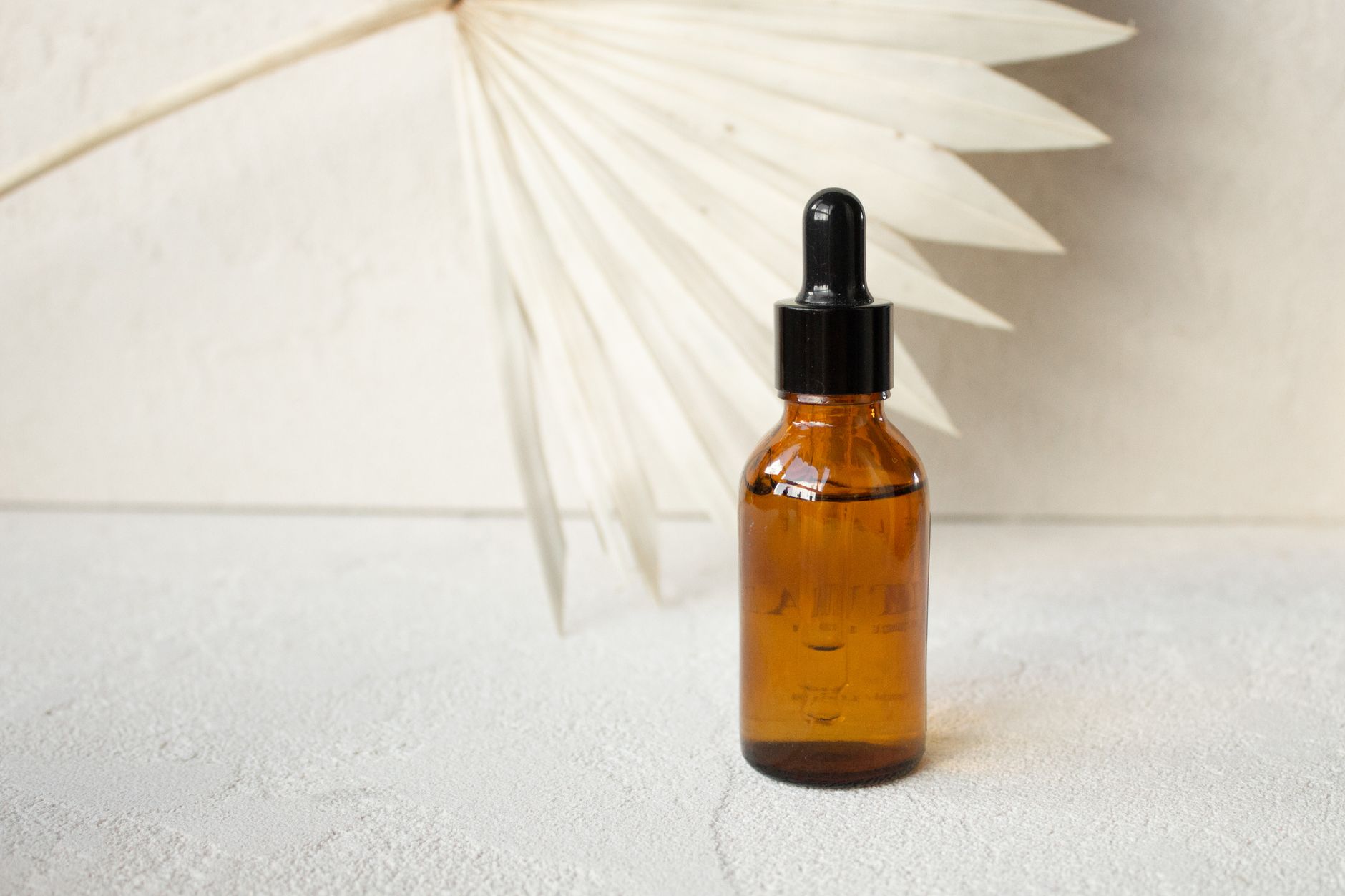
- Proper Storage: Store tea tree oil in a dark, glass container, away from direct sunlight and heat, to maintain its stability and prevent degradation.
- Consider Health Conditions: If you have autoimmune conditions such as eczema, asthma, or lupus, consult your doctor before using tea tree oil, as it may trigger severe allergic reactions.
When to Seek Medical Advice
It's important to listen to your body. Stop using tea tree oil immediately if you notice any signs of irritation or an allergic reaction. If a skin reaction is severe, widespread, or doesn't improve, contact your doctor promptly.
Seek emergency medical help if:
- You or someone else has ingested tea tree oil.
- You experience symptoms of a severe allergic reaction (anaphylaxis), such as difficulty breathing, swelling of the face or throat, rapid heartbeat, dizziness, or a severe rash.
Frequently Asked Questions (FAQ)
Can I apply tea tree oil directly to my skin?
No, it is strongly recommended to dilute tea tree oil with a carrier oil (like coconut, jojoba, or almond oil) before applying it to the skin. Undiluted use can cause irritation and allergic reactions.
Is tea tree oil safe for children?
When used topically and highly diluted (0.5% to 2.5%), it may be safe for older children. However, extreme caution is advised, and it should always be kept out of reach. Never allow children to ingest tea tree oil.
Can tea tree oil treat all skin problems?
While tea tree oil shows promise for certain skin issues like acne and fungal infections due to its antimicrobial properties, it's not a universal cure. More research is needed to confirm its effectiveness for all claimed benefits. It's always best to consult a dermatologist for persistent or severe skin conditions.
What should I do if my pet is exposed to tea tree oil?
If you suspect your pet has ingested or had topical exposure to tea tree oil, contact your veterinarian or an animal poison control center immediately. Do not attempt to induce vomiting unless instructed by a professional.