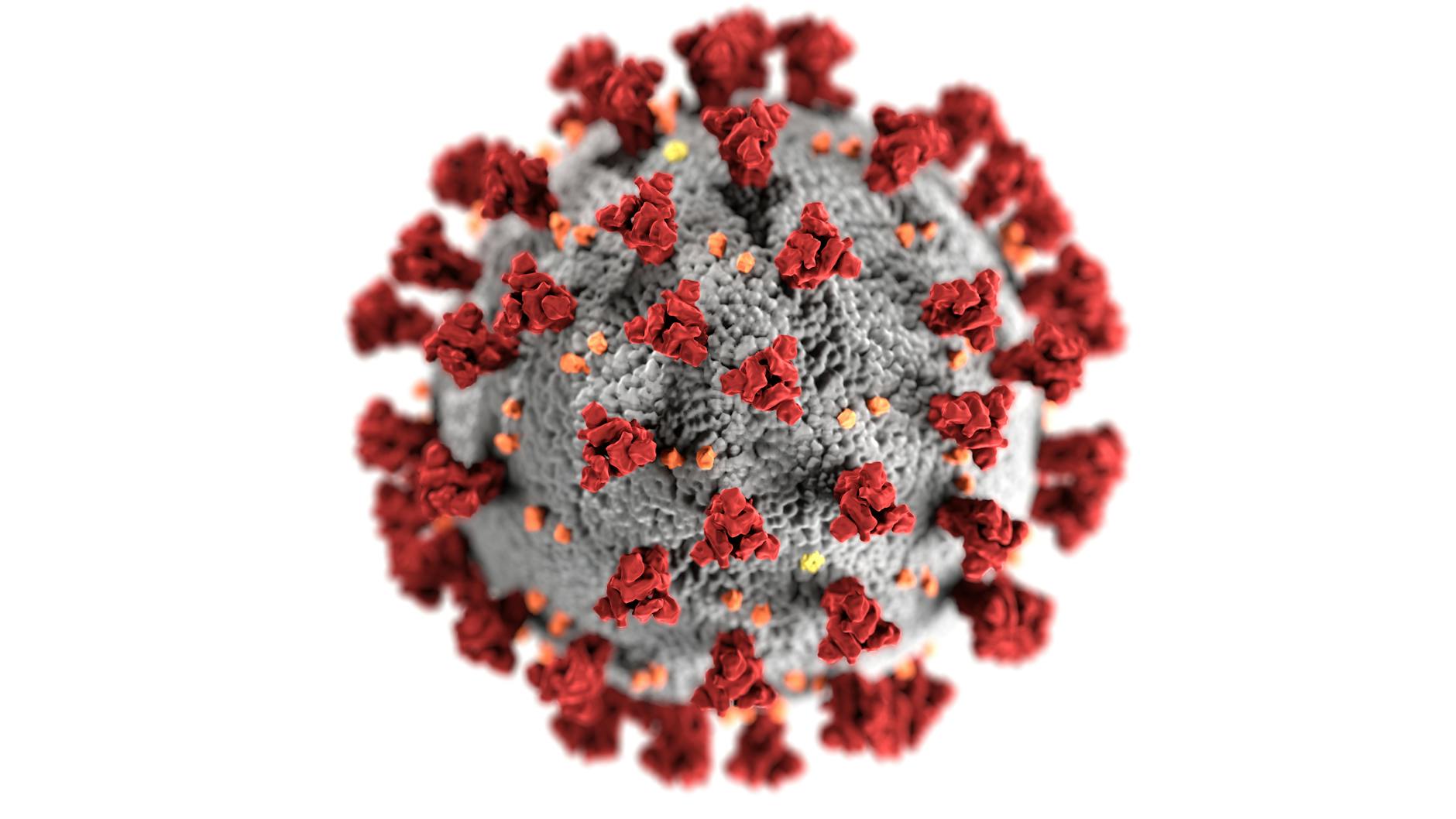
Understanding Tonsillitis: Viral vs. Bacterial Infections Tonsillitis, a common ailment, particularly among children and young adults, refers to the inflammation of the tonsils. These two oval-shaped glands are located at the back of your throat and play a role in your immune system. While the primary symptom of tonsillitis is a sore throat, it can be caused by either viral or bacterial infections, and understanding the difference is crucial for effective treatment and management. This article aims to clarify the distinctions between viral and bacterial tonsillitis, covering their causes, symptoms, diagnosis, treatment, and prevention strategies, with a focus on the Indian context. What is Tonsillitis? Tonsillitis is essentially an inflammation of the tonsils. This inflammation can lead to swelling, redness, and pain in the tonsils, making swallowing difficult and uncomfortable. While it can affect people of all ages, it is most prevalent in children and adolescents between the ages of 5 and 15. Causes of Tonsillitis The root cause of tonsillitis lies in infections, which can be broadly categorized into two types: Viral Infections Viral tonsillitis is the more common form, accounting for the majority of cases. Several viruses can trigger this condition, including those responsible for: The common cold Influenza (the flu) COVID-19 Adenovirus Epstein-Barr virus (which causes mononucleosis) These viruses spread through airborne droplets when an infected person coughs or sneezes, or through direct contact with contaminated surfaces. Bacterial Infections Bacterial tonsillitis, while less common than viral tonsillitis, can sometimes be more severe. The most frequent culprit is the Group A Streptococcus (GAS) bacteria , also known as Streptococcus pyogenes. This bacterium is responsible for strep throat. Bacterial tonsillitis is more likely to occur in children and adolescents, with estimates suggesting it affects between 15% and 30% of children aged 5-15 who seek medical attention for a sore throat, and about 5% to 15% of adults with similar symptoms. Symptoms of Viral vs. Bacterial Tonsillitis Distinguishing between viral and bacterial tonsillitis based on symptoms alone can be challenging, as there is significant overlap. However, some subtle differences may provide clues: Common Symptoms (Both Viral and Bacterial): Sore throat: This is the hallmark symptom, often severe and making swallowing painful. Red and swollen tonsils: The tonsils may appear inflamed and enlarged. Difficulty swallowing (dysphagia): Pain can make it hard to eat or drink. Fever: A common sign of infection. Hoarseness: The voice may sound rough or strained. Swollen lymph nodes in the neck: These glands may become tender and enlarged. Symptoms More Likely with Viral Tonsillitis: Viral infections often come with a broader range of symptoms: Cough Runny nose Congestion Sneezing Milder sore throat compared to bacterial infections. Symptoms More Likely with Bacterial Tonsillitis (Strep Throat): Bacterial infections, particularly strep throat, may present with: Sudden onset of severe sore throat High fever White patches or streaks of pus on the tonsils Tiny red spots (petechiae) on the roof of the mouth Bad breath (halitosis) Absence of cough and cold symptoms. It is important to note that these are general indicators, and a definitive diagnosis often requires medical testing. Diagnosis of Tonsillitis When you visit a doctor with symptoms of tonsillitis, they will typically perform a physical examination of your throat, mouth, and neck. To determine the cause, especially to rule out a bacterial infection, the doctor may recommend one or both of the following tests: Rapid Strep Test: This involves swabbing the back of your throat to collect a sample. The sample is then tested for the presence of Group A Streptococcus bacteria. Results are usually available within minutes. Throat Culture: If the rapid strep test is negative but bacterial infection is still suspected, a throat culture may be performed. The swabbed sample is sent to a laboratory to grow bacteria, which can take 1-2 days. This is considered more accurate than the rapid test. These tests are crucial because the treatment for viral and bacterial tonsillitis differs significantly. Treatment for Tonsillitis The treatment approach for tonsillitis depends entirely on whether it is caused by a virus or bacteria. Treatment for Viral Tonsillitis Since antibiotics are ineffective against viruses, there is no specific medical treatment for viral tonsillitis. The focus is on managing symptoms and allowing the body's immune system to fight off the infection. Home care measures are usually sufficient: Rest: Adequate rest helps the body recover. Hydration: Drink plenty of fluids like water, clear broths, and herbal teas to prevent dehydration and soothe the throat. Pain relief: Over-the-counter pain relievers such as paracetamol (acetaminophen) or ibuprofen can help manage throat pain and fever. Always follow dosage instructions. Soothing remedies: Gargling with warm salt water (half a teaspoon of salt in a glass of warm water), consuming warm liquids, or sucking on ice chips or popsicles can provide relief. Soft foods: Opt for soft, easy-to-swallow foods like soups, mashed potatoes, and yogurt if swallowing is painful. Symptoms of viral tonsillitis typically resolve on their own within 3 to 7 days. Treatment for Bacterial Tonsillitis If a bacterial infection, such as strep throat, is confirmed, your doctor will prescribe a course of antibiotics . It is vital to complete the entire course of antibiotics as prescribed, even if you start feeling better, to ensure the infection is fully eradicated and to prevent complications or the development of antibiotic resistance. Commonly prescribed antibiotics include penicillin or amoxicillin. For individuals allergic to penicillin, alternative antibiotics will be recommended. Surgical Intervention (Tonsillectomy)
In summary, timely diagnosis, evidence-based treatment, and prevention-focused care improve long-term health outcomes.