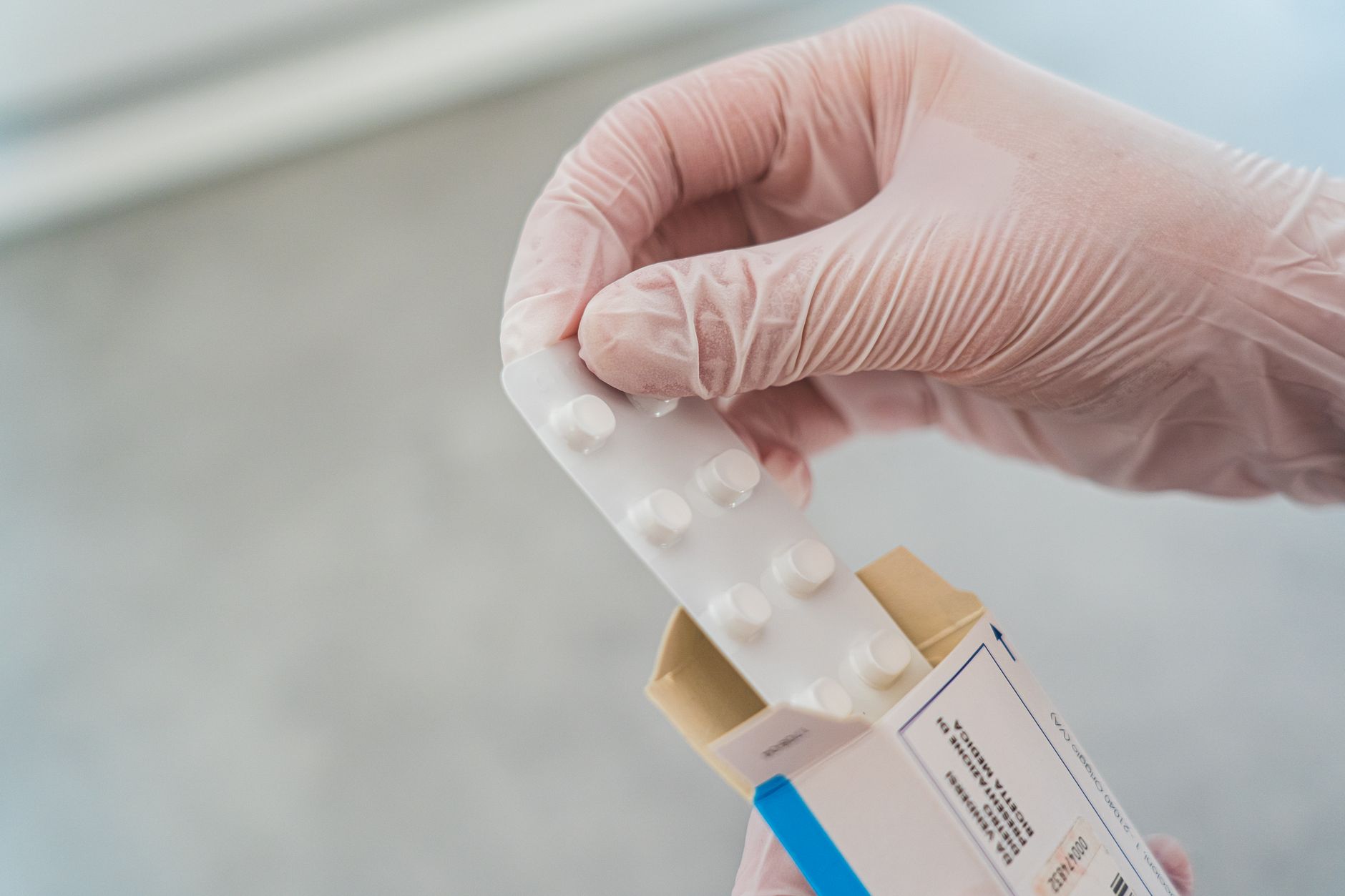
What is an E. coli Urinary Tract Infection (UTI)?
Urinary tract infections (UTIs) are incredibly common. While anyone can get a UTI, females assigned at birth (FAABs) are significantly more likely to experience them compared to males assigned at birth (MAABs). This increased risk for FAABs is largely due to the anatomical differences in their urinary tract. A UTI happens when bacteria make their way into the urinary system, causing an infection. One of the most frequent culprits behind these infections is a type of bacteria called Escherichia coli, or E. coli. In fact, about 80% of all UTIs are caused by E. coli. Normally, E. coli lives quite happily in our intestines, playing a role in digestion. However, if it manages to migrate from the stool into the urethra, it can trigger a UTI. This migration is often the primary way E. coli enters the urinary tract.
Common Symptoms of a UTI
Recognizing the signs of a UTI is the first step towards getting timely treatment. These infections can manifest in several ways, and understanding them can help you seek medical attention sooner. Pay attention to these common indicators:
- A persistent and urgent need to urinate, even when you may not have much urine to pass.
- Feeling a burning sensation or pain during urination.
- Passing cloudy, dark, or unusually strong-smelling urine.
- Experiencing discomfort or pressure in your lower abdomen or pelvic area.
- Passing urine that appears pink, red, or brownish, which might indicate blood in the urine.
When an E. coli Infection Spreads: Kidney Infection Symptoms
While most E. coli UTIs are localized and treatable, there's a risk that the infection can travel upwards to the kidneys. A kidney infection, also known as pyelonephritis, is a more serious condition that requires prompt medical care. If your UTI symptoms worsen or you develop any of the following, it's crucial to contact your doctor immediately:
- Pain in your upper back or sides (flank pain), often on one or both sides where your kidneys are located.
- High fever and chills.
- Nausea and vomiting.
- Feeling generally unwell or experiencing fatigue.
Scenario: Priya noticed she was needing to pee more often and felt a slight burning. She initially dismissed it, thinking she hadn't drunk enough water. However, by the next day, the discomfort had increased, and her urine looked darker than usual. She then remembered a friend mentioning similar symptoms that turned out to be a UTI and decided to call her doctor.
Causes of E. coli UTIs
As mentioned, the primary cause of E. coli UTIs is the migration of E. coli bacteria from the digestive tract to the urethra. Several factors can increase the likelihood of this happening:
- Hygiene Practices: Wiping from back to front after using the toilet can transfer E. coli from the anal region to the urethra, especially in females.
- Sexual Activity: The friction during sexual intercourse can sometimes push bacteria into the urethra.
- Certain Birth Control Methods: Diaphragms and spermicidal agents can alter the vaginal flora, making it easier for E. coli to thrive and cause infection.
- Menopause: Reduced estrogen levels after menopause can lead to changes in the urinary tract, increasing UTI susceptibility.
- Urinary Tract Abnormalities: Structural issues in the urinary tract can impede the free flow of urine, creating a breeding ground for bacteria.
- Catheter Use: Individuals who require urinary catheters are at a higher risk of developing UTIs as the catheter can introduce bacteria.
- Weakened Immune System: Conditions like diabetes or treatments that suppress the immune system can make it harder for the body to fight off infections.
Diagnosing an E. coli UTI
If you suspect you have a UTI, your doctor will likely start with a physical examination and a discussion about your symptoms. The key diagnostic tool is a urinalysis. This simple urine test can detect the presence of bacteria, white blood cells (indicating infection), and red blood cells.
To pinpoint the specific type of bacteria causing the infection and determine its susceptibility to different antibiotics, a urine culture is often performed. This involves growing the bacteria from your urine sample in a lab. The results of the urine culture are vital, especially if you have recurrent UTIs or if the infection doesn't respond to initial treatment. It helps your doctor choose the most effective antibiotic, particularly in light of growing antibiotic resistance.
Treatment for E. coli UTIs
The mainstay of treatment for E. coli UTIs is antibiotics. Because E. coli is a bacterium, antibiotics are effective at killing it. However, the rise of antibiotic resistance means that not all antibiotics work for all strains of E. coli. This is why a urine culture is so important.
Commonly Prescribed Antibiotics:
- Trimethoprim/sulfamethoxazole (Bactrim, Sulfatrim): This is a frequently prescribed combination antibiotic that is effective against many E. coli strains.
- Nitrofurantoin (Macrobid): Another common choice, especially for uncomplicated UTIs.
- Fosfomycin: Often used as a single-dose treatment.
- Fluoroquinolones (e.g., Ciprofloxacin): These are powerful antibiotics typically reserved for more complicated infections or when other treatments fail, due to potential side effects.
- Cephalosporins: A class of antibiotics that can also be used.
The duration of antibiotic treatment usually ranges from a few days to a week for uncomplicated UTIs. For recurrent or severe infections, your doctor might prescribe antibiotics for a longer period, potentially several months, or even administer injected antibiotics in some cases.
Emerging Treatments and Supplements:
Researchers are continually exploring new ways to combat UTIs. One area of interest is the supplement d-mannose. D-mannose is a type of sugar that appears to attach itself to E. coli bacteria, potentially preventing them from sticking to the urinary tract walls and causing infection. While promising, more extensive human studies are needed to confirm its effectiveness and optimal use.
Preventing E. coli UTIs
Preventing a UTI is often easier than treating one. Adopting certain habits can significantly reduce your risk:
- Stay Hydrated: Drink plenty of water throughout the day. This helps to flush bacteria out of your urinary tract. Aim for clear or pale yellow urine.
- Urinate Frequently: Don't hold your urine for long periods. Emptying your bladder regularly helps prevent bacteria from multiplying.
- Wipe Correctly: Always wipe from front to back after urinating and after a bowel movement. This prevents bacteria from the anal area from reaching the urethra.
- Urinate After Sex: Emptying your bladder soon after sexual intercourse can help flush away any bacteria that may have entered the urethra.
- Avoid Irritating Feminine Products: Douches, powders, and scented sprays in the genital area can irritate the urethra and increase the risk of infection.
- Consider Cranberry Products: While scientific evidence is mixed, some studies suggest that cranberry products might help prevent UTIs by making it harder for bacteria to adhere to the bladder wall. However, this is not a proven treatment and should not replace medical advice or treatment.
When to Consult a Doctor
It's important to seek medical advice if you experience any symptoms suggestive of a UTI, especially if:
- You have recurrent UTIs.
- Your symptoms are severe, including high fever, chills, or significant back pain.
- You are pregnant and suspect a UTI.
- You have underlying health conditions like diabetes or a weakened immune system.
- Your symptoms don't improve after a few days of home care or initial antibiotic treatment.
Prompt medical attention is key to preventing complications, such as kidney infections.
Frequently Asked Questions (FAQ)
Can E. coli UTIs be cured?
Yes, E. coli UTIs are generally curable with a course of antibiotics prescribed by a doctor. The key is to complete the full course of medication as directed, even if you start feeling better sooner.
Are E. coli UTIs contagious?
UTIs themselves are not typically considered contagious in the way a cold or flu is. However, E. coli bacteria can be transmitted from person to person through contaminated food or water, or through fecal-oral routes. It's good practice to maintain good hygiene, especially handwashing, to prevent the spread of bacteria.
What happens if an E. coli UTI is left untreated?
If left untreated, an E. coli UTI can spread to the kidneys, leading to a more serious infection called pyelonephritis. This can cause permanent kidney damage and, in severe cases, can lead to sepsis, a life-threatening condition.
Is d-mannose a substitute for antibiotics?
Currently, d-mannose is being investigated as a potential supplement to help prevent UTIs or as an adjunct therapy. It is not considered a replacement for antibiotics in treating an active E. coli UTI. Always consult your doctor before using supplements for medical conditions.