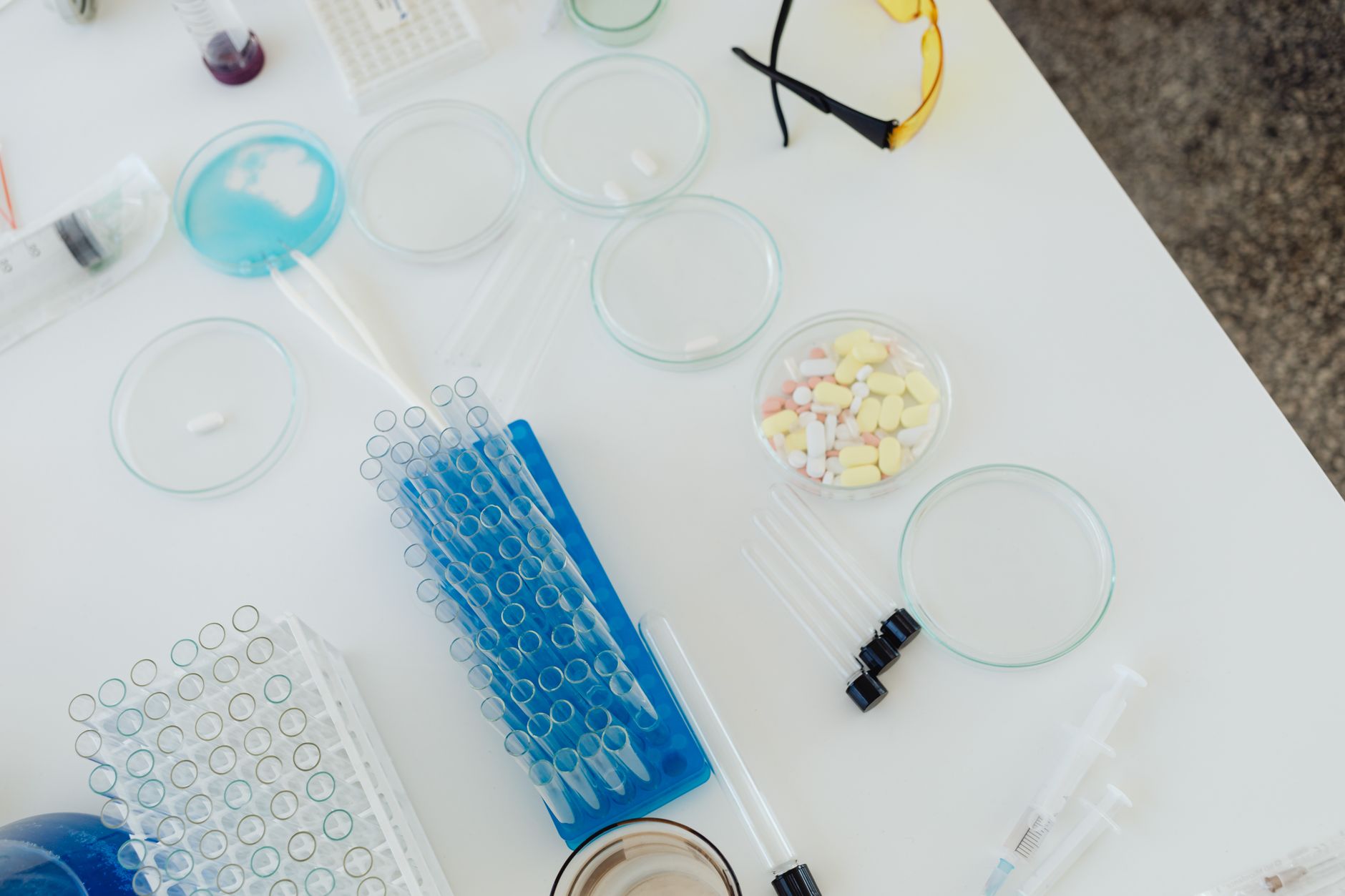
When you fall sick with an infection, the last thing you want is for the treatment to miss the mark. Imagine this: you've been battling a persistent cough and fever for days, and the antibiotic prescribed by your doctor doesn't seem to be helping. It's a frustrating and worrying situation. This is where a crucial medical test called sensitivity analysis , also known as susceptibility testing, comes into play. It's a powerful tool that helps doctors pinpoint the exact medication needed to effectively fight off harmful microorganisms like bacteria and fungi. In India, where infections can be common and antibiotic resistance is a growing concern, understanding this test is vital for patients. It empowers you to have more informed conversations with your healthcare providers and ensures you receive the most effective treatment possible. Let's break down what sensitivity analysis is, why it's important, how it's done, and what the results mean for your health. What Exactly is Sensitivity Analysis? At its core, sensitivity analysis is a laboratory test that checks how well a specific antibiotic can kill the bacteria or other pathogens causing your infection. Think of it as a 'trial and error' for your treatment, but done in a controlled lab setting. It helps determine the 'sensitivity' of the microorganisms to various drugs. Why is this necessary? Because these tiny invaders, like bacteria, can change and adapt over time. An antibiotic that was highly effective a few years ago might not work as well today due to something called antibiotic resistance . This is a major global health challenge, and sensitivity analysis is one of our best defenses against it. It ensures that doctors don't just guess at treatments but use evidence-based choices tailored to the specific 'bug' that's making you sick. Why is Sensitivity Analysis So Important? The significance of sensitivity analysis cannot be overstated, especially in contexts like India where infectious diseases are prevalent and the threat of resistant bacteria is real. Here’s why it’s a cornerstone of effective infection management: Targeted Treatment: It guides your doctor to select the precise antibiotic that will be most effective against the specific type of bacteria or fungus causing your illness. This means faster recovery and less chance of the infection lingering or worsening. Combating Antibiotic Resistance: By identifying which antibiotics the microorganisms are resistant to, the test prevents doctors from prescribing ineffective drugs. This is crucial in slowing down the spread of antibiotic resistance, ensuring that these life-saving medicines remain effective for future generations. Managing Difficult Infections: If an infection isn't responding to initial treatments, a sensitivity analysis can reveal why. It helps doctors understand if the bacteria have developed resistance and guides them toward an alternative, more potent medication. Preventing Recurrence: For infections that tend to come back, like some urinary tract infections (UTIs), sensitivity testing can ensure that the chosen antibiotic is strong enough to eradicate the bacteria completely, reducing the likelihood of recurrence. Consider a scenario: Mrs. Sharma has been experiencing recurring urinary tract infections. Her doctor suspects the bacteria might have become resistant to the usual antibiotics. A sensitivity analysis is ordered to identify a drug that can effectively tackle the specific bacteria causing her discomfort, preventing another painful episode. How is Sensitivity Analysis Performed? The Lab Process The process usually starts with your doctor collecting a sample from the infected area. This could be: A urine sample if you have a suspected UTI. A blood sample if a bloodstream infection is suspected. A swab from a wound, throat, or other infected site. A sputum sample if you have a lung infection. Once collected, this sample is sent to a laboratory. Here’s what happens next: Culture Growth: The sample is placed on a special nutrient-rich medium designed to help any microorganisms present multiply. This is called growing a 'culture'. The bacteria or fungi will grow and multiply over a period, forming visible colonies. Exposure to Antibiotics: Once a sufficient growth of microorganisms is achieved, small discs or solutions containing different antibiotics are introduced to these cultures. Observation and Analysis: The lab technicians carefully observe how the microorganisms react to each antibiotic. This is the critical step where sensitivity is determined. Interpreting the Results: What Susceptible, Resistant, and Intermediate Mean The results of a sensitivity analysis are typically categorized into three main groups: 1. Susceptible (S) This is the best-case scenario! If the microorganisms are 'susceptible' to an antibiotic, it means that the drug is effective in stopping their growth or killing them. Your doctor will likely prescribe an antibiotic from this category for your treatment. 2. Resistant (R) When the microorganisms are 'resistant' to an antibiotic, it means the drug is ineffective. The bacteria can grow and multiply even in the presence of the antibiotic. Prescribing a 'resistant' drug would be a waste of time and could worsen the infection and contribute to resistance. 3. Intermediate (I) This category indicates that the antibiotic might work, but it requires a higher dose or a longer duration of treatment to be effective. Sometimes, the drug might be effective in the body but could lead to more side effects at the higher dose. Doctors consider this option carefully, often when no 'susceptible' drugs are available or suitable. What are the Risks Associated with Sensitivity Analysis? The sensitivity analysis itself, being a laboratory test, carries virtually no risk to you as a patient. The primary risk lies in the sample collection , especially if it involves a blood draw. While generally safe, like any procedure involving needles, there can be minor risks: Slight Pain or Pinching: You might feel a brief discomfort when the needle is inserted. Bruising (Hematoma): A small bruise can form at the injection site if blood leaks under the skin. Minor Bleeding: Some slight bleeding might occur after the needle is removed. Infection: This is very rare, as the skin is cleaned thoroughly before the procedure. Your doctor will always discuss any potential risks with you before collecting the sample and take all necessary precautions to ensure your safety. When Should You Consider a Sensitivity Analysis? Your doctor will typically order a sensitivity analysis in specific situations: When an infection doesn't improve: If your symptoms persist or worsen despite taking a prescribed antibiotic, it's a strong indicator that the bacteria might be resistant. For severe infections: In cases of serious infections, a rapid and accurate identification of the causative agent and its sensitivities is crucial for prompt and effective treatment. Recurring infections: If you frequently suffer from the same type of infection, testing can help identify if resistant strains are the cause. When treating certain types of infections: Some infections, like tuberculosis or specific types of pneumonia, often require sensitivity testing to guide treatment choices. What Happens After the Test? Once the lab sends back the results, your doctor will review them carefully. Based on the findings, they will either: Prescribe a 'Susceptible' Antibiotic: This is the most common outcome, leading to a targeted and effective treatment plan. Consider an 'Intermediate' Antibiotic: If 'susceptible' options are limited, they might choose an 'intermediate' drug, adjusting the dosage and duration accordingly, while monitoring for side effects. Avoid 'Resistant' Antibiotics: Any antibiotic listed as 'resistant' will not be prescribed for your current infection. It's important to follow your doctor's prescription precisely – take the full course of antibiotics as directed, even if you start feeling better. Stopping early can allow surviving bacteria to multiply and potentially develop resistance. Can We Prevent Infections from Becoming Resistant? Yes! Preventing the rise of antibiotic resistance is a shared responsibility. Here’s how you can contribute: Use Antibiotics Only When Prescribed: Never pressure your doctor for antibiotics if they say you don't need them (e.g., for viral infections like the common cold or flu). Complete the Full Course: Always finish the entire course of antibiotics as prescribed by your doctor, even if you feel better. Do Not Share Antibiotics: Never use leftover antibiotics or share them with others. What works for one person might not be right for another. Practice Good Hygiene: Frequent handwashing, proper food handling, and staying up-to-date on vaccinations are excellent ways to prevent infections in the first place. Frequently Asked Questions (FAQs) Q1: Is sensitivity analysis the same as a culture test? A culture test identifies the type of microorganism causing the infection. Sensitivity analysis is performed on the cultured microorganism to determine which antibiotics are effective against it. So, they are often done together but are distinct steps. Q2: How long does a sensitivity analysis take? The time can vary depending on the type of microorganism. It typically takes 24 to 72 hours for bacteria to grow and be tested. Some slower-growing organisms might take longer. Q3: Can sensitivity analysis detect fungal infections? Yes, similar tests can be performed to determine the sensitivity of fungi to antifungal medications. Q4: What if my infection is caused by a virus? Antibiotics are only effective against bacteria, not viruses. Sensitivity analysis is specifically for bacterial or fungal infections. For viral infections,
In summary, timely diagnosis, evidence-based treatment, and prevention-focused care improve long-term health outcomes.