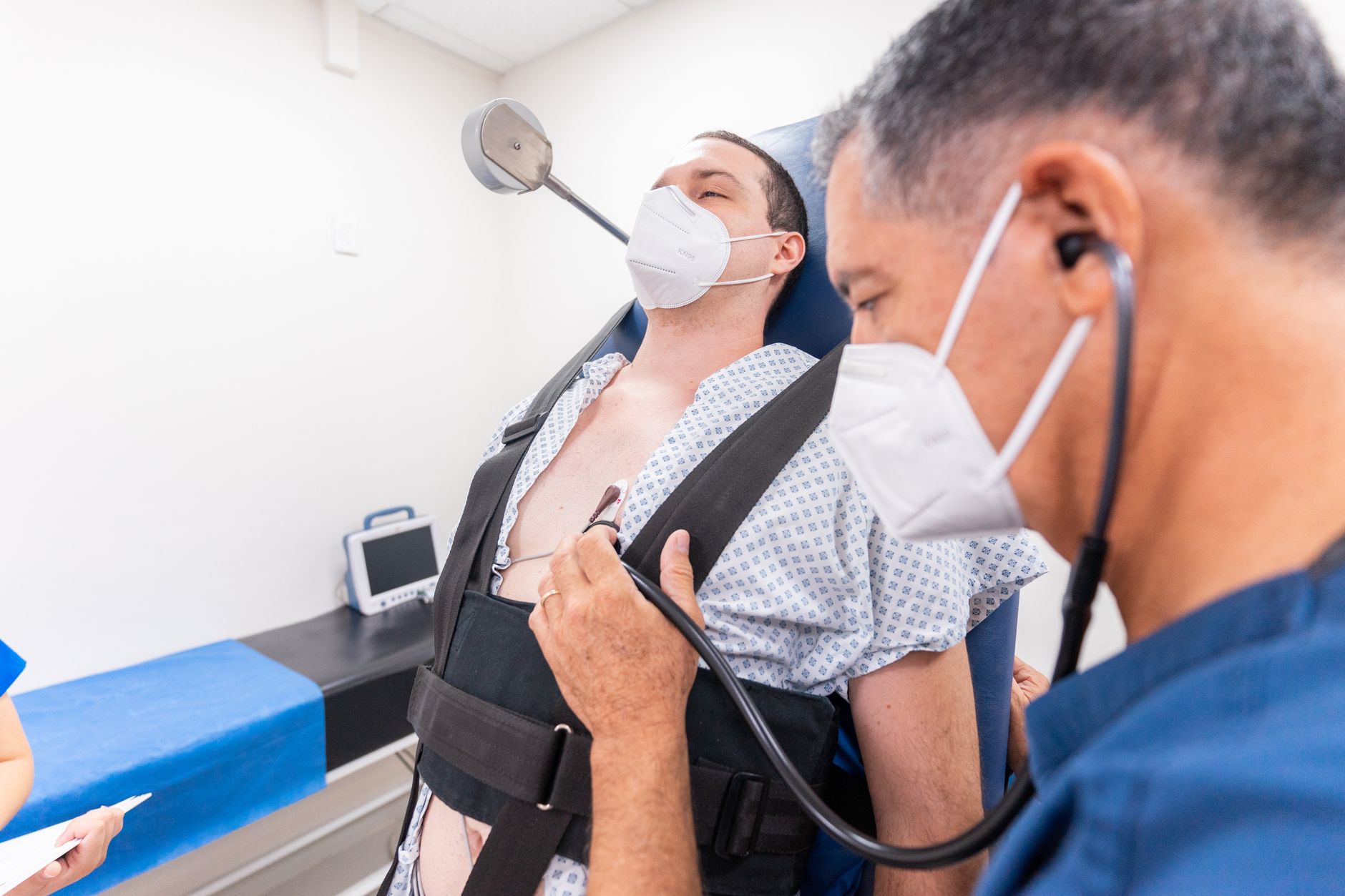
The COVID-19 pandemic brought many medical terms into our everyday vocabulary, and 'ventilator' was one of them. For many, the thought of a ventilator conjures images of critical illness. But what exactly is a ventilator, and how does it help someone battling a severe case of COVID-19? This article aims to demystify these life-saving machines, explaining their function, necessity, and the process of using them, especially for patients in India facing severe respiratory distress.
What is a Ventilator?
A mechanical ventilator is a machine that assists or replaces the natural breathing process when a person is unable to breathe adequately on their own. Essentially, it's a sophisticated device that pumps air, often enriched with a higher percentage of oxygen than regular room air, into the lungs. For patients with severe COVID-19, whose lungs are struggling to function, a ventilator can be a critical lifeline. It doesn't cure COVID-19 itself, but it provides essential support to the lungs, giving the body a chance to fight the infection and recover.
How COVID-19 Affects the Lungs
The virus that causes COVID-19, SARS-CoV-2, primarily targets the respiratory system. When the virus enters your body, typically through the nose, mouth, or eyes, it can travel to your lungs. There, it invades the cells lining your airways. This invasion triggers an inflammatory response. In severe cases, this inflammation can become so intense that it impairs the lungs' ability to perform their crucial function: exchanging oxygen and carbon dioxide. This leads to a buildup of fluid and debris, resulting in a condition known as hypoxemia, where the body is dangerously deprived of oxygen. In the most critical situations, this can progress to acute respiratory distress syndrome (ARDS), a life-threatening condition where the lungs become stiff and unable to inflate properly.
Why Ventilators are Lifesaving in Severe COVID-19
When a patient's lungs are severely compromised by COVID-19, they may not be able to get enough oxygen into their bloodstream or remove enough carbon dioxide. This is where a ventilator becomes indispensable. The machine connects to the patient via a breathing tube (endotracheal tube) inserted down the throat and into the windpipe. The ventilator then takes over, or assists with, the breathing process. It delivers oxygen-rich air into the lungs, helps maintain optimal air pressure to keep the airways open, and assists in removing carbon dioxide. This support is vital for maintaining the body's oxygen levels and balancing blood pH, allowing the patient's immune system to combat the virus.
During the initial waves of the pandemic, a significant percentage of patients admitted to intensive care units (ICUs) required mechanical ventilation. While medical professionals have since gained more knowledge about treating COVID-19, leading to a reduced reliance on ventilators in some cases, they remain a critical intervention for those with severe respiratory failure.
The Process of Ventilation
Putting a patient on a mechanical ventilator is a serious medical procedure performed in an ICU setting. Here's generally what happens:
- Intubation: A healthcare professional will insert a flexible tube (endotracheal tube) through the patient's mouth or nose, down the throat, and into the trachea (windpipe). This tube is then connected to the ventilator.
- Sedation: To ensure the patient remains comfortable and to prevent them from fighting the breathing tube or machine, they are typically given sedatives. In cases of severe respiratory distress, deep sedation may be necessary.
- Ventilator Settings: Doctors and respiratory therapists carefully adjust the ventilator settings. These include the rate of breaths per minute, the volume of air delivered with each breath, and the amount of oxygen. These settings are tailored to the individual patient's needs and are monitored closely.
- Monitoring: The patient's oxygen levels, carbon dioxide levels, breathing patterns, and overall condition are continuously monitored. Adjustments to the ventilator settings are made as needed.
Potential Complications and Risks
While ventilators are life-saving, using them is not without risks. It's considered a high-risk procedure, and potential complications include:
- Pneumonia: The breathing tube can introduce bacteria or viruses into the lungs, increasing the risk of developing pneumonia, a lung infection.
- Sinus Infections: Patients on ventilators are also at a higher risk for sinus infections.
- Lung Injury: Though rare with modern techniques, there's a risk of lung damage from the pressure of the air being delivered.
- Atelectasis: This is a condition where the lungs may not fully expand.
- Damage to Airways: The breathing tube can cause cuts or irritation to the lips, tongue, throat, or trachea.
It's important to remember that these risks are weighed against the life-threatening consequences of not receiving respiratory support. Medical teams work diligently to minimize these risks through careful management and sterile techniques.
Coming Off the Ventilator (Weaning)
The goal is always to get the patient breathing on their own again. The process of weaning a patient off a ventilator can take time, ranging from days to months, depending on the severity of their illness and their recovery progress. As the patient's lungs heal and their strength returns, the ventilator settings are gradually reduced. They might start taking more breaths on their own, with the machine providing less support. Eventually, when the patient can breathe adequately and consistently without assistance, the breathing tube is removed (extubation).
When to Seek Medical Help for Breathing Difficulties
COVID-19 symptoms can range from mild to severe. While most people recover without needing hospitalization, some develop serious respiratory issues. You should seek immediate medical attention if you or someone you know experiences:
- Severe shortness of breath or difficulty breathing
- Persistent chest pain or pressure
- New confusion or inability to wake or stay awake
- Bluish lips or face
These could be signs of severe illness requiring urgent care. Don't delay seeking help if you experience these symptoms.
A Real-Life Scenario
Consider Mr. Sharma, a 65-year-old man from Delhi who tested positive for COVID-19. After a week at home with mild symptoms, he developed a severe cough and found it increasingly difficult to catch his breath. His oxygen saturation levels dropped significantly. His family rushed him to the hospital, where the doctors determined he had developed severe pneumonia and ARDS. He was admitted to the ICU and, due to his critical condition and inability to breathe on his own, was placed on a mechanical ventilator to support his lungs while his body fought the infection.
Frequently Asked Questions (FAQs)
What's the difference between a ventilator and an oxygen mask?
An oxygen mask delivers supplemental oxygen directly to the patient, but the patient is still breathing on their own. A ventilator, on the other hand, actively breathes for the patient or assists their breathing by delivering pressurized air and oxygen, often through a breathing tube.
Is being on a ventilator the same as being in a coma?
No. Patients on ventilators are often sedated to ensure comfort and prevent them from interfering with the machine. However, sedation is not the same as a coma. A coma is a state of prolonged unconsciousness. While deeply sedated patients may appear unresponsive, they are not necessarily in a coma.
Can a person recover after being on a ventilator?
Yes, many people can and do recover after being on a ventilator. Recovery depends on many factors, including the underlying illness, the patient's overall health, and how long they were on the ventilator. The weaning process is carefully managed to facilitate recovery.
Are ventilators available in all Indian hospitals?
Ventilators are standard equipment in most major hospitals, especially in ICUs. However, during surges of severe illness like the COVID-19 pandemic, there can be challenges with availability in certain regions or smaller facilities. It's always best to confirm with the specific hospital.