The great outdoors offers so much joy, from refreshing hikes to gardening and enjoying picnics. However, some plants can pose unexpected risks, and one such plant is the wild parsnip. While its roots are edible, the sap of the wild parsnip contains a compound that can cause painful skin reactions when exposed to sunlight. This condition, known as phytophotodermatitis, can turn a pleasant day into a difficult one. Let's explore what wild parsnip burns are, how to identify them, and most importantly, how to prevent and treat them.
What is Wild Parsnip and Phytophotodermatitis?
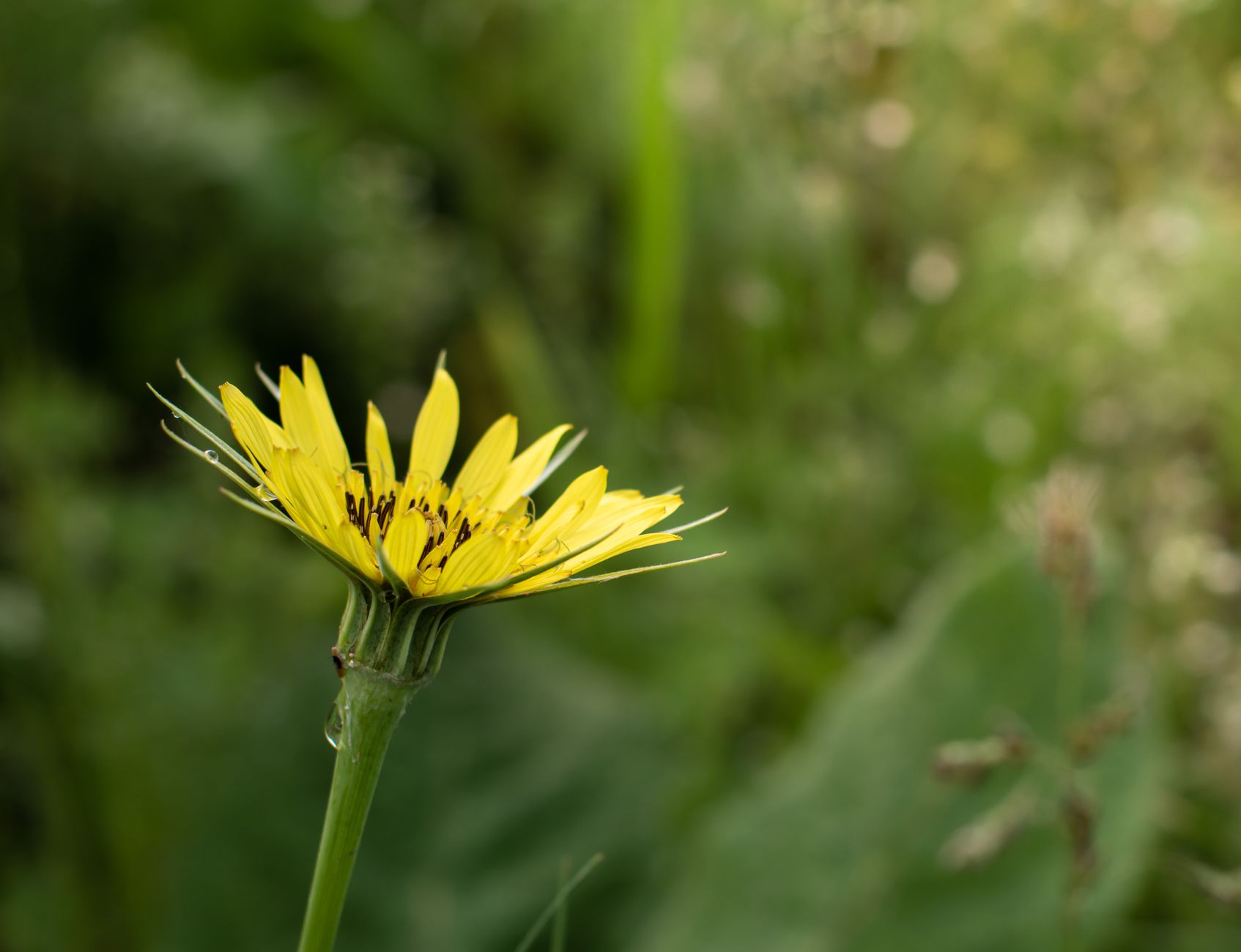
Wild parsnip (Pastinaca sativa) is a plant that looks similar to its cultivated cousin, but with a crucial difference when it comes to its sap. This tall plant, which can grow up to 4 feet, features hollow stems with vertical grooves and yellowish-green leaves. It's topped with flat clusters of yellow flowers. The plant's sap contains a group of chemicals called furanocoumarins. When this sap comes into contact with your skin, and that skin is subsequently exposed to ultraviolet (UV) light from the sun, a reaction occurs. This isn't an allergic reaction or an immune response; rather, it's a photosensitive reaction where the furanocoumarins make your skin significantly more sensitive to sunlight. This sensitivity leads to inflammation and what we call a wild parsnip burn, or phytophotodermatitis.
Phytophotodermatitis is a broader term that applies to skin reactions caused by sap from various plants containing furanocoumarins. Other plants can also trigger this reaction, so it's good to be aware of them if you spend a lot of time outdoors.
Recognizing the Symptoms of Wild Parsnip Burns
The onset of symptoms typically occurs about 24 hours after your skin has been exposed to wild parsnip sap and then to sunlight. The initial feeling is often an intense, localized burning sensation. Following this, a red rash begins to appear. Over the next few days, the rash can worsen, sometimes developing severe blisters. It’s not always dramatic, though. Some individuals might not experience significant redness or blistering. Instead, they may notice irregular patches on their skin. These patches can appear as linear streaks, random clusters of small spots, or even spots that resemble fingerprints.
A common scenario is when someone is gardening or hiking and brushes against a wild parsnip plant without realizing it. They might feel a slight sting but dismiss it. Later that day or the next morning, they notice a red, painful area on their skin, perhaps shaped like a leaf or stem they touched. As the burn heals, the affected skin might become lighter or darker than the surrounding skin. This discoloration and increased sensitivity to sunlight can unfortunately linger for up to two years.
What Happens Next?
Initially, the burned skin cells will die off and eventually flake away, much like after a severe sunburn. While the acute symptoms usually start to improve after about 3 days, the lingering effects can be a concern.
When to Seek Medical Help for Wild Parsnip Burns
For most mild cases, wild parsnip burns can be managed at home. However, there are situations where medical attention is necessary. You should consult a doctor if:
- The burn is severe, with extensive blistering.
- You suspect an infection. Signs of infection include increased redness, warmth, swelling, pus drainage, or fever.
- The pain is unmanageable with over-the-counter pain relievers.
A doctor can prescribe stronger topical steroids or even oral medications to help control the inflammation and discomfort. Prompt medical care is especially important for severe blistering to prevent infection and promote healing.
Managing Wild Parsnip Burns at Home
If you discover you’ve had contact with wild parsnip sap and notice symptoms developing, here’s what you should do:
Immediate Steps After Contact
As soon as you realize your skin has come into contact with wild parsnip sap, the most critical step is to wash the affected area thoroughly with mild soap and warm water. Even after washing, your skin might remain sensitive for about 8 hours. During this time, it's vital to keep the area completely out of the sun and away from any UV light. This initial washing and protection can significantly reduce the severity of the reaction.
Treating Developed Burns
Once a burn has developed, the focus shifts to managing symptoms and preventing further damage:
- Cool Compresses: Apply ice packs or cool, wet cloths to the affected area to help soothe the burning sensation and reduce inflammation.
- Over-the-Counter Relief: For mild to moderate burns, an over-the-counter (OTC) hydrocortisone cream can help calm the inflammation and relieve itching. OTC pain relievers like ibuprofen or acetaminophen can also help manage pain.
- Sun Protection is Key: This is non-negotiable. Keep the affected skin completely covered and out of the sun. If you must expose it, use a high-SPF sunscreen specifically on the affected area to prevent further darkening and irritation.
Preventing Wild Parsnip Burns
The best approach to dealing with wild parsnip burns is prevention. Since the plant is common in many areas, especially throughout the northern United States and southern Canada, it's wise to take precautions:
- Dress Appropriately: When hiking, gardening, or engaging in any outdoor activities in areas where wild parsnip might be present, wear long sleeves, long pants, closed-toe shoes, and gloves. This physical barrier is your first line of defense.
- Be Aware of Your Surroundings: Learn to identify wild parsnip. Its tall stature, yellow flower clusters, and grooved stem are distinctive features. Be mindful when you're in fields, along roadsides, or in wooded areas.
- Educate Your Family: Ensure children understand the risks and know not to touch unfamiliar plants, especially tall ones with yellow flowers.
Frequently Asked Questions (FAQ)
Is wild parsnip the only plant that causes phytophotodermatitis?
No. While wild parsnip is a common culprit, other plants containing furanocoumarins can also cause phytophotodermatitis. These include common rue, Queen Anne's lace, and various citrus fruits (especially their peels).
How long does a wild parsnip burn last?
The initial burn and blistering usually resolve within a week or two. However, the discoloration and increased sensitivity to sunlight in the affected area can persist for up to two years. Consistent sun protection is vital during this period.
Can I still eat wild parsnip?
The roots of the wild parsnip are indeed edible and have been a food source historically. However, extreme caution is advised. You must be absolutely certain of your identification, and proper preparation is essential to remove any potentially irritating compounds. For most people, it's safer to avoid consuming wild parsnip unless guided by an expert.
What should I do if I just touched wild parsnip but don't have symptoms yet?
Immediately wash the area thoroughly with soap and water. Then, keep that skin covered and out of direct sunlight for at least 24-48 hours to prevent a reaction from developing.