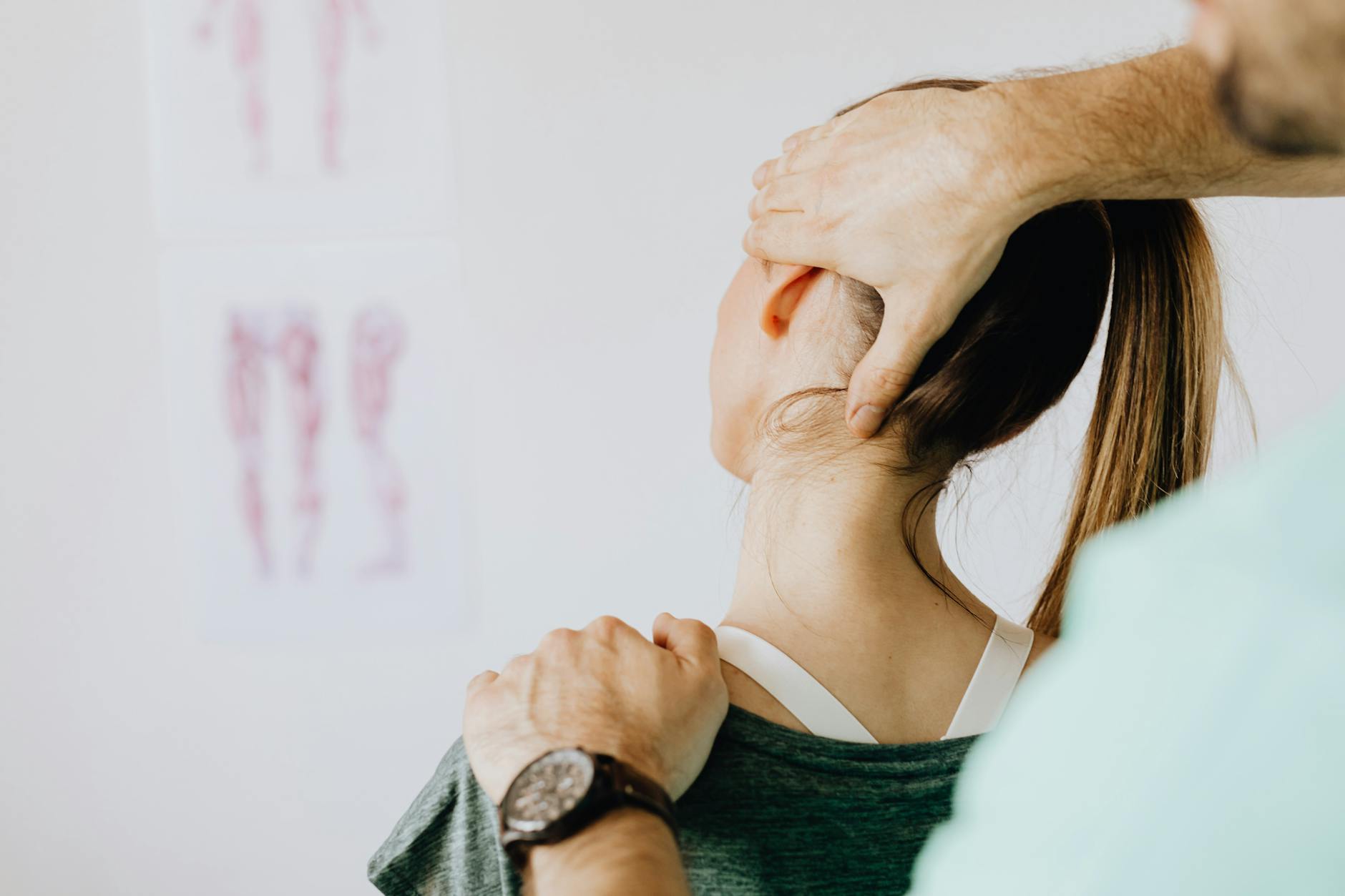
Ankylosing Spondylitis (AS) is a chronic inflammatory disease that primarily affects the spine. It can also impact other parts of the body, leading to pain, stiffness, and, in some cases, fusion of the vertebrae. For many in India, understanding this condition is the first step towards effective management and a better quality of life. This guide aims to provide a clear, practical overview of AS, tailored for the Indian context.
What Exactly is Ankylosing Spondylitis?
Imagine your spine as a stack of building blocks. In Ankylosing Spondylitis, the immune system mistakenly attacks the joints in your spine, particularly where the spine meets the pelvis (the sacroiliac joints). This inflammation, known as sacroiliitis, can lead to pain and stiffness. Over time, if left unmanaged, new bone may form, causing some of the vertebrae to fuse together. This fusion can reduce the spine's flexibility, making it harder to move and potentially leading to a hunched posture, known as a kyphotic curve.
While the spine is the main target, AS can also cause inflammation in other joints, such as the hips and shoulders. It can also affect other parts of the body, including the eyes (uveitis), the lungs, and the heart. The onset is typically gradual, often starting in late adolescence or early adulthood, and it tends to affect men more frequently than women, though women can also develop AS, sometimes with different symptom patterns.
Spotting the Signs: Common Symptoms of Ankylosing Spondylitis
The hallmark symptom of AS is persistent lower back pain and stiffness, especially in the morning or after periods of inactivity. This pain often improves with physical activity and worsens with rest. It's a distinct pattern that sets it apart from mechanical back pain.
Key Symptoms to Watch For:
- Chronic Back Pain and Stiffness: Typically starts in the lower back and buttocks, often worse in the morning and after rest. It may gradually move up the spine.
- Pain that Improves with Activity: Unlike many other back issues, exercise and stretching often provide relief.
- Reduced Spinal Flexibility: Over time, you might notice it becomes harder to bend forward, backward, or sideways.
- Fatigue: Feeling unusually tired is common, as inflammation takes a toll on the body.
- Other Joint Pain: Inflammation can affect hips, shoulders, ribs, and heels.
- Eye Inflammation (Uveitis): This is a common complication, causing redness, pain, and blurred vision. Seek immediate medical attention if you experience these symptoms.
- Enthesitis: Pain and tenderness where tendons or ligaments attach to bone, often felt in the heels or shoulder blades.
Consider Priya, a 30-year-old graphic designer from Mumbai. She initially dismissed her persistent morning back pain as a result of long hours at her desk. However, the stiffness was so severe she struggled to get out of bed, and it didn't ease much even after a hot shower. Over several months, she also noticed pain in her hips and a recurring redness in one eye. Her experience highlights how AS symptoms can be insidious and mimic other common ailments.
Unraveling the Causes: Why Does Ankylosing Spondylitis Happen?
The exact cause of AS is not fully understood, but it's believed to be a complex interplay of genetic and environmental factors. The strongest genetic link is with a gene called HLA-B27. Most people with AS carry this gene, but it's important to remember that not everyone with HLA-B27 develops AS. Other genes also play a role, and research is ongoing to identify them.
The prevailing theory is that in genetically predisposed individuals, certain infections or environmental triggers might activate an abnormal immune response. This leads the immune system to attack the body's own tissues, causing the characteristic inflammation.
Diagnosing Ankylosing Spondylitis: A Multi-faceted Approach
Diagnosing AS can sometimes be challenging because its symptoms can overlap with other conditions. A doctor will typically use a combination of your medical history, a physical examination, and diagnostic tests.
Diagnostic Steps:
- Medical History and Physical Exam: Your doctor will ask detailed questions about your symptoms, their onset, and what makes them better or worse. They will also perform a physical exam to assess your range of motion, check for tenderness, and evaluate your posture.
- Imaging Tests:
- X-rays: These can reveal changes in the sacroiliac joints and spine, such as inflammation, erosion, or fusion.
- MRI (Magnetic Resonance Imaging): An MRI is often more sensitive than X-rays, especially in the early stages. It can detect inflammation in the sacroiliac joints and spine even before visible changes appear on X-ray.
- Blood Tests: While there's no specific blood test for AS, doctors may check for markers of inflammation, such as the erythrocyte sedimentation rate (ESR) or C-reactive protein (CRP). They may also test for the HLA-B27 gene, although a positive result doesn't confirm the diagnosis, and a negative result doesn't rule it out.
A rheumatologist, a doctor specializing in arthritis and related conditions, is usually the specialist who diagnoses and manages AS.
Managing Ankylosing Spondylitis: Strategies for Relief and Function
While there is no cure for AS, effective management strategies can significantly reduce pain, stiffness, and inflammation, helping you maintain mobility and improve your quality of life. The approach is usually multi-pronged, involving medication, physical therapy, and lifestyle adjustments.
Treatment Options:
- Medications:
- Nonsteroidal Anti-inflammatory Drugs (NSAIDs): These are often the first line of treatment to relieve pain and stiffness. Examples include ibuprofen or naproxen.
- Disease-Modifying Antirheumatic Drugs (DMARDs): Medications like sulfasalazine or methotrexate may be used to control inflammation, particularly if other joints are affected.
- Biologics: These are newer, powerful medications that target specific parts of the immune system involved in inflammation. They are often very effective for moderate to severe AS. Examples include TNF inhibitors and IL-17 inhibitors.
- Pain Relievers: For persistent pain, stronger pain medications might be prescribed.
- Physical Therapy: This is a cornerstone of AS management. A physiotherapist can design an exercise program tailored to your needs, focusing on:
- Maintaining flexibility and range of motion.
- Strengthening muscles that support the spine.
- Improving posture.
- Teaching proper body mechanics to protect your spine.
- Exercise: Regular, appropriate exercise is vital. Activities like swimming, brisk walking, and specific stretching exercises are highly recommended. Avoid high-impact activities that could put excessive stress on the spine.
- Lifestyle Adjustments:
- Good Posture: Be mindful of your posture throughout the day, whether sitting, standing, or sleeping. Sleeping on a firm mattress and avoiding pillows under your knees can help.
- Quit Smoking: Smoking can worsen inflammation and increase the risk of spinal fusion.
- Diet: While no specific diet cures AS, a balanced, anti-inflammatory diet rich in fruits, vegetables, and healthy fats may help manage inflammation.
- Surgery: In rare cases, surgery might be considered to correct severe spinal deformities or replace severely damaged joints like the hip.
Preventing Progression: Lifestyle Choices Matter
While you cannot prevent the onset of AS, you can take proactive steps to manage the condition and slow its progression. The focus is on maintaining function and reducing inflammation.
- Stay Active: Consistent, appropriate exercise is your best defense against stiffness and fusion.
- Maintain Good Posture: Consciously practice good posture in all daily activities.
- Avoid Smoking: This cannot be stressed enough; smoking significantly worsens AS.
- Manage Stress: Chronic stress can exacerbate inflammation. Incorporate relaxation techniques like deep breathing or meditation.
- Follow Your Treatment Plan: Adhere strictly to your prescribed medications and physical therapy regimen.
When to Seek Medical Help: Recognizing Red Flags
It's important to consult a doctor, preferably a rheumatologist, if you experience persistent lower back pain and stiffness, especially if it:
- Starts gradually, particularly between the ages of 17 and 45.
- Is worse in the morning and improves with activity.
- Doesn't improve with rest.
- Is accompanied by other symptoms like eye redness and pain, fatigue, or pain in other joints.
Early diagnosis and treatment are key to preventing long-term complications and maintaining a good quality of life.
Frequently Asked Questions (FAQs)
Can Ankylosing Spondylitis be cured?
Currently, there is no cure for Ankylosing Spondylitis. However, with proper medical management, including medication and physical therapy, symptoms can be effectively controlled, and the progression of the disease can be slowed down significantly.
Is Ankylosing Spondylitis hereditary?
AS has a strong genetic component, particularly linked to the HLA-B27 gene. However, not everyone who carries the gene develops the condition, suggesting that other genetic and environmental factors are also involved.
What is the best exercise for Ankylosing Spondylitis?
Low-impact aerobic exercises like swimming, walking, and cycling are generally beneficial. Specific physiotherapy exercises focusing on stretching, flexibility, and strengthening are crucial. It's essential to consult with a physiotherapist to create a personalized exercise plan.
Can diet affect Ankylosing Spondylitis?
While no specific diet can cure AS, an anti-inflammatory diet rich in fruits, vegetables, whole grains, and healthy fats may help manage inflammation. Reducing processed foods, excessive sugar, and unhealthy fats is often recommended.
How does Ankylosing Spondylitis affect daily life in India?
In India, where physical labor is common and awareness about AS might be lower, people may initially attribute symptoms to hard work or aging. This can delay diagnosis. Managing AS requires consistent medical care and lifestyle changes, which can be challenging due to factors like access to specialists, cost of treatment, and societal perceptions about chronic illness. However, with growing awareness and advancements in treatment, many individuals in India are leading fulfilling lives while managing AS effectively.