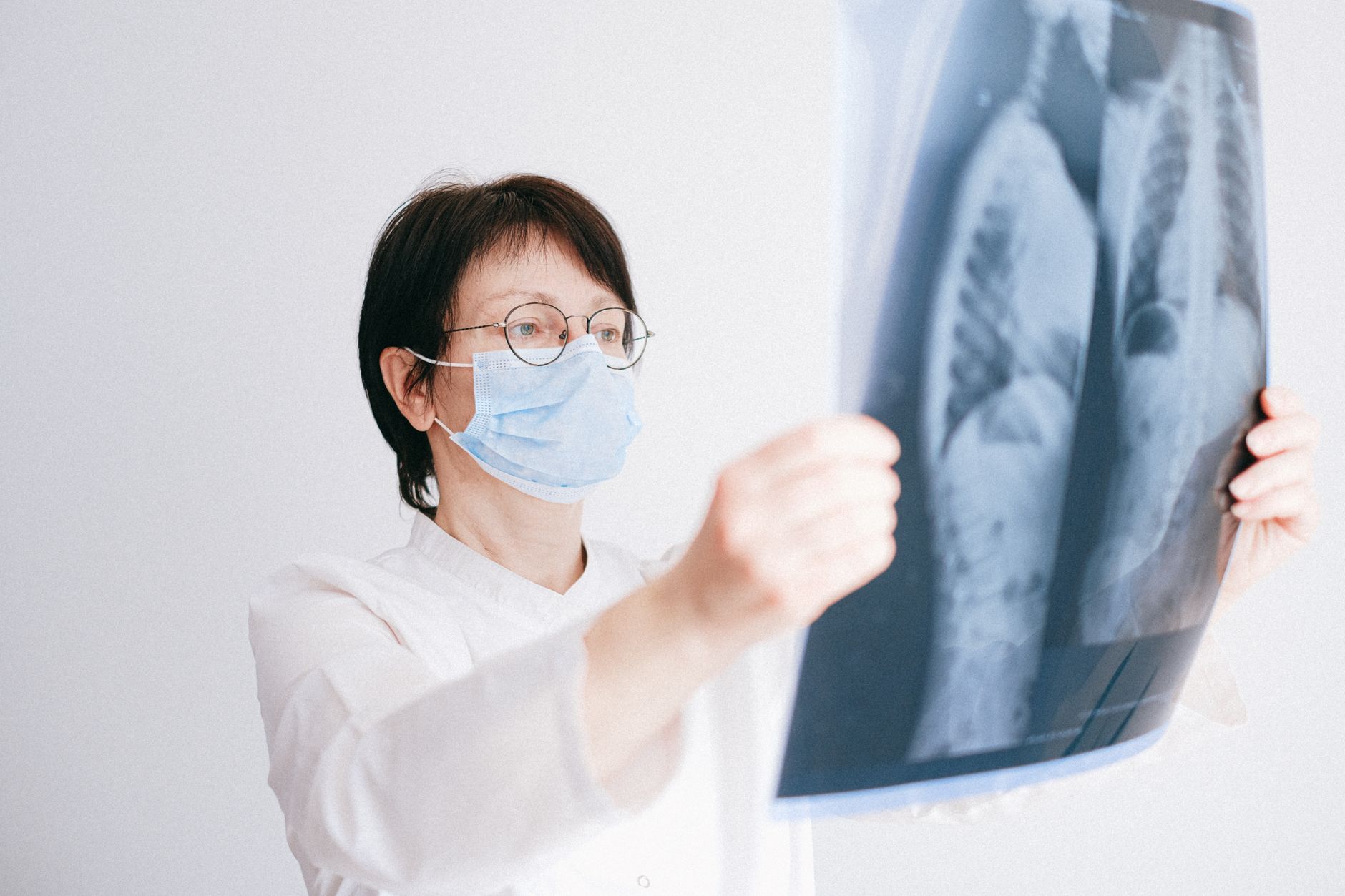
Understanding Osteoporosis and X-ray Detection Osteoporosis is a common condition, particularly as people age, characterized by weakened bones that become more fragile and susceptible to fractures. Many individuals wonder if a standard X-ray, a common imaging tool, can reveal this bone weakening. While X-rays are excellent for detecting fractures and other bone abnormalities, their ability to diagnose osteoporosis directly is limited, especially in its early stages. This article delves into how osteoporosis is diagnosed, the role of X-rays, and the more accurate methods available, providing clear, practical information for readers in India. The Limitations of Conventional X-rays for Osteoporosis Conventional X-rays, also known as radiographs, work by passing a small amount of radiation through the body to create an image. They are highly effective at visualizing dense structures like bones and can clearly show breaks, cracks, or significant deformities. However, osteoporosis involves a gradual loss of bone mineral density (BMD). For a conventional X-ray to detect this loss, a significant amount of bone mass, typically more than 30%, must already be gone. This means that by the time osteoporosis is visible on a standard X-ray, the condition is likely quite advanced, and the risk of fracture is already high. While a radiologist might observe changes in the appearance of the spine or hip bones on a conventional X-ray that suggest a potential loss of bone density, these images do not provide a precise diagnosis or reliably predict future fracture risk. They are more useful for identifying fractures that may have already occurred due to weakened bones, or for ruling out other bone conditions. When Might a Doctor Suspect Osteoporosis from an X-ray? A doctor might suspect osteoporosis if they notice: Vertebral Fractures: Fractures in the bones of the spine (vertebrae) that occur with minimal or no trauma can be a strong indicator of underlying osteoporosis. Changes in Bone Texture: In advanced cases, the bone might appear thinner or more translucent on an X-ray. Increased Curvature of the Spine: Significant bone loss in the vertebrae can lead to a stooped posture or kyphosis (a rounded back). However, it's crucial to reiterate that these are often signs of established osteoporosis, not early detection. If a doctor suspects bone density loss based on these observations or other risk factors, they will typically recommend more specialized tests. The Gold Standard: Dual-Energy X-ray Absorptiometry (DEXA/DXA) The most accurate and widely recommended method for diagnosing osteoporosis and assessing fracture risk is a Dual-Energy X-ray Absorptiometry (DEXA or DXA) scan. This advanced imaging technique uses two different X-ray beams at slightly different energy levels to measure bone mineral density with high precision. What is a DEXA Scan and How Does it Work? A DEXA scan is a quick, non-invasive procedure that typically takes about 7 minutes. You lie on a comfortable examination table, and a scanner arm moves slowly over your body. The machine measures how much of the X-ray beams are absorbed by your bones. Denser bones absorb more radiation. The scan primarily focuses on the hip and spine, as these are common sites for osteoporotic fractures. Preparation for a DEXA Scan: Generally, no special preparation is needed. You can eat and drink as usual. It's advisable to avoid calcium supplements for at least 24 hours before the scan, as they can sometimes interfere with the results. You should also inform your doctor about any recent barium or iodine contrast used in other imaging tests. Interpreting DEXA Scan Results: T-Scores DEXA scan results are usually reported as T-scores. A T-score compares your bone density to that of an average healthy young adult of the same sex. A Z-score compares your bone density to that of an average person of the same age, sex, and ethnicity. Normal Bone Density: A T-score of -1.0 or higher. Osteopenia (Low Bone Mass): A T-score between -1.0 and -2.5. This indicates that your bone density is lower than normal but not yet low enough to be classified as osteoporosis. It signifies an increased risk of developing osteoporosis and fractures. Osteoporosis: A T-score of -2.5 or lower. This indicates significantly low bone density, confirming osteoporosis and a high risk of fractures. Severe Osteoporosis: A T-score of -2.5 or lower with the presence of one or more fragility fractures. Your doctor will interpret these scores in the context of your overall health, medical history, and other risk factors. Other Tests for Osteoporosis While DEXA is the gold standard, other specialized tests may be used in certain situations to assess bone health or fracture risk: Quantitative Computed Tomography (QCT): This CT scan-based method can measure bone density in the spine and hip and can also assess bone structure. Quantitative Ultrasound (QUS): This non-X-ray based method uses sound waves to measure bone density, often at the heel. It's less precise than DEXA for diagnosis but can be useful for fracture risk assessment. Radiofrequency Echographic Multi Spectrometry (REMS): A newer ultrasound-based technology that can assess bone density and fracture risk. However, for routine screening and diagnosis of osteoporosis, DEXA remains the preferred method due to its accuracy, low radiation exposure, and widespread availability. Who Should Be Screened for Osteoporosis? The Bone Health and Osteoporosis Foundation (BHOF) recommends bone density testing for: All women aged 65 and older. Men aged 70 and older. Women and men aged 50-69 who have significant risk factors, including: A broken bone after age 50. Low body weight or small frame. Family
In summary, timely diagnosis, evidence-based treatment, and prevention-focused care improve long-term health outcomes.