Understanding Capsulitis of the Foot
The human foot is a marvel of engineering, composed of 26 bones, 33 joints, and a complex network of muscles, tendons, and ligaments. This intricate structure supports our body weight and enables movement. However, various conditions can affect the foot, leading to pain and discomfort. One such condition is capsulitis, which specifically affects the ball of the foot and the toes.
Capsulitis, also known as metatarsal phalangeal joint (MPJ) capsulitis or metatarsophalangeal (MTP) synovitis, is an inflammation of the capsule, a dense ligament structure surrounding the joint. It most commonly affects the second toe, located next to the big toe, though it can sometimes affect the third toe. This inflammation causes pain in the ball of the foot, often described as feeling like a pebble is stuck in your shoe.
It's important to distinguish capsulitis from other foot conditions that may cause similar pain, such as Morton's Neuroma. While Morton's Neuroma involves compressed nerves, capsulitis is specifically due to ligament inflammation.
Symptoms of Capsulitis
The hallmark symptom of capsulitis is pain in the ball of the foot, particularly under the affected toe. This pain can feel like a sharp, stabbing sensation or a dull ache. Other common symptoms include:
- Swelling and redness in the ball of the foot.
- Pain that worsens when walking or standing barefoot.
- Discomfort when wearing shoes, especially those that are tight or have high heels.
- A feeling of instability or looseness in the affected toe.
If left untreated, capsulitis can lead to more serious issues, such as the development of calluses under the affected joint or the toe becoming deformed (e.g., hammer toe).
Causes of Capsulitis
Several factors can contribute to the development of capsulitis:
- Trauma: An injury to the foot, especially near the affected joint, can trigger inflammation.
- Chronic Stress or Overloading: Repeated stress or excessive weight-bearing on the MTP joint can lead to inflammation over time. This is common in athletes or individuals who are on their feet for long periods.
- Footwear: Prolonged use of footwear that places excessive pressure on the ball of the foot, such as high heels or unsupportive shoes like flip-flops, can contribute to capsulitis.
- Underlying Medical Conditions: Conditions like rheumatoid arthritis or osteoarthritis can increase the risk of developing capsulitis due to joint inflammation and degeneration.
- Deterioration of the Plantar Plate: The plantar plate is a thick ligament that supports the MTP joint. Its weakening or tearing can lead to capsulitis.
- Foot Anatomy: Certain foot structures, such as a Morton's toe (where the second toe is longer than the big toe) or bunions (hallux valgus), can predispose individuals to capsulitis by altering weight distribution and joint mechanics.
Diagnosis of Capsulitis
Diagnosing capsulitis typically involves a physical examination by a healthcare professional, such as a podiatrist or orthopedic doctor. The doctor will:
- Examine the Foot: They will assess the affected area for swelling, redness, and tenderness.
- Maneuver the Toe: The doctor will gently move the toe in various directions to pinpoint the source of pain and differentiate it from nerve-related pain.
- Perform Tests: A vertical stress test might be conducted to evaluate the integrity of the plantar plate. In some cases, X-rays may be ordered to rule out other conditions like fractures or arthritis and to assess the alignment of the bones.
Accurate diagnosis is crucial for effective treatment, as the management strategies differ for conditions like Morton's Neuroma versus capsulitis.
Treatment for Capsulitis
Fortunately, surgery is often not the first or best course of action for capsulitis. Many non-surgical treatments can provide significant relief and promote healing. The primary goals of treatment are to reduce inflammation, alleviate pain, and correct any biomechanical issues contributing to the condition.
- Rest: If the condition is due to overuse or strenuous activity, resting the foot is paramount. This involves limiting weight-bearing activities to allow the inflamed tissues to recover.
- Improving Foot Mechanics:
- Physical Therapy: A physical therapist can guide you through specific exercises to strengthen weak foot muscles and stretch tight ones, improving overall foot function.
- Stretching: Gentle stretching of the calf muscles and the plantar fascia can help relieve tension on the forefoot.
- Orthotics: Custom or over-the-counter orthotic inserts can be placed in your shoes to help correct foot biomechanics, redistribute pressure away from the painful MTP joint, and provide better arch support.
- Splinting or Taping: In some cases, splinting or taping the affected toe can help maintain proper alignment and prevent it from crossing over other toes, which can occur if the plantar plate is significantly damaged.
- Footwear Modifications:
- Avoid High Heels and Flip-Flops: These types of footwear often exacerbate capsulitis by increasing pressure on the ball of the foot or offering inadequate support.
- Choose Supportive Shoes: Opt for shoes with a wide toe box, good cushioning, and adequate arch support. Avoid shoes with narrow fronts or flimsy soles.
- Medications: Over-the-counter nonsteroidal anti-inflammatory drugs (NSAIDs) like ibuprofen or naproxen can help reduce pain and inflammation. However, these should be used as directed and for short periods, as they do not address the underlying cause.
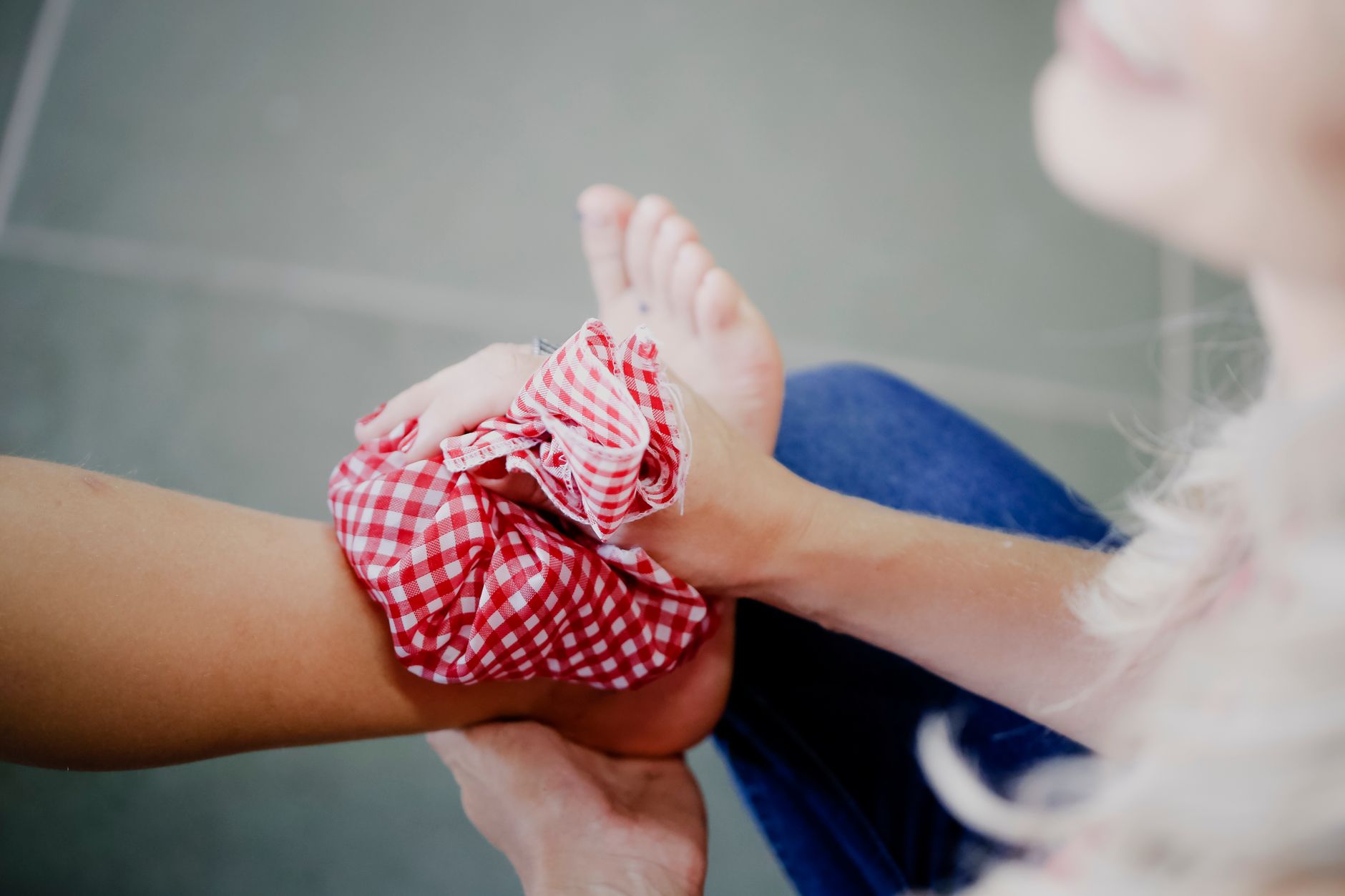
- Ice Therapy: Applying ice packs to the affected area for 15-20 minutes several times a day can help reduce swelling and pain.
With consistent adherence to these treatments, capsulitis can often heal within 6 weeks to 3 months. However, the timeline can vary depending on the severity of the condition and individual healing rates.
Prevention of Capsulitis
Preventing capsulitis involves adopting habits that reduce stress on the forefoot and maintain good foot health:
- Wear Supportive Footwear: Choose shoes that fit well, offer ample cushioning, and provide good arch support. Avoid prolonged wear of high heels or shoes with pointed toes.
- Maintain a Healthy Weight: Excess body weight puts additional stress on the feet, increasing the risk of various foot conditions, including capsulitis.
- Warm-up and Cool-down: If you engage in physical activities, ensure you properly warm up before and cool down afterward to prepare your muscles and joints.
- Listen to Your Body: Pay attention to any foot pain or discomfort and address it promptly. Don't push through pain, as this can worsen the condition.
- Incorporate Foot Stretches: Regularly stretching your calf muscles and the muscles in your feet can help maintain flexibility and reduce tension.
When to Consult a Doctor
It is advisable to consult a doctor or a foot specialist if you experience persistent pain in the ball of your foot, especially if it interferes with your daily activities. Early diagnosis and treatment are key to preventing the condition from worsening and potentially avoiding surgery. Seek medical attention if:
- The pain is severe or does not improve with home care.
- You notice significant swelling, redness, or deformity in your foot.
- You have difficulty walking or bearing weight on your foot.
- You have underlying health conditions like diabetes or arthritis that could affect foot health.
Frequently Asked Questions (FAQ)
What is the difference between capsulitis and Morton's Neuroma?
Capsulitis is an inflammation of the ligament capsule around the MTP joint, typically causing pain in the ball of the foot. Morton's Neuroma is caused by the thickening and irritation of a nerve between the toes, which can also cause pain in the forefoot, often described as a burning or tingling sensation.
Can capsulitis heal on its own?
While mild cases might improve with rest, significant capsulitis often requires specific treatment to address the underlying inflammation and biomechanical issues. Without proper intervention, it can become chronic or lead to further complications.
How long does it take for capsulitis to heal?
With appropriate non-surgical treatment, capsulitis can typically heal within 6 weeks to 3 months. However, recovery time can vary based on the severity of the condition and how consistently the treatment plan is followed.
Is surgery necessary for capsulitis?
Surgery is generally considered a last resort for capsulitis, usually reserved for cases that do not respond to conservative treatments or when there is significant damage to the plantar plate. Most cases can be successfully managed with non-surgical methods.