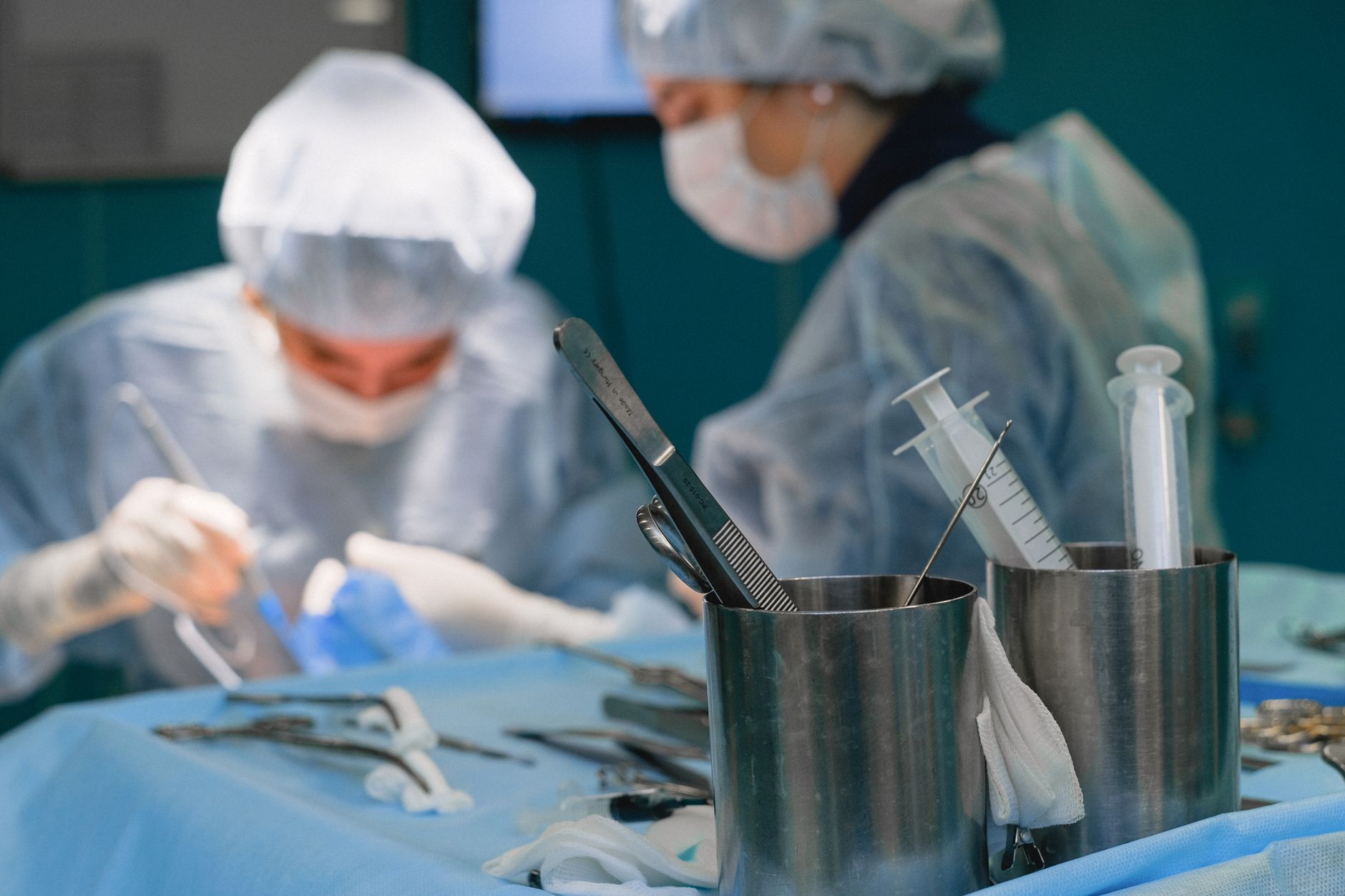
Understanding Cemented Radial Head Arthroplasty (RHA) for Elbow Joint Issues The elbow joint is a complex structure that allows for a wide range of motion, essential for everyday activities like eating, dressing, and working. The radius bone, extending from your wrist to your elbow, plays a crucial role in this. Its head, the part that connects to the elbow joint, can be damaged due to injury or wear and tear from conditions like arthritis. When less invasive treatments fail to provide relief, a surgical procedure called Cemented Radial Head Arthroplasty (RHA) may be recommended. This guide aims to provide a clear and practical understanding of this procedure for patients in India. What is Cemented Radial Head Arthroplasty? Cemented Radial Head Arthroplasty is a type of joint replacement surgery where a prosthetic (artificial) implant is used to replace the damaged or worn-out head of the radius bone at the elbow joint. The term 'cemented' refers to the use of bone cement to fix the implant in place. This procedure is typically considered when the remaining bone and joint tissues cannot be adequately repaired through simpler methods. Who Might Benefit from Cemented RHA? This surgery is generally recommended for individuals experiencing significant pain and loss of function in their elbow due to: Complex fractures of the radial head: When the bone is severely broken and cannot be properly fixed. Elbow dislocation: If the elbow joint is dislocated and cannot be easily repositioned, especially if the radial head is also injured. Severe arthritis of the elbow: When the cartilage cushioning the joint has worn away, causing pain and stiffness, and other treatments like pain medications, injections, or physiotherapy have not worked. It is particularly beneficial for those whose radial head is too damaged to be reconstructed or repaired using less invasive techniques. Benefits of Cemented RHA The primary goals of cemented RHA are to: Reduce pain: Alleviate the chronic pain associated with elbow joint damage. Restore range of motion: Improve the ability to bend, straighten, and rotate the arm. Improve function: Enhance the overall use of the arm for daily activities. For complex elbow injuries, RHA can be a highly effective solution when other options are not viable. The Cemented RHA Procedure Cemented RHA is typically an outpatient procedure, meaning you can usually go home the same day. It is performed under general anesthesia. The steps involved are: Incision: The surgeon makes a cut through the skin above the elbow joint to access the radial head. Removal of damaged bone: Damaged parts of the radial head and neck are carefully removed. These removed pieces may be used as a model to help shape and customize the prosthetic implant. Implant placement: A prosthetic implant designed to replace the radial head is then inserted. Fixation: Bone cement is used to securely fix the implant to the remaining healthy bone of the radius. Closure: The incision is closed with stitches or staples. Preparing for Surgery Before your surgery, your doctor will provide specific instructions. General preparation guidelines include: Fasting: You will likely need to avoid eating or drinking for about 12 hours before the procedure. Your doctor will advise if you can drink water. Medications: Inform your doctor about all medications and supplements you are taking. Arranging support: Plan for someone to drive you to and from the hospital and to assist you with daily tasks at home for the first few weeks. Home modifications: Consider making adjustments to your living and working spaces to make daily activities easier post-surgery. Recovery and Rehabilitation Recovery from cemented RHA involves several stages: Immediate post-op: You will likely be given a sling or splint to protect the elbow. You may need to take 1 to 2 days off for initial rest. First few weeks: You will need help with daily activities. Your doctor will provide guidance on wound care and pain management. The splint or sling is usually removed after about 2 weeks. Physical therapy: This is a crucial part of recovery. You will typically undergo physical therapy for up to 6 months to regain strength, flexibility, and range of motion in your elbow. It's important to follow your therapist's instructions diligently. Return to activities: Gradually easing back into regular activities is essential. Full recovery and return to strenuous activities can take 3 to 6 months or longer. Potential Risks and Complications While cemented RHA is generally safe and effective, like any surgery, it carries potential risks. These may include: Implant fit issues: If there isn't enough healthy bone to model the prosthesis, it might not fit perfectly. Loss of range of motion: Difficulty fully straightening the arm. Instability: Feeling of looseness or instability in the elbow. Loosening of the prosthesis: The implant may become loose from the bone over time. Nerve issues: Numbness or tingling near the elbow. Infection: Risk of infection at the surgical site. Osteoarthritis: Development or worsening of arthritis in the joint. Allergic reaction: Though rare, reactions to the cement or implant materials can occur. Studies have shown varying outcomes. Some research indicates a low need for revision surgery, while other studies report a higher percentage of patients requiring some form of repair or removal of the prosthesis within the first year. Your surgeon will discuss these risks in detail with you. Cost of Cemented RHA in India The cost of cemented RHA can vary significantly depending on the hospital, surgeon's fees, and the type
In summary, timely diagnosis, evidence-based treatment, and prevention-focused care improve long-term health outcomes.