Understanding Congenital Scoliosis: A Guide for Indian Parents
Congenital scoliosis is a condition where a baby's spine has an abnormal curve present from birth. This happens because the bones of the spine, called vertebrae, do not form correctly during fetal development. While it's the least common type of scoliosis, affecting about 1 in 10,000 newborns, it's crucial for parents to understand its implications. This condition can range from mild to severe and may progress as the child grows, potentially requiring medical intervention.
What Causes Congenital Scoliosis?
The exact cause of congenital scoliosis is not always clear, but it is believed to result from a combination of genetic and environmental factors. During pregnancy, the vertebrae (the bones that make up the spine) develop. In congenital scoliosis, one or more of these vertebrae may not form properly, or several vertebrae might fuse together abnormally. Sometimes, both issues can occur. While the precise triggers are unknown, doctors suspect that certain gene mutations or environmental influences during pregnancy might play a role. It's important to note that this is not caused by anything the mother did or didn't do during pregnancy; it's a developmental issue.
Recognizing the Symptoms
Congenital scoliosis might be detected during a prenatal ultrasound, or a pediatrician might notice an irregularity in a newborn's back during a physical examination. However, in many cases, the signs may not be obvious until the child starts to grow and the spine's curve becomes more pronounced. Parents should look out for the following:
- Uneven shoulder blades or shoulder heights.
- One shoulder blade appearing higher than the other.
- The waist appearing uneven.
- The body leaning to one side.
- When bending forward, one side of the back appearing higher than the other.
In some instances, congenital scoliosis can be associated with other health conditions or genetic syndromes, so a thorough medical evaluation is essential.
Diagnosis of Congenital Scoliosis
Diagnosing congenital scoliosis typically involves a comprehensive physical examination and imaging tests. The doctor will assess the child's spine, posture, and range of motion. To visualize the spine's structure and the extent of the curvature, the following tests are commonly used:
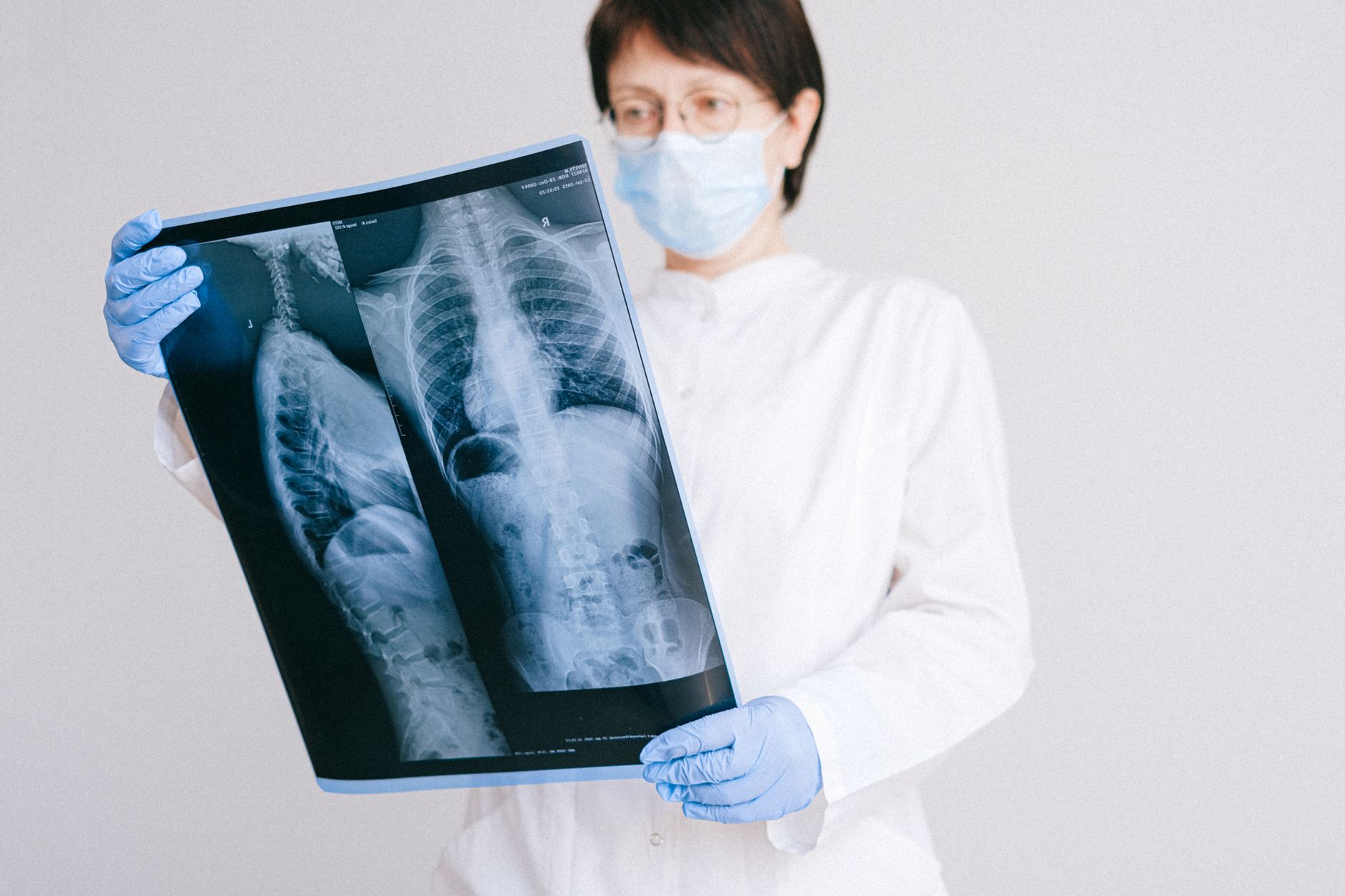
- X-rays: These are the primary tool for diagnosing and monitoring scoliosis. They provide clear images of the vertebrae and the spinal curve.
- CT Scans: In some cases, a CT scan may be used to get more detailed images of the bony structures of the spine.
- MRI Scans: An MRI can help assess the spinal cord and nerves, especially if there are concerns about neurological involvement.
The doctor will also inquire about the child's medical history and any family history of spinal conditions.
Treatment Options for Congenital Scoliosis
The treatment approach for congenital scoliosis depends on several factors, including the severity of the curve, the child's age, the rate of progression, and whether other health conditions are present. The primary goals of treatment are to prevent the curve from worsening, maintain spinal function, and improve the child's quality of life.
Observation and Monitoring
For mild curves that are not progressing, a doctor may recommend regular monitoring. This involves periodic check-ups and X-rays to track the curve's development, especially during growth spurts (infancy and puberty).
Bracing
Bracing is generally less effective for congenital scoliosis compared to other types, as the curve is caused by a bone abnormality. However, in specific situations, a brace might be considered to slow down the progression of the curve, particularly if there's a significant imbalance.
Surgery
Surgery is often necessary for moderate to severe congenital scoliosis, especially if the curve is progressing rapidly or causing significant functional issues. The type of surgery will depend on the specific spinal abnormality and the child's needs. Surgical options may include:
- Growing Rods: These implants allow the spine to continue growing while correcting the curve. They are adjusted periodically to accommodate growth.
- Spinal Fusion: This procedure involves joining two or more vertebrae together to prevent further curvature. Metal rods, screws, and hooks may be used to hold the spine in place during fusion.
- Vertebral Body Stapling or Tethering: These are less invasive techniques used in younger children to control spinal growth on one side, allowing the other side to grow and straighten the spine.
Research indicates that surgical interventions can lead to significant improvements in pain, self-image, and overall function for individuals with congenital scoliosis, even years after the procedure.
Prevention and When to Consult a Doctor
Congenital scoliosis cannot be prevented as it originates from developmental issues before birth. However, early detection and timely intervention are key to managing the condition effectively. Parents should consult a pediatrician if they notice any of the symptoms mentioned above, such as uneven shoulders, hips, or a noticeable curve in their child's back. Regular pediatric check-ups are crucial for identifying potential issues early on. If a diagnosis of congenital scoliosis is made, follow your doctor's recommendations for monitoring and treatment closely. Early management can significantly impact the long-term outcome for your child.
Disclaimer: This information is for general knowledge and informational purposes only, and does not constitute medical advice. It is essential to consult with a qualified healthcare professional for any health concerns or before making any decisions related to your health or treatment.