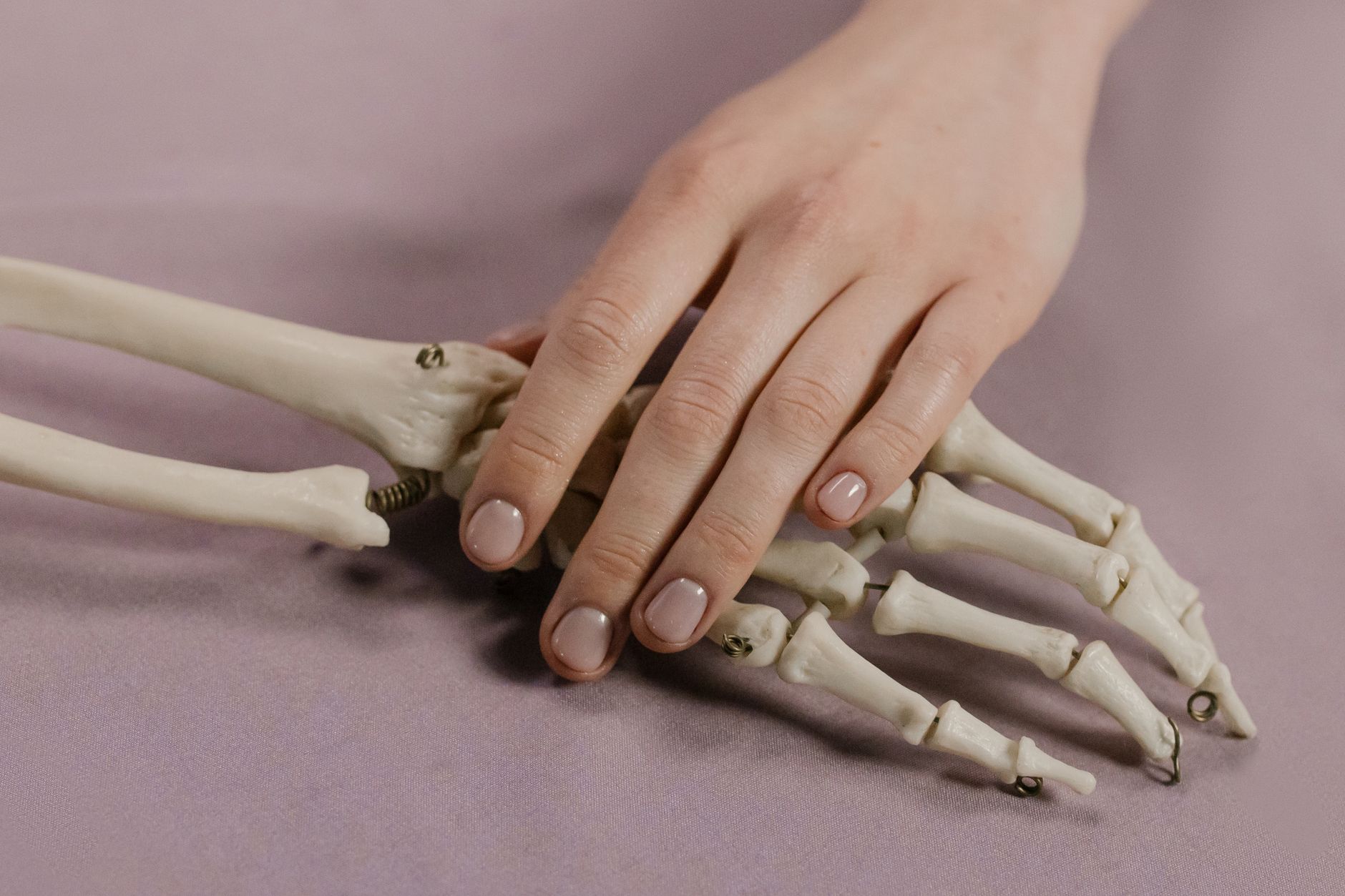
What is Diastrophic Dysplasia?
Diastrophic Dysplasia (DTD), also known as diastrophic dwarfism, is an extremely rare genetic disorder that affects the development of cartilage and bones. It is a type of skeletal dysplasia, a group of conditions that can lead to dwarfism. This means that individuals with DTD typically have short stature and unusually short arms and legs. The condition is congenital, meaning it is present at birth. While rare worldwide, it is noted that individuals with Finnish ancestry may have a slightly higher chance of inheriting it. In India, like in many other parts of the world, the incidence is very low, affecting approximately 1 in 500,000 newborns.
The core issue in DTD lies in a mutation of the SLC26A2 gene, also referred to as the DTDST gene. This gene is crucial for the proper development of cartilage in embryos and babies, and its subsequent conversion into bone. When this gene is mutated, these instructions become ineffective, leading to impaired cartilage and bone formation. This genetic defect is inherited in an autosomal recessive pattern. This means that for a child to be born with DTD, they must inherit a copy of the mutated gene from both parents. If both parents are carriers of the mutated gene (but do not have the condition themselves), each of their children has a 25% chance of being born with DTD.
Characteristics and Symptoms of Diastrophic Dysplasia
The signs and symptoms of DTD can vary significantly, even among members of the same family. However, most individuals share certain common features related to their bones and joints:
- Short Stature: This is a hallmark of DTD, with individuals having significantly shorter height than average.
- Short Limbs: Arms and legs are disproportionately short.
- Hand and Foot Differences: This can include unusually short fingers and toes (brachydactyly) and clubfoot, where the feet are turned inward or upward.
- Hip Dysplasia: The hip joints may be misaligned or crooked, leading to instability.
- Cleft Palate: An opening or gap in the roof of the mouth may be present at birth.
- Hitchhiker's Thumb: Thumbs that are unusually flexible and bent at the joint, resembling a hitchhiker's gesture.
- Prominent Forehead: An unusually high and prominent forehead can also be observed.
Potential Complications Associated with DTD
Diastrophic Dysplasia can lead to a range of complications, some of which can be serious, particularly in infants. These complications often stem from the abnormal development of cartilage and bone:
Spinal Curvature:
The condition can cause abnormal curving of the spine, which may worsen over time. This can include:
- Scoliosis: Sideways curvature of the spine.
- Kyphosis: Excessive outward curvature of the upper back, especially in the neck area.
- Lordosis: Excessive inward curvature of the lower back.
These spinal issues can lead to significant back pain and affect posture.
Joint Problems:
DTD frequently causes joint irregularities known as contractures, which limit the range of motion. Affected joints may also be prone to osteoarthritis, leading to pain. Joint issues can make walking difficult and tend to worsen with age. Some individuals may walk on their tiptoes. Joint dislocations, particularly in the hips and knees, are also common, often occurring when bearing weight.
Ear Cysts and Hearing Issues:
Most newborns with DTD develop fluid-filled sacs (cysts) in the outer cartilage of their ears. These cysts can become swollen and inflamed, potentially leading to bone growths and subsequent hearing difficulties.
Breathing Difficulties:
Irregularities in the cartilaginous tissue can cause narrowing of the airways, leading to breathing problems. Severe kyphosis can also restrict breathing. In infants, these breathing difficulties can be life-threatening.
Dental Issues:
Approximately one-third of children with DTD experience problems with their teeth.
Diagnosis of Diastrophic Dysplasia
Diagnosing Diastrophic Dysplasia involves a combination of genetic testing, prenatal screening, and clinical evaluation:
Genetic Testing:
If there is a family history of DTD, doctors may recommend DNA tests before and during pregnancy to identify the presence of the SLC26A2 gene mutation. This can help confirm or rule out the condition in the fetus.
Prenatal Ultrasound:
During the second trimester of pregnancy, a routine ultrasound may reveal some of the characteristic physical features of DTD, prompting further investigation.
Clinical Evaluation at Birth:
The definitive diagnosis is typically made after birth through a thorough clinical evaluation. This includes:
- Physical Examination: A doctor will assess the infant for the characteristic physical features of DTD, such as short limbs, joint abnormalities, and facial features.
- Imaging Studies: X-rays and other imaging techniques are crucial for evaluating bone and joint development, identifying spinal curvature, and assessing hip dysplasia.
Treatment and Management
There is currently no cure for Diastrophic Dysplasia, as it is a genetic condition. However, management focuses on addressing the symptoms and complications to improve quality of life and function. Treatment is multidisciplinary and may involve:
- Orthopedic Surgery: To correct hip dysplasia, clubfoot, scoliosis, and other skeletal deformities. Surgery may also be needed to address joint contractures and dislocations.
- Physical Therapy: Essential for maintaining joint mobility, strengthening muscles, improving gait, and managing pain.
- Occupational Therapy: To help individuals adapt to daily living activities and use assistive devices if needed.
- Speech Therapy: If a cleft palate affects speech or feeding.
- Hearing Aids: To address hearing loss caused by ear cysts or other issues.
- Respiratory Support: In cases of severe breathing difficulties.
- Pain Management: Medications and therapies to manage chronic pain associated with joint issues and spinal deformities.
Regular monitoring by a team of specialists, including geneticists, orthopedic surgeons, pediatricians, and therapists, is vital for managing the long-term health of individuals with DTD.
Prevention of Diastrophic Dysplasia
As DTD is a genetic condition caused by a specific gene mutation, it cannot be prevented in the traditional sense. However, for families with a known history of the condition, genetic counseling and prenatal diagnosis can play a crucial role. Genetic counselors can explain the inheritance patterns, risks, and available testing options, empowering families to make informed decisions about family planning.
When to Consult a Doctor
If you have a family history of genetic bone disorders or if your child exhibits any of the characteristic features of Diastrophic Dysplasia, such as significant short stature, unusual limb proportions, joint abnormalities, or ear cysts, it is essential to consult a doctor or a genetic specialist promptly. Early diagnosis and intervention can significantly improve management outcomes and address potential complications early on.
Frequently Asked Questions (FAQ)
Q1: Is Diastrophic Dysplasia a life-threatening condition?
While DTD itself is a chronic condition, some of its complications, particularly severe breathing difficulties in infants, can be life-threatening. Prompt medical attention and management are crucial.
Q2: Can individuals with Diastrophic Dysplasia lead fulfilling lives?
Yes, with appropriate medical care, therapy, and support, individuals with DTD can lead fulfilling and productive lives. Their quality of life depends on managing the physical challenges and accessing necessary resources.
Q3: Is Diastrophic Dysplasia the same as other forms of dwarfism?
DTD is a specific type of skeletal dysplasia that results in dwarfism. There are many different types of dwarfism, each with its own genetic cause and set of characteristics. DTD is characterized by specific bone and cartilage abnormalities not found in all forms of dwarfism.
Q4: What is the role of physiotherapy in managing DTD?
Physiotherapy is extremely important. It helps maintain joint flexibility, strengthens muscles, improves balance and coordination, and helps manage pain, thereby enhancing mobility and functional independence.
Q5: Can genetic counseling help families with a history of DTD?
Absolutely. Genetic counseling provides detailed information about the condition, its inheritance pattern, risks for future children, and options for genetic testing and family planning. It empowers families to make informed decisions.