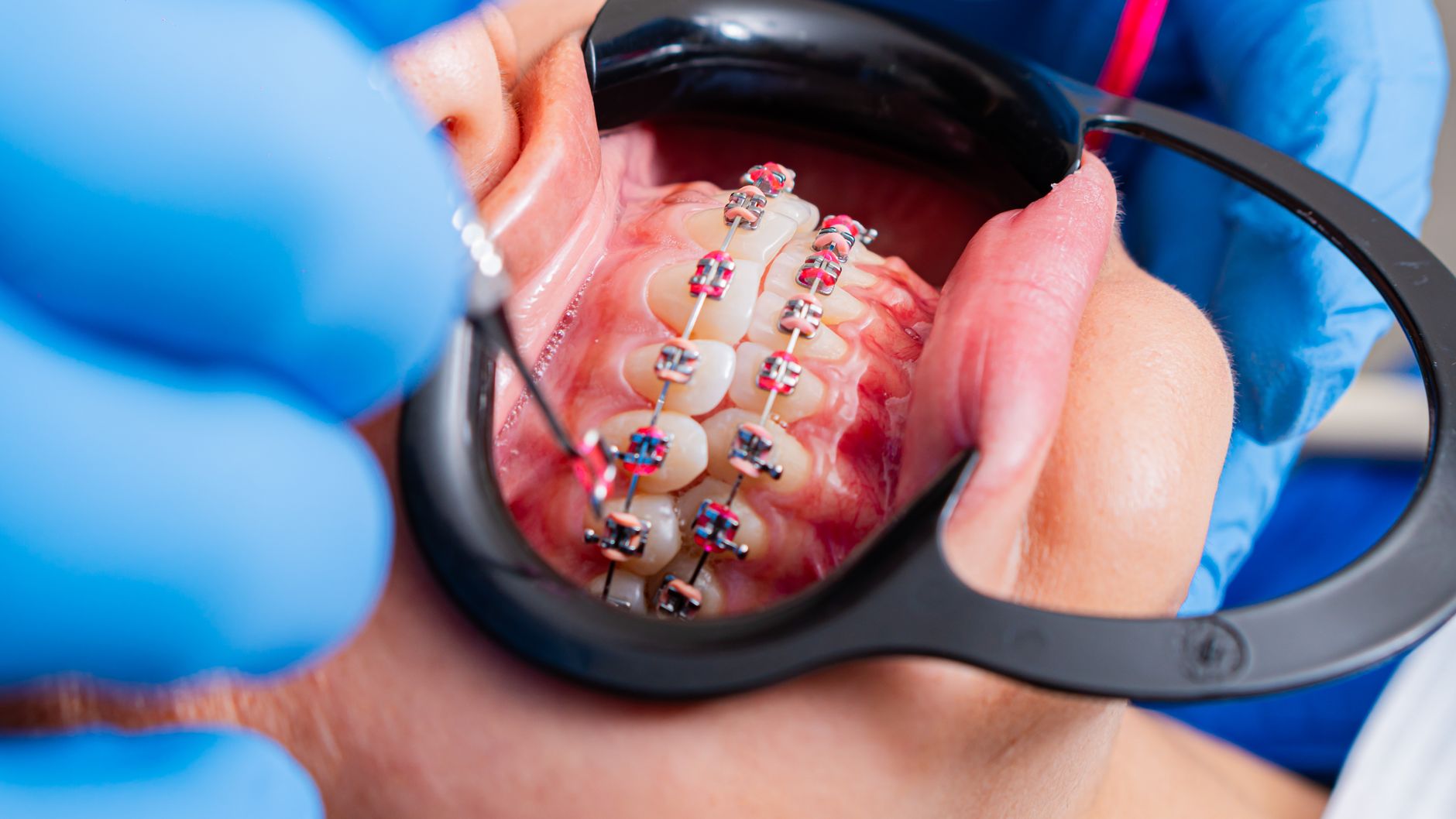
If you're undergoing orthodontic treatment with braces, you've likely encountered those small, colorful rubber bands, also known as elastics. While they might seem like a minor addition to your braces, these elastics play a significant role in shaping your smile and correcting bite issues. They work by applying precise pressure to specific areas, guiding your teeth and jaw into their ideal positions. This guide will walk you through what elastics do, why your orthodontist might prescribe them, the different types available, and how to use them effectively. Understanding their purpose can help you navigate your orthodontic journey with more confidence and achieve the best possible results.
What Exactly Do Elastics Do with Braces?
At their core, elastics are designed to increase the force applied to particular parts of your mouth. Your braces system, with its brackets and archwire, already works to move your teeth. However, elastics provide an extra layer of targeted force. They attach to the brackets on your braces, often hooking onto small metal pegs, and can be arranged in various configurations to address specific orthodontic problems. Think of them as fine-tuning tools that help your orthodontist achieve complex corrections that the archwire alone might not be able to manage.
Key Functions of Elastics:
- Correcting Jaw Misalignments: Elastics are frequently used to adjust different types of jaw discrepancies, such as an overjet (where the upper front teeth protrude too far forward) or an underbite (where the lower front teeth protrude past the upper front teeth).
- Closing Spaces: If you have gaps between your teeth, elastics can help gently pull the teeth together, closing these spaces over time.
- Adjusting Tooth Position: They can also be used to correct the positioning of individual teeth, like helping a tooth that is leaning too far backward or forward to straighten up.
Common Reasons Your Orthodontist May Use Elastics
Your orthodontist will determine if elastics are necessary for your treatment plan based on your unique dental situation. Not everyone with braces needs elastics, but if you do, they are usually prescribed to address specific bite issues or alignment problems. These can include:
- Overbite Correction: An overbite occurs when your upper front teeth overlap significantly with your lower front teeth. Elastics help pull the upper teeth back and/or the lower teeth forward to reduce this overlap.
- Underbite Correction: An underbite is the opposite, where lower teeth stick out past the upper teeth. Elastics work to move the lower jaw back and/or the upper jaw forward.
- Crossbite Correction: This happens when one or more upper teeth bite on the inside of the lower teeth. Elastics help guide these teeth into the correct alignment.
- Open Bite Correction: An open bite means that the front teeth don't meet when you close your mouth. Elastics can help bring these teeth together.
Real-life scenario: Priya noticed that when she smiled, her lower front teeth seemed to be in front of her upper ones. Her orthodontist explained this was an underbite and that she would need to wear small, dark blue elastics. She was instructed to change them daily and wear them consistently, even though it felt a bit strange at first. Within a few months, she could see a noticeable difference in her bite.
Understanding the Different Types of Elastics
Elastics come in various forms, distinguished by their force, size, material, and purpose. Your orthodontist will select the specific type that best suits your treatment needs.
Categorizing Elastics:
- By Force: Elastics are classified by the amount of force they exert, typically categorized as light, medium, or heavy. Force is measured in ounces (oz) or grams (g), and the exact amount can vary by manufacturer. Your orthodontist chooses the force level needed for optimal tooth movement without causing damage.
- By Size: They also come in different sizes, measured by their diameter, usually in fractions of an inch. The correct size is crucial; it must stretch enough to engage properly but not so much that it loses its effectiveness or breaks easily.
- By Material: Most elastics are made from latex, a common and cost-effective material known for its flexibility. However, for individuals with latex allergies, synthetic elastics are available as a safe alternative.
Classifications Based on Use:
- Class I Elastics: These are positioned horizontally, connecting brackets on the same jaw. They are often used to help close spaces between teeth.
- Class II Elastics: These connect the upper teeth to the lower molars. They are commonly used to correct an overjet (overbite).
- Class III Elastics: These connect the lower teeth to the upper molars. They are typically used to correct an underbite.
- Vertical Elastics: These run from upper teeth to lower teeth, perpendicular to the archwire. They are used to help correct an open bite.
- Cross Elastics: These cross over the front teeth, connecting upper and lower jaw teeth. They are used to correct a crossbite.
When Do You Start Wearing Elastics with Braces?
The timing for starting elastics varies significantly from person to person. For some, elastics might be introduced a few months into treatment, perhaps after initial tooth alignment has begun. For others, they may be incorporated closer to the end of the treatment phase to fine-tune the bite. Your orthodontist will guide you on when to begin wearing elastics as part of your specific treatment plan. It's important to follow their instructions precisely.
How Long Do Elastics Stay on Your Braces?
Elastics are not meant to be worn constantly without removal. You will typically be instructed to wear them for a specific number of hours each day, often including overnight. It's essential to remove them when eating, brushing your teeth, and sometimes during physical activities to prevent breakage or loss. Over time, elastics lose their elasticity and effectiveness. Therefore, you'll need to replace them regularly, usually once or twice a day, as directed by your orthodontist.
Practical Tips for Using Elastics:
- Change them daily: Always use a new set of elastics at least once a day, or more often if instructed.
- Wear them as directed: Consistency is key. Wear your elastics for the number of hours your orthodontist recommends.
- Handle with care: Use a small tool or your fingers to carefully attach and remove elastics.
- Keep spares: Carry a few extra elastics with you in case one breaks or you need to replace them on the go.
The Importance of Orthodontist Supervision
While elastics are a powerful tool in orthodontics, it's critical to remember that they should only be used under the direct supervision of a qualified orthodontist. Attempting to use elastics without professional guidance or deviating from prescribed instructions can have serious consequences. In rare but documented cases, improper use has led to significant problems, including tooth loss or the need for extensive oral surgery. Your orthodontist has the expertise to determine the correct type, force, and placement of elastics to ensure safe and effective treatment.
When to Consult Your Orthodontist
It's important to maintain open communication with your orthodontist throughout your treatment. You should contact their office if:
- You experience any persistent pain or discomfort that doesn't improve.
- Your elastics break frequently or you run out of them.
- You are unsure about how to put on or take off your elastics.
- You notice any unusual changes or have concerns about your treatment progress.
Your orthodontist is your best resource for ensuring your braces treatment proceeds smoothly and successfully.
Frequently Asked Questions (FAQ)
Q1: Can I use elastics from the pharmacy instead of the ones my orthodontist gives me?
A: It is strongly advised not to. Orthodontic elastics are specifically designed with particular sizes, forces, and materials calibrated for your treatment. Pharmacy elastics may not meet these exact specifications and could be too strong, too weak, or made of unsuitable materials, potentially harming your teeth or gums or slowing down your progress.
Q2: My elastics keep breaking. What should I do?
A: Frequent breakage might indicate that you are using the wrong size or force, or perhaps not removing them properly for eating or brushing. Ensure you are following your orthodontist's instructions for removal and reattachment. If they continue to break, contact your orthodontist; they may need to adjust the type of elastic or check your braces for any issues.
Q3: How do I clean my braces with elastics on?
A: You should remove your elastics before brushing and flossing. Clean your teeth and braces thoroughly as usual. Once you have finished, reattach a fresh set of elastics. This ensures proper hygiene and prevents food particles from getting trapped around the elastics.
Q4: Do elastics hurt?
A: You might feel some initial pressure or mild discomfort when you first start wearing elastics, similar to when you first get braces. This sensation usually subsides within a few days as your teeth begin to adjust. If the pain is severe or persistent, consult your orthodontist.