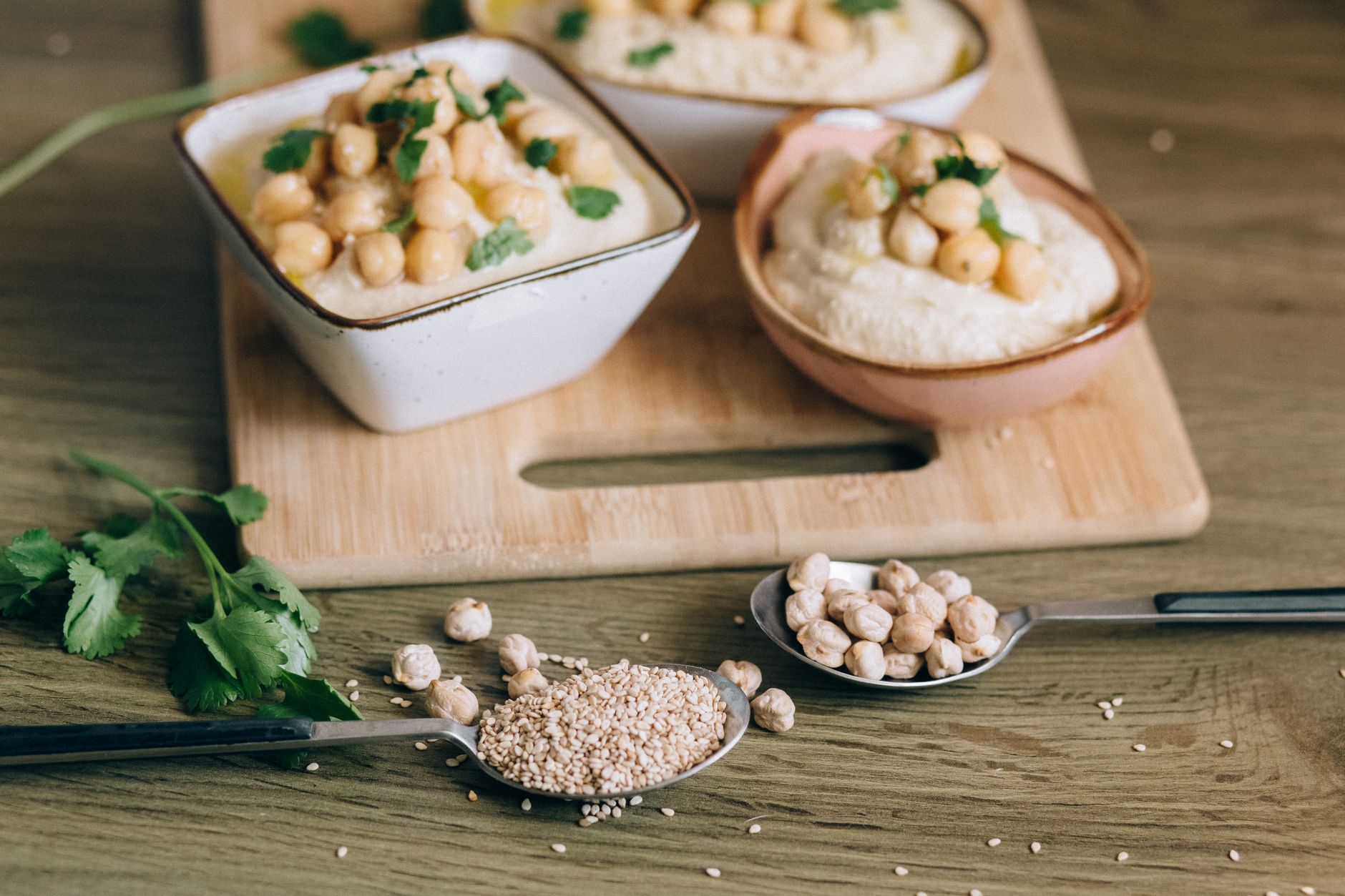
Navigating dietary choices when you have gout can feel like walking a tightrope. The fear of triggering those intensely painful gout attacks often leads to a strict food regimen. Many wonder, "Can I still enjoy my favourite hummus and chickpeas?" The good news is, for most people with gout, the answer is a resounding yes! Let's unpack the science behind purines, uric acid, and why hummus might just be a safe and even beneficial addition to your gout-friendly diet.
Gout, that sudden, fiery inflammation in your joints, is primarily caused by a buildup of a chemical called uric acid. Your body naturally produces uric acid as it breaks down substances known as purines. While purines are a normal part of your body, they also lurk in certain foods. When your body takes in too many purines from your diet, or if it struggles to eliminate uric acid effectively, levels can rise, leading to those dreaded gout flares. It's a complex dance between your body's internal processes and your external eating habits.
Understanding Purines and Uric Acid
Think of purines as building blocks. They're naturally present in your body and also found in many foods. When your body metabolises these purines, it produces uric acid. For most people, uric acid dissolves in the blood, passes through the kidneys, and is excreted in urine. However, if your body produces too much uric acid, or your kidneys can't get rid of it efficiently, uric acid crystals can form and deposit in your joints. This is the hallmark of gout, often striking with intense pain, swelling, and redness, frequently in the big toe.
Doctors often recommend keeping daily purine intake below 400 milligrams (mg) for individuals at risk of gout. This guideline aims to manage uric acid levels and minimise the likelihood of crystal formation. However, pinpointing the exact purine content of foods can be tricky, as it's not always listed on packaging. This is where understanding general food categories becomes vital.
The Hummus Lowdown: Chickpeas and Purines
So, what about hummus? Traditional hummus is a delightful blend of chickpeas (garbanzo beans), tahini (sesame paste), lemon juice, garlic, and sometimes olive oil. Parsley is often sprinkled on top as a garnish. Let's break down the purine content:
- Chickpeas: These humble legumes are a nutritional powerhouse, packed with protein, fibre, vitamins, and minerals. Crucially for gout sufferers, chickpeas are relatively low in purines. A 100-gram serving typically contains less than 50 mg of purines. This is considered well within the safe zone for most individuals managing gout.
- Tahini: Made from ground sesame seeds, tahini also contributes a modest amount of purines, but generally not enough to cause concern in typical hummus serving sizes.
- Lemon Juice, Garlic: These flavour enhancers are virtually purine-free.
- Parsley: While parsley does contain a higher amount of purines (around 200-300 mg per 100 grams), it's usually used in very small quantities as a garnish on hummus. The minimal amount consumed means it poses little risk.
- Olive Oil: Olive oil contains negligible purines.
Therefore, a standard serving of hummus is generally considered low in purines. Research consistently points towards diets high in red meat and certain seafood as being more strongly associated with elevated uric acid levels and a higher risk of gout. In contrast, a 2019 review in Nutrients highlighted that the majority of studies indicate a reduced risk of gout in individuals following vegetarian diets. Including hummus, a plant-based staple, aligns perfectly with this protective dietary pattern.
Beyond Hummus: Other Safe and Risky Foods
Navigating gout-friendly eating involves understanding which foods to embrace and which to limit. The focus should be on a balanced diet that prioritises whole foods and minimises purine-rich sources, particularly those from animal products.
Foods Generally Considered Safe (Low in Purines)
- Most vegetables (including those sometimes cited as moderate in purines like spinach, peas, beans, lentils, mushrooms, and asparagus – research suggests these don't significantly raise uric acid levels due to their fibre content).
- Fruits (especially cherries, which are often recommended for gout relief).
- Whole grains
- Low-fat dairy products
- Eggs
- Nuts and seeds (in moderation)
- Plant-based proteins like tofu and legumes (including chickpeas!)
- Coffee (some studies suggest a potential benefit)
- Water! Staying hydrated is key.
Foods to Limit or Avoid (High in Purines)
These foods are more likely to contribute to elevated uric acid levels and should be consumed sparingly, if at all:
- Organ Meats: Liver, kidneys, and sweetbreads are extremely high in purines.
- Red Meat: Beef, lamb, and pork, especially in large quantities.
- Certain Seafood: Anchovies, sardines, mussels, scallops, trout, haddock, mackerel, and tuna.
- Alcohol: Beer is particularly problematic, but all alcohol can interfere with uric acid excretion.
- Sugary Drinks and Foods: High-fructose corn syrup and other added sugars can increase uric acid production.
It's important to remember that individual responses to foods can vary. What triggers a gout attack in one person might not affect another. The key is to build a dietary pattern that supports overall health and helps manage uric acid levels.
The Benefits of Hummus Go Beyond Low Purines
Hummus isn't just a safe bet for gout; it's a nutritional champion in its own right. A typical 3.5-ounce (about 100g) serving offers:
- Excellent Source of Protein: Around 7.9 grams, supporting muscle health and satiety.
- High in Fibre: About 6 grams, aiding digestion and helping to manage blood sugar levels.
- Rich in Vitamins and Minerals: Including folate, magnesium, phosphorus, manganese, and iron.
- Healthy Fats: Primarily from tahini and olive oil, contributing to heart health.
These nutritional benefits make hummus a valuable component of a balanced diet, contributing to overall well-being, which is paramount when managing a chronic condition like gout.
When to Consult Your Doctor
While hummus is generally safe, it's always wise to maintain open communication with your healthcare provider about your diet and gout management. You should definitely consult your doctor if:
- You experience frequent or severe gout attacks.
- You have persistent joint pain or swelling.
- You are unsure about specific food choices and their impact on your uric acid levels.
- You are considering significant dietary changes.
- You have other underlying health conditions, such as kidney disease or diabetes, that might affect dietary recommendations.
Your doctor can provide personalised advice based on your medical history, uric acid levels, and overall health status. They can help you create a comprehensive management plan that includes medication, lifestyle adjustments, and dietary guidance.
Frequently Asked Questions (FAQ)
Q1: Can I eat hummus every day if I have gout?
For most people with gout, eating hummus in moderation as part of a balanced diet is perfectly fine. Daily consumption is likely safe, provided your overall diet is low in high-purine foods and you stay well-hydrated. Listen to your body and consult your doctor if you have concerns.
Q2: What about homemade hummus versus store-bought?
Both are generally safe. Homemade hummus allows you to control the ingredients, ensuring minimal added sugars or excessive salt. Store-bought versions are convenient, but check the nutrition label for any added ingredients you might want to avoid.
Q3: Are there any specific types of hummus I should avoid?
Generally, traditional hummus is safe. Be mindful of varieties with added ingredients like high-purine meats or excessive amounts of high-sugar sauces, though these are less common.
Q4: How does a Mediterranean diet relate to gout?
The Mediterranean diet, which often includes plenty of vegetables, fruits, legumes (like chickpeas!), whole grains, and healthy fats, is linked with a reduced risk of gout. Hummus fits beautifully into this eating pattern.
Q5: What if I'm concerned about the purines in parsley garnish?
The amount of parsley typically used as a garnish is very small. If you are extremely concerned or have had a severe reaction, you can simply ask for your hummus without the parsley garnish or omit it yourself.
In conclusion, the fear surrounding hummus and gout is largely unfounded. This delicious, versatile dip made primarily from chickpeas is a safe and nutritious choice for most individuals managing gout. By focusing on a balanced diet rich in plant-based foods and limiting high-purine animal products, you can enjoy your meals, including hummus, with confidence and contribute positively to your overall health and well-being.