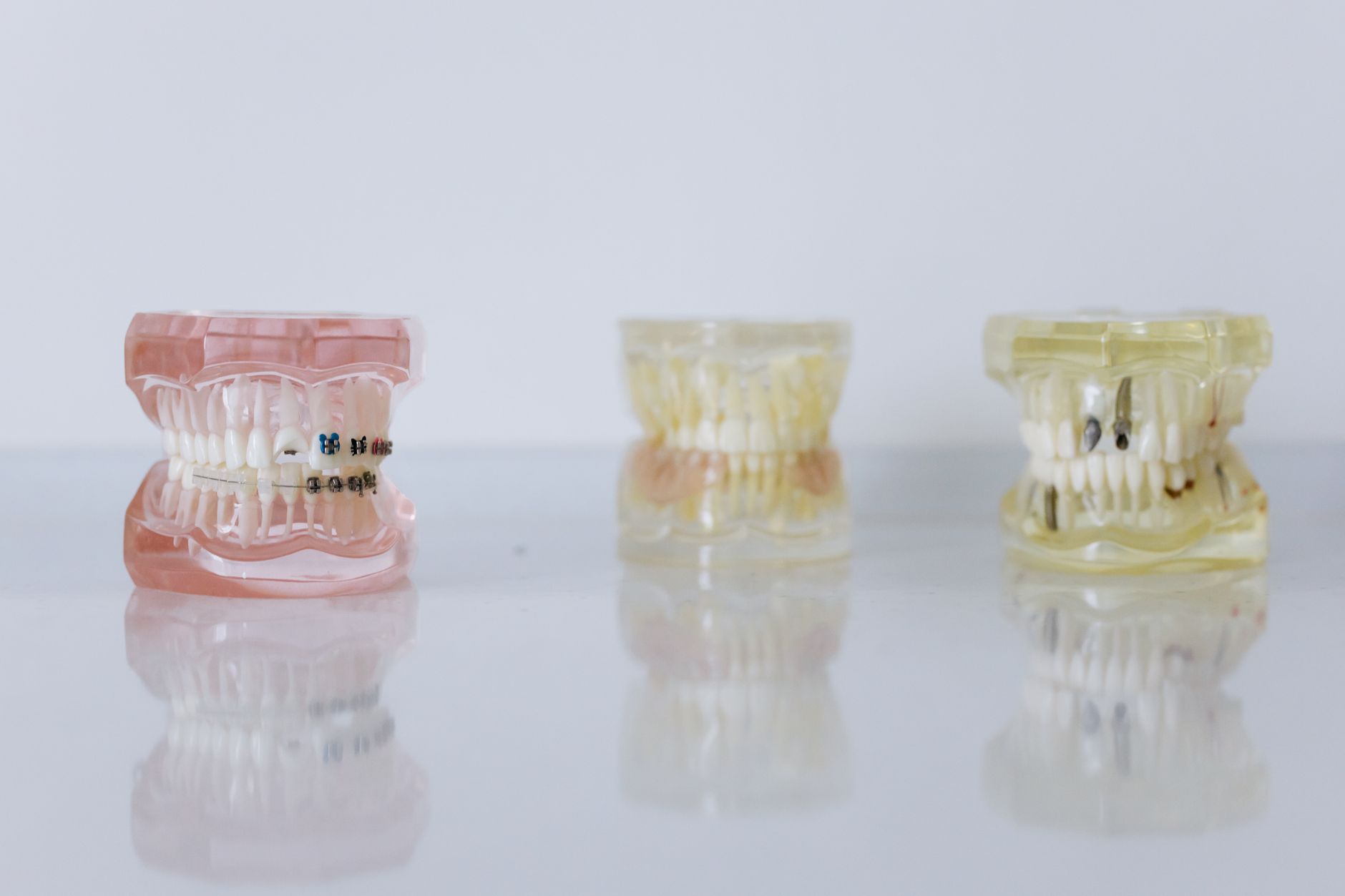
Ever wondered how those clear aligners, like the popular Invisalign system, manage to shift your teeth so precisely? While the aligners themselves do a lot of the heavy lifting, sometimes they need a little extra boost. That’s where Invisalign attachments come in! These small, tooth-colored bumps might seem insignificant, but they play a vital role in achieving complex tooth movements and ensuring your aligners fit snugly. Let’s dive deep into what these tiny helpers are, why you might need them, and how they’re applied. What Exactly Are Invisalign Attachments? Think of Invisalign attachments as tiny, custom-made grips or handles that your orthodontist bonds directly onto specific teeth. They are typically made from a composite resin, the same material dentists use for tooth-colored fillings. These attachments aren’t just decorative; they have a very specific shape designed to work with your clear aligners. When you wear your aligner, it presses against these attachments, providing the exact force needed to move your teeth in specific directions or to rotate them. They are essentially strategic partners for your aligners, enhancing their ability to guide your teeth into their desired final position. The clear aligner itself works by applying gentle, consistent pressure on your teeth. You wear a series of aligners, each slightly different from the last, gradually moving your teeth over time. However, for more intricate movements – like rotating a tooth that’s significantly out of place or tipping a tooth at a specific angle – the aligner alone might not be enough. This is where attachments become indispensable. They provide extra leverage and control, allowing the aligner to grip the tooth more effectively and direct its movement with greater accuracy. Why Do Some People Need Invisalign Attachments? Not everyone undergoing Invisalign treatment will require attachments. The decision to use them is entirely based on your individual treatment plan, as determined by your orthodontist. If your smile requires more complex corrections, attachments are likely to be part of your journey. These can include: Rotational Movements: Teeth that are severely turned or twisted often need attachments to help the aligner grip and rotate them properly. Tipping Movements: When a tooth needs to be angled more dramatically, attachments provide the necessary leverage. Extrusion: Moving a tooth that is impacted or only partially erupted often requires attachments. Anchoring: Attachments can also act as anchors, helping to stabilize the aligner and prevent it from slipping, especially in cases with large gaps or significant bite issues. Precision Control: For very fine-tuning of tooth position, attachments ensure the aligner can apply force exactly where and how it’s needed. Your orthodontist will assess your teeth and bite through detailed examinations, including X-rays, photographs, and digital scans. Based on this comprehensive evaluation, they will design a personalized treatment plan that outlines the precise movements needed for each tooth. If your plan involves challenging corrections, they will incorporate attachments strategically to achieve the best possible outcome. It’s all about tailoring the treatment to your unique dental landscape! How Are Invisalign Attachments Applied? The application of Invisalign attachments is a straightforward, non-invasive procedure performed by your orthodontist. It typically doesn’t require any anesthesia, as it’s not painful. Here’s a step-by-step breakdown: Preparation: Your teeth are cleaned and dried. A special gel might be applied to the tooth surface to help the bonding material adhere better. This gel is usually left on for a short period and then rinsed off. Bonding Agent: A thin layer of bonding agent is carefully brushed onto the specific areas of your teeth where the attachments will be placed. This agent acts like a primer, ensuring a strong bond between the tooth and the composite resin. Template Aligner: Your orthodontist uses a special template aligner, which is essentially a mold or tray with tiny indentations or cutouts precisely where each attachment needs to go. This template ensures accurate placement. Filling the Template: The composite resin material is carefully placed into these indentations on the template aligner. Placement and Curing: The template aligner, now loaded with the composite resin, is gently pressed onto your teeth. Your orthodontist applies slight pressure to ensure the material transfers accurately. Then, a special curing light (similar to those used for fillings) is used to harden and set the composite resin, bonding the attachments firmly to your teeth. Finishing: Once the attachments are cured and hardened, the template aligner is removed. Any excess bonding material or resin is cleaned up, leaving smooth, discreet attachments. Your orthodontist will then guide you on how to insert and remove your aligners with the attachments in place. It’s a quick process, and most patients experience minimal discomfort. They might even place multiple attachments in one session if needed for both your upper and lower teeth. Living with Invisalign Attachments Once your attachments are in place, you might notice them slightly at first. They are designed to be as unobtrusive as possible, but it can take a day or two to get used to them. Here’s what you can expect: Slight Discomfort: Some initial sensitivity or a feeling of slight bulkiness is normal. This usually subsides within a few days as you adapt. Eating: You’ll still need to remove your aligners and attachments to eat. Be gentle when removing and replacing your aligners to avoid accidentally dislodging an attachment. Oral Hygiene: Maintaining excellent oral hygiene is paramount. Brush and floss around your attachments carefully to prevent plaque buildup and gum irritation. Your orthodontist will provide specific instructions on how to best clean around them. Using interdental brushes or floss threaders can be very helpful. Appearance: While they are tooth-colored, the attachments might be slightly more visible than the aligners alone, especially when you smile broadly. However, they are far less noticeable than traditional braces. It’s important to follow your orthodontist’s instructions regarding wear time (usually around 22 hours a day) and aligner changes. Consistency is key to the success of your treatment, with or without attachments. Cost Considerations The cost of Invisalign treatment can vary significantly depending on the complexity of your case and the duration of your treatment. Generally, Invisalign can range from $3,000 to $7,000, similar to traditional braces. The need for attachments doesn't usually add a substantial separate fee; rather, it's factored into the overall complexity and cost of your personalized treatment plan. Your orthodontist will provide a detailed breakdown of costs during your consultation. Don't forget to check with your dental insurance provider. While not all plans cover Invisalign, some may offer coverage similar to that of traditional braces. It's always wise to confirm your coverage before starting treatment. Many dental practices also offer payment plans to make the investment in your smile more manageable. When to Consult Your Orthodontist While attachments are designed to be durable, it’s essential to stay in touch with your orthodontist. You should contact them immediately if you experience any of the following: Dislodged or Broken Attachment: If an attachment comes off or breaks, it needs to be replaced promptly to keep your treatment on track. Persistent Pain or Irritation: While some initial discomfort is expected, persistent pain, sores, or significant irritation around an attachment warrants a check-up. Difficulty Wearing Aligners: If you find it unusually difficult to put in or take out your aligners, or if they don’t seem to fit correctly over the attachments, let your orthodontist know. Concerns About Progress: If you have any doubts or questions about your treatment progress, never hesitate to reach out. Regular check-ups are also vital. Your orthodontist will monitor your progress, make any necessary adjustments, and ensure your treatment is proceeding as planned. These appointments are your opportunity to voice any concerns and receive expert guidance. The Bottom Line Invisalign attachments are small but mighty tools in the orthodontist's arsenal, empowering clear aligner therapy to tackle even the most complex bite and alignment issues. They work hand-in-hand with your aligners, providing the precision and control needed to guide your teeth into their ideal positions. While they might require a brief adjustment period and diligent oral hygiene, their role in achieving a beautifully straight and healthy smile is undeniable. If your orthodontist recommends them, trust that they are a key component of your personalized path to a confident, radiant smile! Frequently Asked Questions (FAQs) Q1: Will Invisalign attachments hurt? Applying the attachments is usually painless, as it doesn’t involve needles or drilling. You might feel a little pressure or notice a slight difference in tooth texture immediately afterward, but this typically subsides within a day or two. Some mild sensitivity is normal as your mouth adjusts. Q2: How long do attachments stay on my teeth? Attachments are temporary and remain on your teeth for the duration of your Invisalign treatment, or until they are no longer needed for specific tooth movements. Your orthodontist will remove them once your teeth have reached their desired positions. The removal process is simple and painless. Q3: Can I remove attachments myself? No, you should never attempt to remove attachments yourself. They are bonded to your teeth and require
In summary, timely diagnosis, evidence-based treatment, and prevention-focused care improve long-term health outcomes.