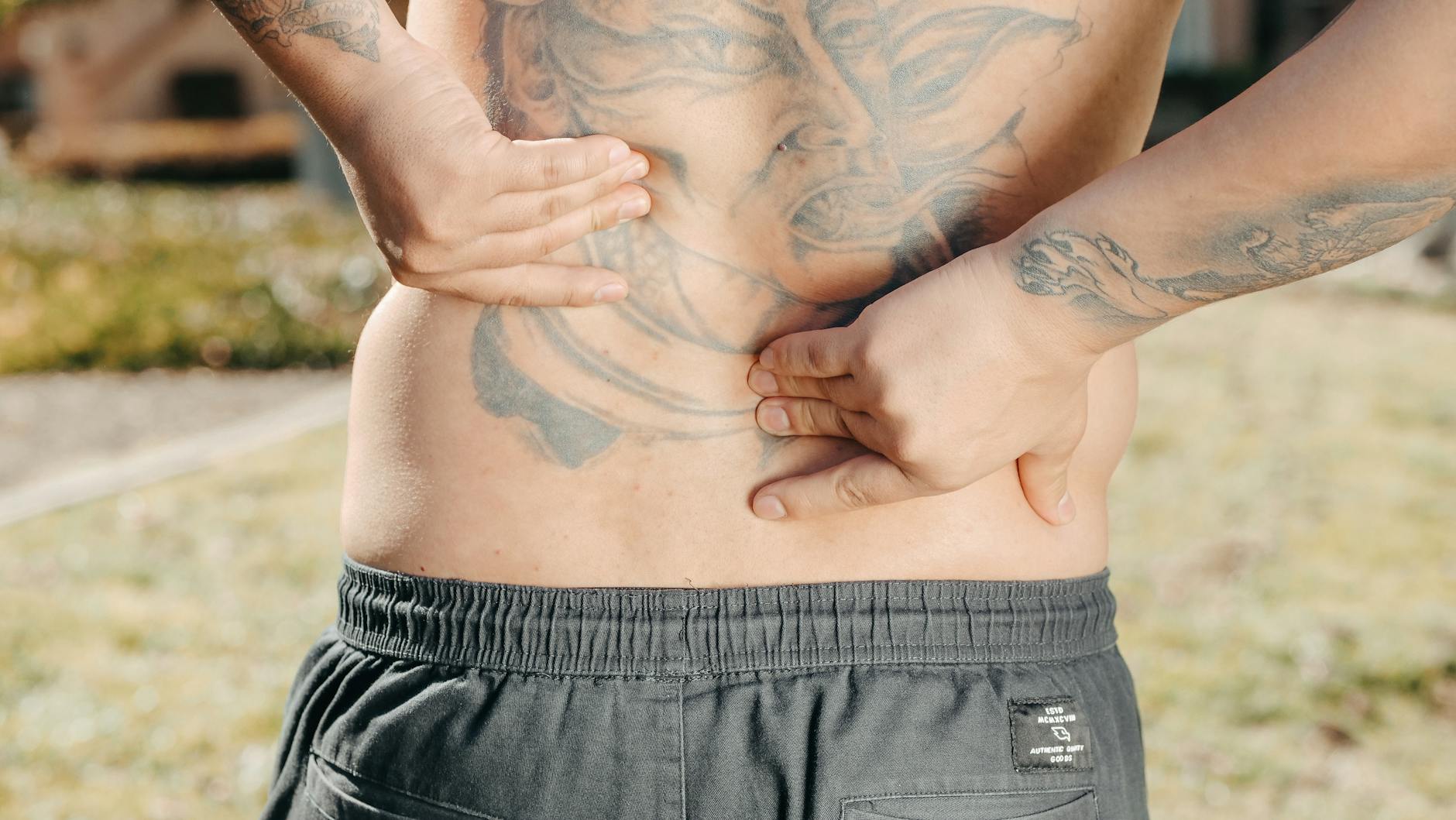
Understanding Left Lower Back Pain Above the Buttocks: A Comprehensive Guide
Lower back pain is an incredibly common complaint. In fact, studies suggest that about 84% of adults experience it at some point in their lives. This pain can manifest on one side or both, and pinpointing the exact location can offer valuable clues about its origin. If you're experiencing pain specifically in your lower back on the left side, just above your buttocks, you're not alone. This guide aims to shed light on the potential causes, symptoms, and management strategies for this type of discomfort, tailored for our readers in India.
The Anatomy of Your Lower Back
Before we dive into the causes, let's briefly touch upon the anatomy. Your lower back, or lumbar spine, consists of five vertebrae. These bony structures are cushioned by intervertebral discs, which act as shock absorbers. Ligaments provide stability, holding the vertebrae together, while tendons connect muscles to the spinal column, enabling movement. The intricate network of nerves in this region, including 31 pairs of spinal nerves, also plays a significant role in sensation and motor function. Any disruption or irritation to these components can lead to pain.
Common Culprits: Muscle Strains and Ligament Sprains
The most frequent cause of lower back pain, including on the left side above the buttocks, is a muscle strain or ligament sprain. A strain involves a tear or overstretching of a muscle or tendon, while a sprain affects ligaments. These injuries often occur due to sudden, awkward movements like twisting or improperly lifting heavy objects, or even overstretching during physical activity. You might notice swelling, difficulty moving, and uncomfortable muscle spasms. These are usually acute injuries that, with proper care, can heal within a few weeks.
Scenario: Imagine you're helping a friend move, and you try to lift a heavy box without bending your knees. You feel a sudden, sharp twinge in your left lower back. This is a classic example of how a muscle strain or ligament sprain can happen unexpectedly.
Sciatica: When a Nerve is Compressed
Sciatica refers to pain that radiates along the path of the sciatic nerve, which runs from your lower back, through your buttocks, and down the back of your leg. When this nerve gets compressed, it can cause significant pain. Common culprits for this compression include a herniated disc, bone spurs, or spinal stenosis (narrowing of the spinal canal). Sciatica typically affects one side of the body, and the pain is often described as electric or burning. It can worsen with activities like coughing, sneezing, or prolonged sitting. In more severe cases, it might lead to numbness or weakness in the affected leg.
Herniated Discs: The Bulging Discs
A herniated disc, also known as a slipped or ruptured disc, happens when the soft, gel-like center of an intervertebral disc pushes through its tougher exterior layer. This bulge can press on nearby spinal nerves, causing pain, numbness, or weakness. Herniated discs can result from injury or simply from the natural wear and tear that occurs with aging. If you've recently experienced lower back pain, a herniated disc might be the underlying cause.
Osteoarthritis: Wear and Tear in the Joints
Osteoarthritis is a degenerative condition where the protective cartilage between your vertebrae gradually breaks down. The lower back is a common area affected by osteoarthritis due to the constant stress of walking and movement. While often associated with aging, previous back injuries can increase your risk. The primary symptoms are pain and stiffness, and bending or twisting your back might exacerbate the discomfort.
Sacroiliac (SI) Joint Dysfunction
Your sacroiliac joints connect your spine to your pelvis. Inflammation of these joints, known as sacroiliitis, can cause pain in the lower back and buttocks, often on one side. The pain typically worsens when you put excessive weight on the affected leg, stand up from a sitting position, or climb stairs.
Kidney Issues: Pain from Within
Your kidneys, located near your lower back, can also be a source of pain. Kidney stones, which form due to a buildup of waste or insufficient fluid intake, can cause sharp pain on one side of the lower back. Small stones might pass unnoticed, but larger ones can lead to intense discomfort, nausea, and changes in urination. Similarly, a kidney infection, often stemming from an untreated urinary tract infection (UTI), can cause similar symptoms. If left untreated, kidney infections can lead to serious damage.
Endometriosis: A Concern for Women
For women, especially those in their 30s and 40s, endometriosis can be a cause of left-sided lower back pain. This condition occurs when tissue similar to the lining of the uterus grows outside the uterus. Endometriosis can cause painful periods, pain during intercourse, and sometimes, lower back pain that may be mistaken for a musculoskeletal issue.
When to Seek Medical Help
While many causes of left lower back pain are manageable with rest and home care, it's important to know when to consult a doctor. Seek immediate medical attention if your pain is:
- Severe and sudden
- Accompanied by fever
- Associated with unexplained weight loss
- Causing loss of bladder or bowel control
- Leading to significant numbness or weakness in your legs
- Following a serious injury or trauma
If your pain is persistent, interferes with your daily activities, or you're concerned about the cause, scheduling an appointment with your doctor is advisable.
Diagnosis: How Doctors Identify the Cause
Diagnosing the cause of your left lower back pain usually involves several steps:
- Medical History: Your doctor will ask detailed questions about your pain, its onset, duration, aggravating and relieving factors, and any other symptoms you're experiencing.
- Physical Examination: This includes checking your range of motion, muscle strength, reflexes, and palpating (feeling) your back to identify tender areas.
- Imaging Tests: Depending on the suspected cause, your doctor might order X-rays, CT scans, or MRI scans to get a clearer view of your bones, discs, nerves, and soft tissues.
- Blood Tests: These may be used to check for infection or inflammation.
- Urine Tests: These can help diagnose kidney problems or infections.
Treatment Options for Left Lower Back Pain
Treatment strategies vary widely depending on the underlying cause. Here are some common approaches:
- Rest and Activity Modification: For mild strains and sprains, short periods of rest followed by gentle movement are often recommended. Avoid activities that worsen the pain.
- Medications: Over-the-counter pain relievers like paracetamol or ibuprofen can help manage pain and inflammation. In some cases, prescription medications, including muscle relaxants or stronger painkillers, may be necessary.
- Physical Therapy: A physiotherapist can guide you through specific exercises to strengthen your back and core muscles, improve flexibility, and correct posture.
- Heat and Cold Therapy: Applying heat or cold packs can help reduce pain and inflammation.
- Injections: For certain conditions like severe sciatica or SI joint pain, corticosteroid injections may be administered to reduce inflammation.
- Surgery: Surgery is typically a last resort and is considered for severe cases, such as significant disc herniation or spinal stenosis that doesn't respond to conservative treatments.
- Addressing Underlying Conditions: If the pain stems from kidney stones, endometriosis, or infection, specific medical treatments targeting these conditions will be required.
Preventing Future Episodes of Back Pain
Prevention is always better than cure. Incorporating these habits can help reduce your risk of experiencing debilitating back pain:
- Maintain Good Posture: Whether sitting, standing, or lifting, be mindful of your posture. Keep your back straight and engage your core muscles.
- Exercise Regularly: Strengthen your core and back muscles with regular exercise. Activities like swimming, walking, and targeted strength training are beneficial.
- Lift Properly: Always bend your knees and keep your back straight when lifting heavy objects. Let your legs do the work, not your back.
- Stay Hydrated: Drinking plenty of water is essential for overall health and can help prevent kidney issues.
- Maintain a Healthy Weight: Excess body weight puts additional strain on your spine.
- Ergonomic Adjustments: Ensure your workspace is set up ergonomically to support your back.
Frequently Asked Questions (FAQs)
Q1: Can sleeping position affect my left lower back pain?
Yes, certain sleeping positions can aggravate back pain. Sleeping on your back with a pillow under your knees or on your side with a pillow between your knees can help maintain spinal alignment and reduce pressure.
Q2: How long does it take for a muscle strain in the lower back to heal?
Most mild to moderate muscle strains heal within 1 to 4 weeks with proper rest and care. However, severe strains may take longer.
Q3: Is left lower back pain always serious?
No, not all left lower back pain is serious. Muscle strains, sprains, and mild sciatica are common and often resolve with conservative treatment. However, it's important to consult a doctor if you experience severe or persistent pain, or if accompanied by other concerning symptoms.
Q4: Can stress cause left lower back pain?
Stress can definitely contribute to back pain. When you're stressed, your muscles can tense up, leading to stiffness and pain, including in the lower back.
When to Consult a Doctor in India
If you are in India and experiencing persistent left lower back pain above your buttocks, it is advisable to consult a general physician or an orthopedic specialist. Don't delay seeking professional medical advice, especially if you notice any of the warning signs mentioned earlier. Early diagnosis and treatment can prevent complications and lead to a faster recovery. Remember, your health is paramount.