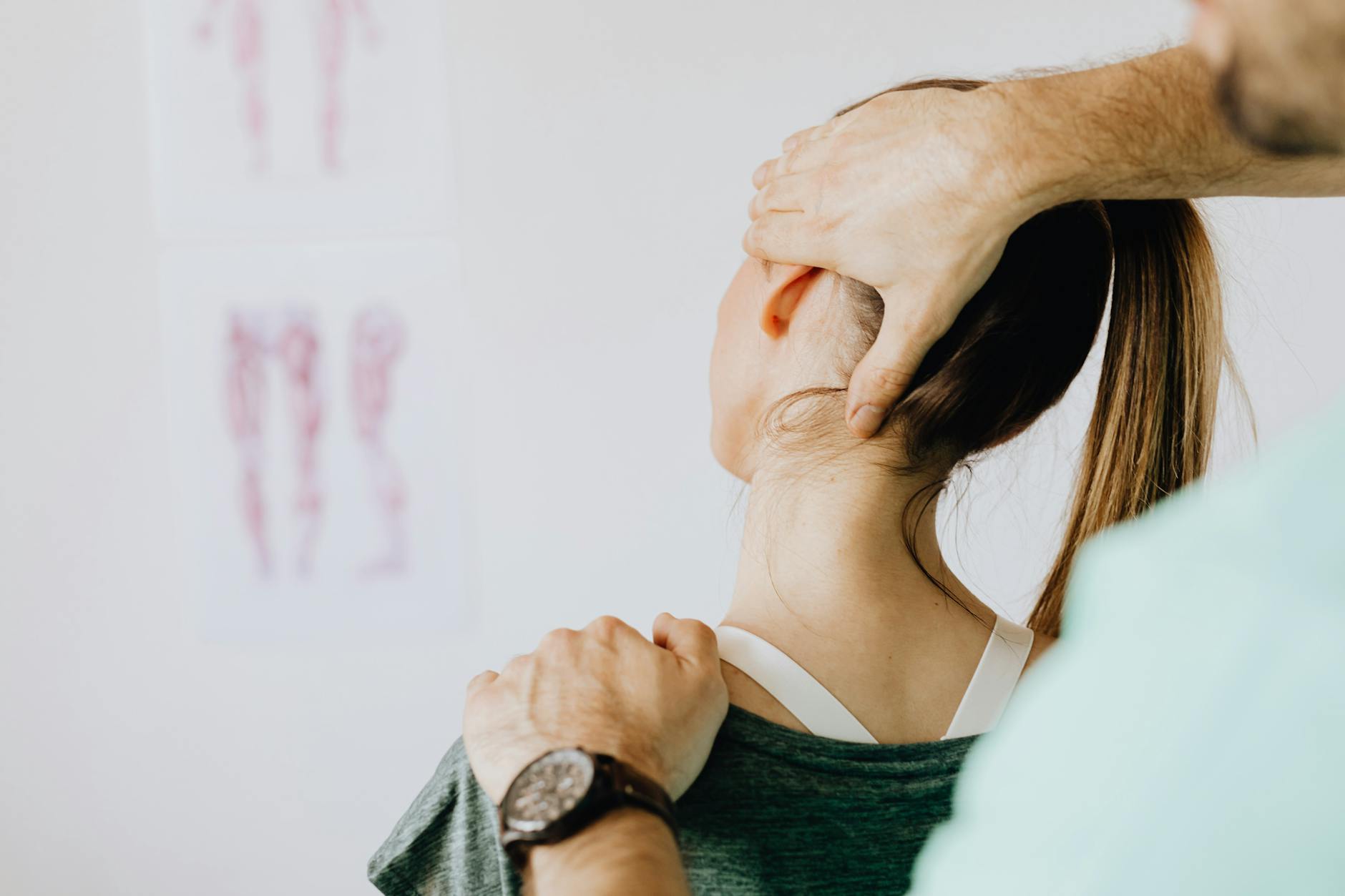
Understanding Osteoporosis and Its Impact on Your Spine Osteoporosis is a condition that weakens bones, making them fragile and more prone to fractures. While it can affect any bone in the body, the spine is particularly vulnerable. In India, as in many parts of the world, osteoporosis is a growing concern, especially among the aging population. This blog post aims to provide a comprehensive understanding of how osteoporosis affects the spine, its symptoms, causes, diagnosis, treatment, and preventive measures, tailored for an Indian audience. How Osteoporosis Affects the Spine Our bones are living tissues that constantly undergo a process of renewal, where old bone is replaced by new bone. In osteoporosis, this balance is disrupted. Either the body doesn't produce enough new bone, or it loses too much old bone, or both. This leads to a decrease in bone density and quality, making the bones porous and weak. The spine, composed of many small bones called vertebrae, is a common site for osteoporosis-related fractures. When the vertebrae weaken, they can crack or collapse, leading to what is known as a spinal compression fracture. These fractures often occur in the front part of the vertebra and can result in a loss of height of the bone. Even minor activities like coughing, sneezing, or bending over can trigger a fracture in severely weakened bones. Symptoms of Spinal Osteoporosis Osteoporosis is often called a 'silent disease' because it typically shows no symptoms until a fracture occurs. Many people are unaware they have the condition until they experience a sudden, severe pain. However, once a fracture happens, symptoms can include: Sudden, severe back pain: This pain often worsens with movement and can last for several weeks. Loss of height: Over time, vertebral compression fractures can lead to a gradual decrease in height. Stooped posture or kyphosis: A rounded upper back, also known as kyphosis, can develop as a result of multiple compression fractures. Fractures with minimal trauma: A fracture occurring from a minor fall or even without any apparent injury. In some cases, spinal stenosis, a narrowing of the spinal canal, can also occur due to osteoporosis. Symptoms of spinal stenosis may include: Pain, numbness, or tingling that radiates down the buttocks and into the legs. Weakness in the legs. In severe cases, numbness and tingling radiating down the arms and into the hands. Causes and Risk Factors Several factors contribute to the development of osteoporosis. Understanding these can help in prevention and early detection: Age: Bone density naturally decreases with age. The risk increases significantly after 50, especially after menopause in women. Gender: Women are more susceptible to osteoporosis than men, particularly after menopause due to a drop in estrogen levels. Menopause: The decline in estrogen during menopause accelerates bone loss in women. Genetics: A family history of osteoporosis increases your risk. Body Frame: Individuals with small body frames tend to have less bone mass to draw from. Hormonal Changes: Low levels of sex hormones (estrogen in women, testosterone in men) can lead to bone loss. Dietary Factors: Insufficient intake of calcium and Vitamin D is a major contributor. Lifestyle: Lack of physical activity, smoking, and excessive alcohol consumption weaken bones. Certain Medical Conditions: Conditions like hyperthyroidism, celiac disease, inflammatory bowel disease, kidney or liver disease, and certain cancers can increase risk. Certain Medications: Long-term use of corticosteroids (like prednisone), some anti-seizure drugs, and certain cancer treatments can lead to bone loss. Diagnosis of Spinal Osteoporosis Diagnosing osteoporosis usually involves a combination of methods: Bone Mineral Density (BMD) Test: The most common test is a DXA scan (dual-energy X-ray absorptiometry), which measures bone density, primarily in the hip and spine. Medical History and Physical Examination: Your doctor will review your medical history, assess your risk factors, and perform a physical exam. X-rays: While standard X-rays cannot detect osteoporosis in its early stages, they can reveal fractures and changes in the spine's shape. Blood and Urine Tests: These may be done to rule out other conditions that can cause bone loss or to check for calcium and Vitamin D levels. Treatment and Management The goal of treatment is to slow or stop bone loss, increase bone density, and prevent fractures. Treatment plans are often personalized and may include: Medications: Several medications are available to treat osteoporosis: Bisphosphonates: These are the most commonly prescribed drugs (e.g., Alendronate, Zoledronic acid). They work by slowing down bone loss and can significantly reduce the risk of spinal fractures. Hormone Replacement Therapy (HRT): Can be effective for postmenopausal women, but carries certain risks. Selective Estrogen Receptor Modulators (SERMs): Drugs like Raloxifene mimic some of the beneficial effects of estrogen on bone. Anabolic Agents: These drugs (e.g., Teriparatide) stimulate new bone formation and are typically used for severe osteoporosis. Denosumab: An injection given every six months that slows bone breakdown. Lifestyle Modifications: These are crucial for managing osteoporosis: Nutrition: Ensure adequate intake of calcium and Vitamin D. Good sources of calcium include dairy products, leafy green vegetables, and fortified foods. Vitamin D is obtained from sunlight exposure and certain foods. Exercise: Regular weight-bearing exercises (like walking, jogging, dancing) and muscle-strengthening exercises are vital. Exercises that improve balance can help prevent falls. Consult your doctor or a physiotherapist for a safe exercise plan. Aim for at least 30 minutes of exercise, three to four times a week. Fall Prevention: Make your home safer by removing tripping hazards, ensuring good lighting, and
In summary, timely diagnosis, evidence-based treatment, and prevention-focused care improve long-term health outcomes.