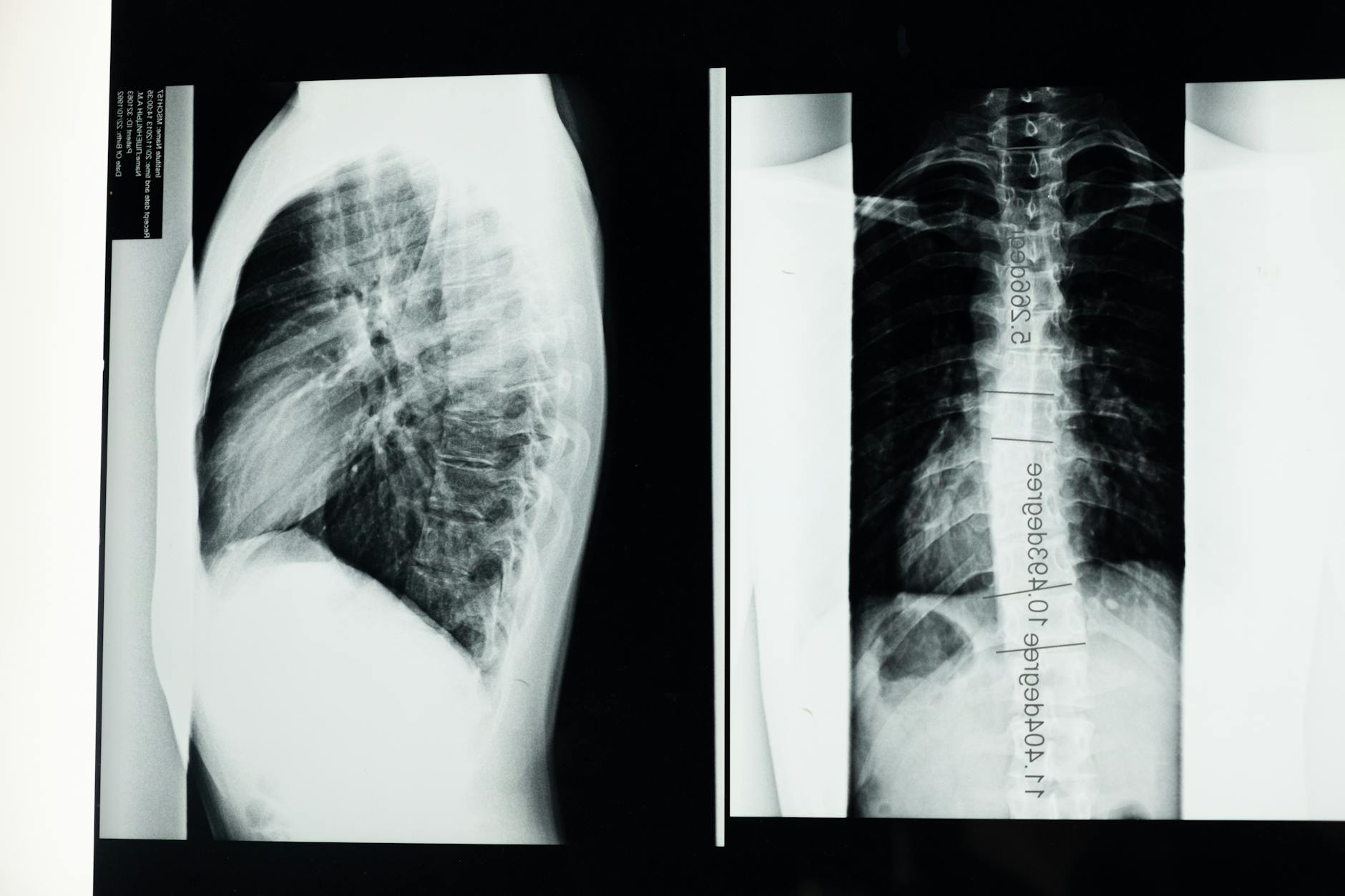
Understanding Osteoporosis and Its Potential Fatal Complications Osteoporosis is a condition that affects millions worldwide, particularly older adults. It is characterized by weakened and brittle bones, making them more susceptible to fractures. While osteoporosis itself is rarely the direct cause of death, the complications arising from fractures, especially hip fractures, can significantly increase mortality risk. This blog post delves into how osteoporosis can lead to fatal outcomes, focusing on the risks, complications, and preventive measures relevant to an Indian audience. What is Osteoporosis? Osteoporosis, meaning 'porous bone,' is a progressive bone disease. As we age, our bodies naturally lose bone density. However, in individuals with osteoporosis, this bone loss occurs at a faster rate than bone formation, leading to weakened bones that are fragile and prone to breaking. This condition often goes unnoticed until a fracture occurs, as there are typically no obvious symptoms in the early stages. The Link Between Osteoporosis and Fatal Outcomes The primary danger of osteoporosis lies in its ability to cause fractures. These fractures, particularly in the hip, spine, and wrist, can lead to severe health issues and, in some cases, death. The mortality risk is not directly from the osteoporosis but from the complications that follow a fracture. Hip Fractures: A Major Concern Hip fractures are among the most serious consequences of osteoporosis. For individuals, especially older adults, who suffer a hip fracture, the risk of mortality within a year can be as high as 22%, according to research. This elevated risk is often due to: Immobility and its consequences: A hip fracture often leads to prolonged bed rest and reduced mobility. This immobility can result in serious complications like blood clots (deep vein thrombosis or pulmonary embolism), pneumonia, and urinary tract infections. Underlying health conditions: Many individuals with osteoporosis also have other chronic health conditions (comorbidities) such as heart disease, diabetes, or respiratory issues. A hip fracture can exacerbate these existing conditions, making recovery more challenging and increasing the risk of fatal outcomes. Surgical complications: While surgery is often necessary to repair a hip fracture, it carries its own risks, especially in older or frail individuals. Other Fractures and Their Complications While hip fractures are the most critical, other fractures associated with osteoporosis can also have serious implications: Vertebral (Spine) Fractures: These can lead to chronic back pain, loss of height, stooped posture (kyphosis), and difficulty breathing. They can also increase the risk of further fractures. Wrist Fractures: While generally less life-threatening than hip fractures, they can lead to significant disability, pain, and reduced independence, impacting overall quality of life. Life Expectancy with Osteoporosis The life expectancy of someone with osteoporosis can vary significantly. Factors influencing this include: Age at diagnosis: Younger individuals diagnosed with osteoporosis generally have a better prognosis. Presence of fractures: Those who have already experienced fractures, especially hip fractures, tend to have a reduced life expectancy. Underlying health conditions: The presence of other chronic diseases plays a crucial role. Adherence to treatment: Early diagnosis and consistent adherence to treatment plans can significantly improve bone density, reduce fracture risk, and positively impact life expectancy. Studies suggest that untreated osteoporosis can lead to a notable reduction in life expectancy, particularly in older adults. However, with effective management, individuals can lead longer, healthier lives. Symptoms of Osteoporosis In its early stages, osteoporosis often has no symptoms. As bone loss progresses, symptoms may include: Back pain, caused by a fractured or collapsed vertebra. Loss of height over time. A stooped posture or kyphosis. Bones that break much more easily than expected (e.g., from a minor fall). Diagnosis of Osteoporosis Diagnosis typically involves: Bone Mineral Density (BMD) Test: A DEXA scan (dual-energy X-ray absorptiometry) is the most common and accurate method to measure bone density. Medical History and Physical Exam: Doctors will assess risk factors, diet, medications, and perform a physical examination. Imaging Tests: X-rays can detect fractures but are not sensitive enough to diagnose osteoporosis in its early stages. Treatment and Management The goal of osteoporosis treatment is to slow or stop bone loss, increase bone density, and prevent fractures. Treatment strategies include: 1. Medications: Several medications are available to improve bone health: Bisphosphonates: These are the most commonly prescribed drugs to slow bone loss (e.g., Alendronate, Risedronate). Denosumab: An injection given every six months that slows bone breakdown. Hormone-related therapies: Such as estrogen therapy for postmenopausal women. Anabolic agents: These drugs stimulate bone formation and are typically used for severe osteoporosis. 2. Lifestyle Modifications: These are crucial for bone health: Adequate Calcium and Vitamin D Intake: Essential for building and maintaining strong bones. Good sources include dairy products (milk, yogurt, cheese), leafy green vegetables (spinach, kale), and fortified foods. Vitamin D can be obtained from sunlight exposure and supplements. Regular Exercise: Weight-bearing exercises (walking, jogging, dancing) and muscle-strengthening exercises (lifting weights, resistance training) are vital. However, consult a doctor before starting any new exercise regimen, especially if you have osteoporosis. Avoid Smoking and Limit Alcohol: Smoking and excessive alcohol consumption can negatively impact bone density. Prevention Strategies Preventing osteoporosis and its complications involves a multi-faceted approach: Maintain a Healthy Diet: Ensure sufficient intake of calcium and vitamin D throughout life. Engage in Regular Exercise: Start early and continue throughout life. Avoid Risk Factors: Quit smoking, limit alcohol, and manage chronic conditions effectively. Fall Prevention: Make your home safer by removing tripping hazards, ensuring good lighting, and using assistive devices if needed. Regular
In summary, timely diagnosis, evidence-based treatment, and prevention-focused care improve long-term health outcomes.