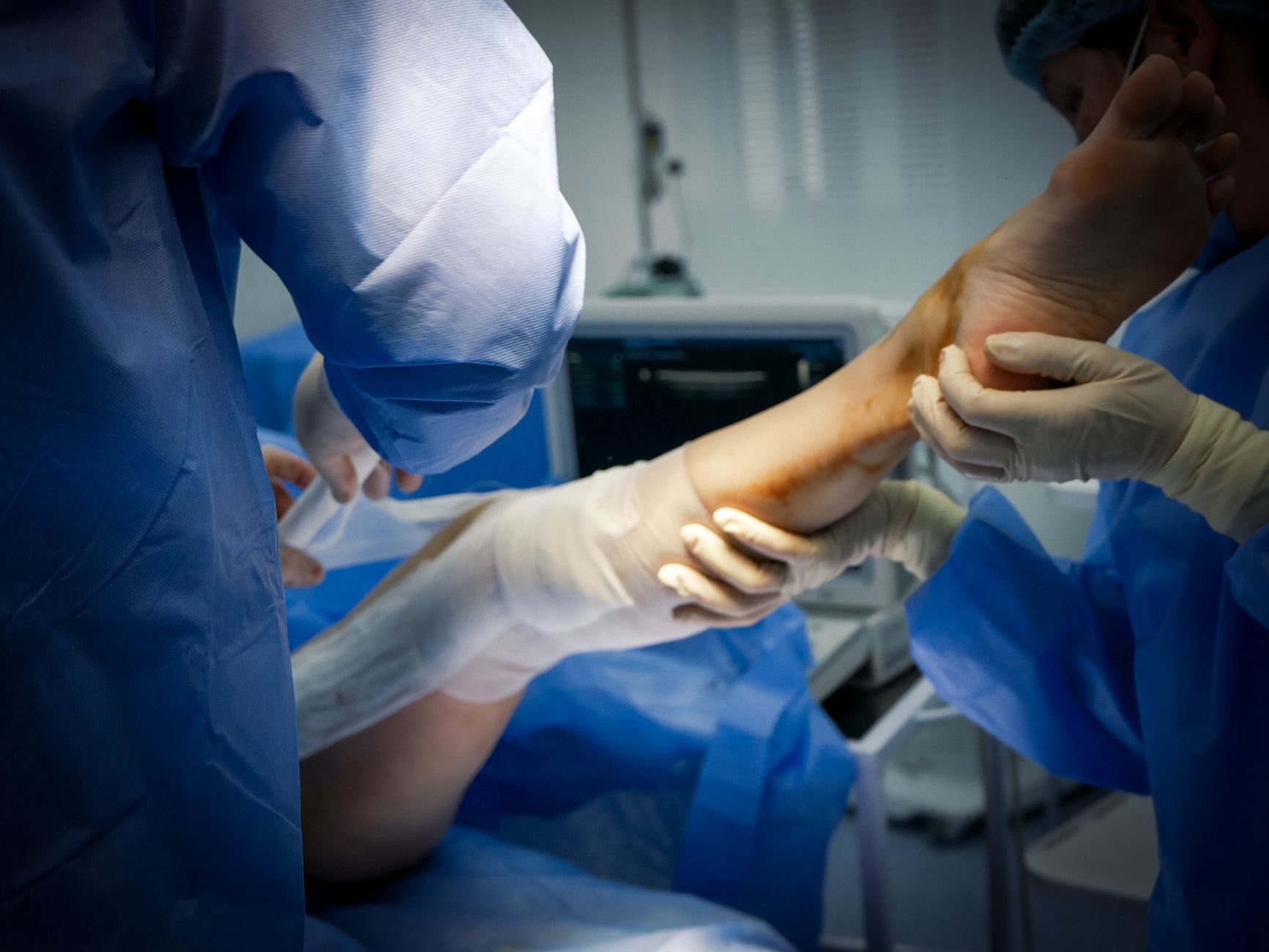
Heel pain can be a real nuisance, making everyday activities like walking or even standing feel like a challenge. For many, this pain is caused by plantar fasciitis, a condition affecting the thick band of tissue running along the bottom of your foot. While most cases resolve with conservative treatments, some individuals continue to suffer from chronic pain. In such situations, plantar fasciitis surgery might be considered. This blog post explores when surgery becomes a viable option, what the procedures entail, and what you can expect during recovery. We aim to provide clear, practical information for our readers in India, helping you understand this treatment path better.
Understanding Plantar Fasciitis
Before diving into surgery, let's briefly understand what plantar fasciitis is. Your plantar fascia is a strong, fibrous ligament that connects your heel bone to your toes, supporting the arch of your foot. When this ligament becomes inflamed or irritated, it leads to plantar fasciitis, a common cause of heel pain. This pain is often sharpest in the morning or after periods of rest, and it can worsen with prolonged standing or activity.
When Conservative Treatments Aren't Enough
It's important to know that surgery for plantar fasciitis is rarely the first step. In fact, studies suggest that about 90 percent of people find relief within a year through non-surgical methods. These can include:
- Physical Therapy: Specific stretching and strengthening exercises prescribed by a physiotherapist can significantly improve flexibility and reduce tension on the plantar fascia.
- Injections: Cortisone, local anesthetic, or platelet-rich plasma (PRP) injections can help reduce inflammation and promote healing in some cases.
- Extracorporeal Shock Wave Therapy (ESWT): This treatment uses high-energy sound waves to stimulate healing in the damaged tissue.
- Radiofrequency Ablation: This technique uses heat to interrupt pain signals from the affected area.
For many, these approaches bring much-needed relief. However, if you've diligently followed these treatments for at least six months and your heel pain persists, it might be time to discuss surgical options with your doctor.
Who is a Good Candidate for Plantar Fasciitis Surgery?
Deciding on surgery is a significant step. Your doctor will likely consider you a candidate if you meet certain criteria:
- Persistent, Severe Pain: You continue to experience intense heel pain despite trying various conservative treatments for an extended period (usually 6 months or more).
- Functional Impairment: Your pain significantly limits your ability to participate in daily activities, work, or physical exercise.
- Impact on Quality of Life: The chronic pain is affecting your overall well-being and ability to enjoy life.
- Exclusion of Other Conditions: Your doctor has ruled out other potential causes for your heel pain.
Imagine you're a homemaker in Delhi who loves her morning walks in Lodhi Garden. For months, a sharp pain in her heel has made these walks unbearable, and even standing for long periods while cooking has become difficult. Despite trying home remedies and seeing a local doctor for stretches, the pain doesn't subside. This is the kind of persistent, life-disrupting pain that might lead a doctor to consider surgery.
Understanding the Surgical Procedures
There are generally two main types of surgery for plantar fasciitis:
1. Plantar Fasciotomy (Open Surgery)
This is the more traditional approach. It typically involves:
- Anesthesia: You'll likely receive general anesthesia or a regional block with sedation.
- Incision: The surgeon makes a small incision, usually 1 to 2 inches long, on the bottom of your foot.
- Procedure: Through this incision, the surgeon can access your plantar fascia and detach it from the heel bone. This detachment helps relieve tension. If any trapped nerves or bone spurs are contributing to the pain, they can also be addressed during this surgery.
2. Endoscopic Plantar Fasciotomy (EPF)
This is a less invasive technique that uses a small camera and specialized instruments:
- Anesthesia: Similar anesthesia options are available.
- Incisions: Instead of one larger cut, the surgeon makes one or two very small incisions (about half an inch each) on the side of your foot.
- Procedure: A small camera (endoscope) is inserted through one incision to view the plantar fascia, while instruments are inserted through the other to carefully cut the ligament, releasing tension. This method often involves less disruption to surrounding tissues.
The choice between open surgery and endoscopic surgery depends on various factors, including the surgeon's expertise, your specific condition, and your overall health. Your doctor will discuss the best option for you.
What to Expect Before Surgery
Before your surgery, your medical team will provide detailed pre-operative instructions. It's essential to follow these closely. You might be asked to:
- Stop Eating and Drinking: Typically, you'll need to avoid food and drink for 6 to 8 hours before the procedure to prepare for anesthesia.
- Medication Adjustments: Discuss all your current medications with your doctor. You may receive specific instructions on whether to take your regular morning medications.
- Arrange Transportation: Since you won't be able to drive after surgery, arrange for someone to take you home.
The Recovery Process
Recovery is a critical part of the healing journey and varies depending on the surgical method used:
Recovery from Open Surgery
- Weight-Bearing: You might need to keep your foot elevated and may use crutches or a walking boot. Your ability to bear weight will depend on the surgeon's specific instructions.
- Duration: Full recovery from open surgery can take approximately 6 to 10 weeks. During this time, you'll gradually increase your activity levels as advised by your doctor.
- Physical Therapy: Post-surgery physical therapy is usually essential to regain strength, flexibility, and proper walking mechanics.
Recovery from Endoscopic Surgery
- Weight-Bearing: Patients often find they can bear limited weight on their foot much sooner after endoscopic surgery.
- Footwear: You might be able to wear regular shoes within a day or two.
- Scarring: Scarring is generally minimal due to the smaller incisions.
- Duration: Recovery is typically shorter, often ranging from 3 to 6 weeks.
- Physical Therapy: As with open surgery, rehabilitation exercises will be key to a successful outcome.
Regardless of the method, consistent adherence to your doctor's post-operative care plan, including rest, physical therapy, and any prescribed medications, is vital for optimal healing and pain relief.
Potential Risks and Complications
Like any surgical procedure, plantar fasciitis surgery carries potential risks. While generally safe, complications can include:
- Infection
- Nerve damage
- Persistent pain
- Stiffness in the foot
- Incomplete healing
Your surgeon will discuss these risks with you in detail and take all necessary precautions to minimize them.
Success Rates
Overall, surgery to release the plantar fascia has shown good success rates. Studies indicate that anywhere from 70 to 90 percent of patients experience significant pain relief and improved function after the procedure. However, individual results can vary.
When to Consult a Doctor
Don't let heel pain dictate your life. If you're experiencing persistent, severe heel pain that hasn't improved with at least six months of conservative treatment, it's time to seek professional medical advice. Schedule an appointment with your doctor or a podiatrist to discuss your symptoms and explore all available treatment options, including the possibility of surgery.
Frequently Asked Questions (FAQ)
Q1: Will my plantar fasciitis come back after surgery?
While surgery aims to provide long-term relief, there's always a small chance of recurrence, especially if post-operative care and rehabilitation exercises are not followed diligently. Maintaining healthy foot habits and appropriate footwear can help prevent this.
Q2: Can I return to sports after plantar fasciitis surgery?
Yes, most individuals can return to their previous level of physical activity and sports after a successful recovery. The timeline for returning to sports will depend on the type of surgery and your individual healing progress. Your doctor and physical therapist will guide you on when it's safe to resume sports activities.
Q3: How long does it take to walk normally after surgery?
After endoscopic surgery, you might walk with minimal assistance within a few days. For open surgery, it might take a few weeks before you can walk comfortably without aids like crutches or a boot, and full normal walking gait may take longer as rehabilitation progresses.