Understanding Osteoporosis and the Role of Red Light Therapy
Osteoporosis is a significant health concern, particularly in India, where a large population is at risk due to factors like nutritional deficiencies, lifestyle choices, and aging. This condition is characterized by weakened or decreased bone mass, making bones fragile and more susceptible to fractures. While traditional treatments like medication, dietary changes, and exercise are crucial, emerging therapies like Red Light Therapy (RLT) are gaining attention for their potential to complement these established methods. This blog post delves into what Red Light Therapy is, how it might benefit individuals with osteoporosis, the current scientific evidence, potential risks, and what you should consider before trying it.
What is Osteoporosis?
Osteoporosis, often called a "silent disease," develops gradually without noticeable symptoms until a fracture occurs. It happens when the body loses too much bone, makes too little bone, or both. This leads to a reduction in bone mineral density (BMD), making the bones porous and brittle. Common fracture sites include the hip, spine, and wrist. Factors increasing the risk of osteoporosis include age, gender (women are more prone, especially after menopause), family history, certain medical conditions, long-term use of some medications, and lifestyle factors such as low calcium and vitamin D intake, lack of physical activity, smoking, and excessive alcohol consumption.
What is Red Light Therapy (RLT)?
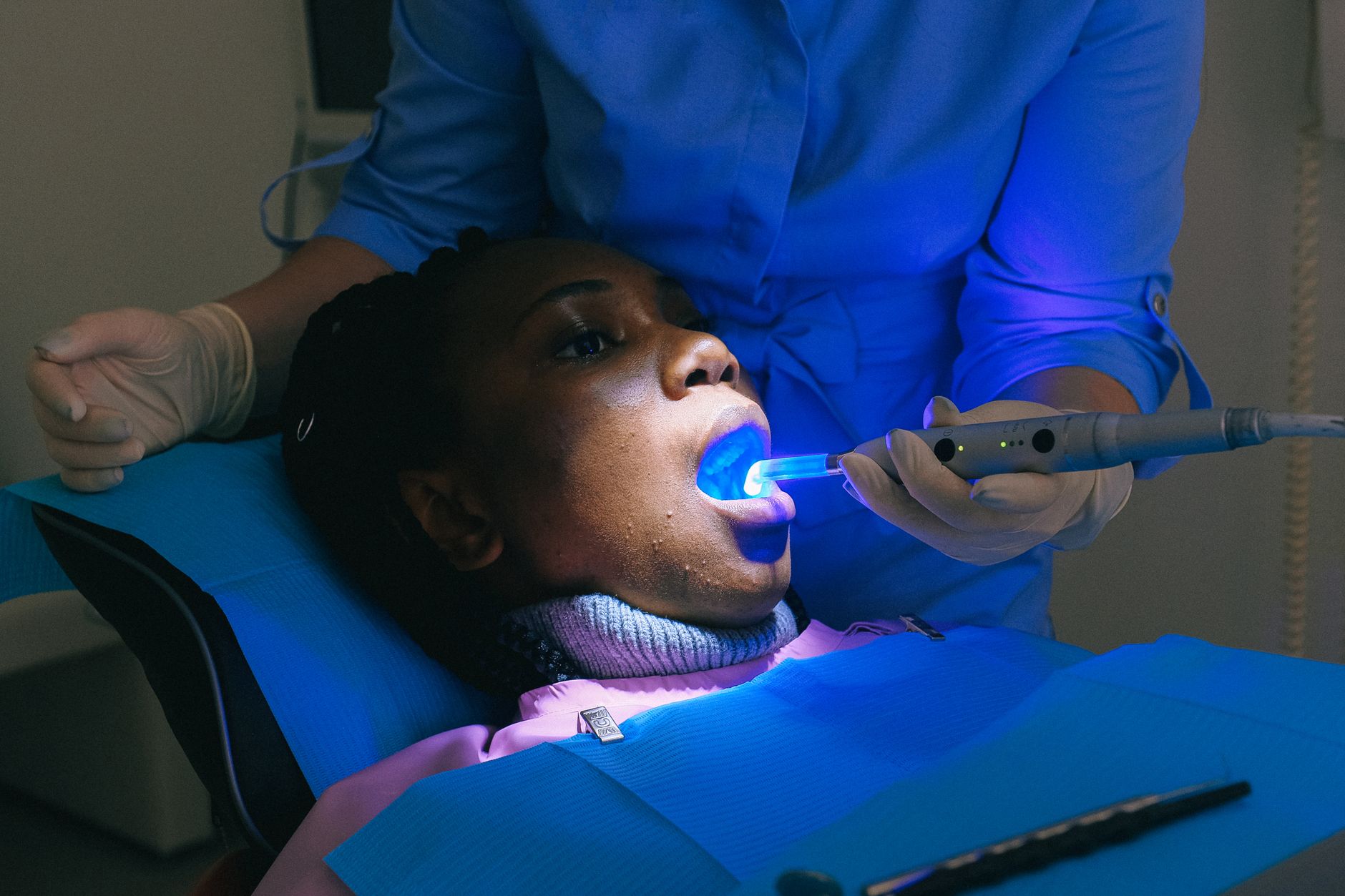
Red Light Therapy, also known as photobiomodulation (PBM), is a non-invasive treatment that uses specific wavelengths of red and near-infrared light. These wavelengths are believed to penetrate the skin and reach the cells, where they can stimulate cellular processes. Unlike UV light, RLT does not cause damage to skin cells. It is often used in medical and spa settings, and increasingly, home-use devices are becoming available for various concerns, including skin rejuvenation, pain relief, and hair growth. The core idea is that this light energy can promote healing and regeneration at a cellular level.
How Might Red Light Therapy Help with Osteoporosis?
The potential benefits of RLT for osteoporosis are rooted in its ability to influence cellular activity. Research suggests that RLT may:
- Promote Bone Tissue Regeneration: A 2020 review indicated that red light could aid in the regeneration of bone tissue without harming surrounding healthy cells. This suggests RLT might help in rebuilding weakened bone structures.
- Improve Bone Mineral Density (BMD): By stimulating osteoblasts (bone-building cells) and potentially inhibiting osteoclasts (bone-resorbing cells), RLT could theoretically help increase BMD over time.
- Reduce Inflammation and Pain: Osteoporosis can sometimes be associated with inflammation and pain, especially if fractures occur. RLT has shown promise in reducing inflammation and alleviating pain in other conditions, which could be beneficial for individuals experiencing discomfort due to osteoporosis.
- Enhance Cellular Energy Production: RLT is thought to boost mitochondrial function, leading to increased ATP (adenosine triphosphate) production, the primary energy currency of cells. This enhanced energy can support cellular repair and regeneration processes within bone tissue.
Current Evidence and Research
While the concept is promising, the scientific evidence specifically for RLT as a primary treatment for osteoporosis is still developing. A 2023 systematic review highlighted that while laser therapies (a form of light therapy) could promote bone regeneration, there is no established consensus yet on the optimal intensity or treatment duration. Most studies have been conducted on animals or in laboratory settings. Human trials focusing solely on RLT for osteoporosis are limited, and more robust, large-scale studies are needed to confirm its efficacy and establish standardized treatment protocols.
Potential Benefits of RLT for Osteoporosis
If RLT proves effective, it could offer several advantages:
- Non-invasive: It does not require surgery or injections.
- Complementary Therapy: It can potentially be used alongside conventional treatments to enhance their effects.
- Reduced Inflammation and Pain: May offer relief for associated symptoms.
- Safety Profile: Generally considered safe when used correctly.
Potential Side Effects and Precautions
RLT is generally considered safe for most individuals, but it's essential to be aware of potential side effects and take necessary precautions:
- Eye Damage: It is crucial to wear protective goggles during RLT sessions to prevent potential damage to the eyes.
- Hyperpigmentation: Individuals with darker skin tones may need to exercise caution, as RLT could potentially increase the risk of hyperpigmentation or long-lasting dark spots.
- Not a Primary Treatment: RLT should not be used as a substitute for established osteoporosis treatments recommended by a doctor.
- Consultation is Key: Always consult with a healthcare professional before starting RLT, especially if you have underlying health conditions or are undergoing other treatments.
Who Should Not Use Red Light Therapy?
While RLT is generally safe, certain individuals should avoid it or use it with extreme caution and under strict medical supervision:
- Individuals who have not consulted a doctor about RLT.
- People with a history of photosensitivity or those taking photosensitizing medications.
- Those with certain eye conditions that could be exacerbated by light exposure.
- As mentioned, individuals with darker skin tones should be particularly cautious due to the risk of hyperpigmentation.
Standard Treatments for Osteoporosis in India
It is vital to remember that RLT is considered an adjunct or complementary therapy. The cornerstone of osteoporosis management includes:
- Dietary Modifications: Ensuring adequate intake of calcium and vitamin D through diet (dairy products, leafy greens, fortified foods) or supplements, as advised by a doctor.
- Medications: Doctors may prescribe medications like bisphosphonates (e.g., Alendronate, Risedronate) or other bone-building drugs to slow bone loss and reduce fracture risk.
- Exercise Program: Regular weight-bearing exercises (walking, jogging, dancing), muscle-strengthening exercises (weight training), and balance exercises (yoga, Tai Chi) are crucial for maintaining bone health and preventing falls.
- Lifestyle Changes: Quitting smoking, limiting alcohol consumption, and managing stress are important preventive measures.
When to Consult a Doctor
It is essential to consult a doctor if you:
- Have been diagnosed with osteoporosis.
- Experience unexplained bone pain or fractures.
- Are at high risk for osteoporosis (e.g., postmenopausal women, individuals with a family history).
- Are considering Red Light Therapy as a complementary treatment.
- Are experiencing side effects from current osteoporosis treatments.
Conclusion
Red Light Therapy shows potential as a complementary approach to managing osteoporosis, possibly by aiding bone regeneration and reducing inflammation. However, it is not a standalone cure and should never replace conventional medical treatments. The scientific evidence is still emerging, and more research is needed to establish its effectiveness and optimal use. If you are considering RLT for osteoporosis, discuss it thoroughly with your healthcare provider to ensure it is safe and appropriate for your individual needs and treatment plan. Prioritizing a balanced diet, regular exercise, and prescribed medications remains the most effective strategy for bone health.