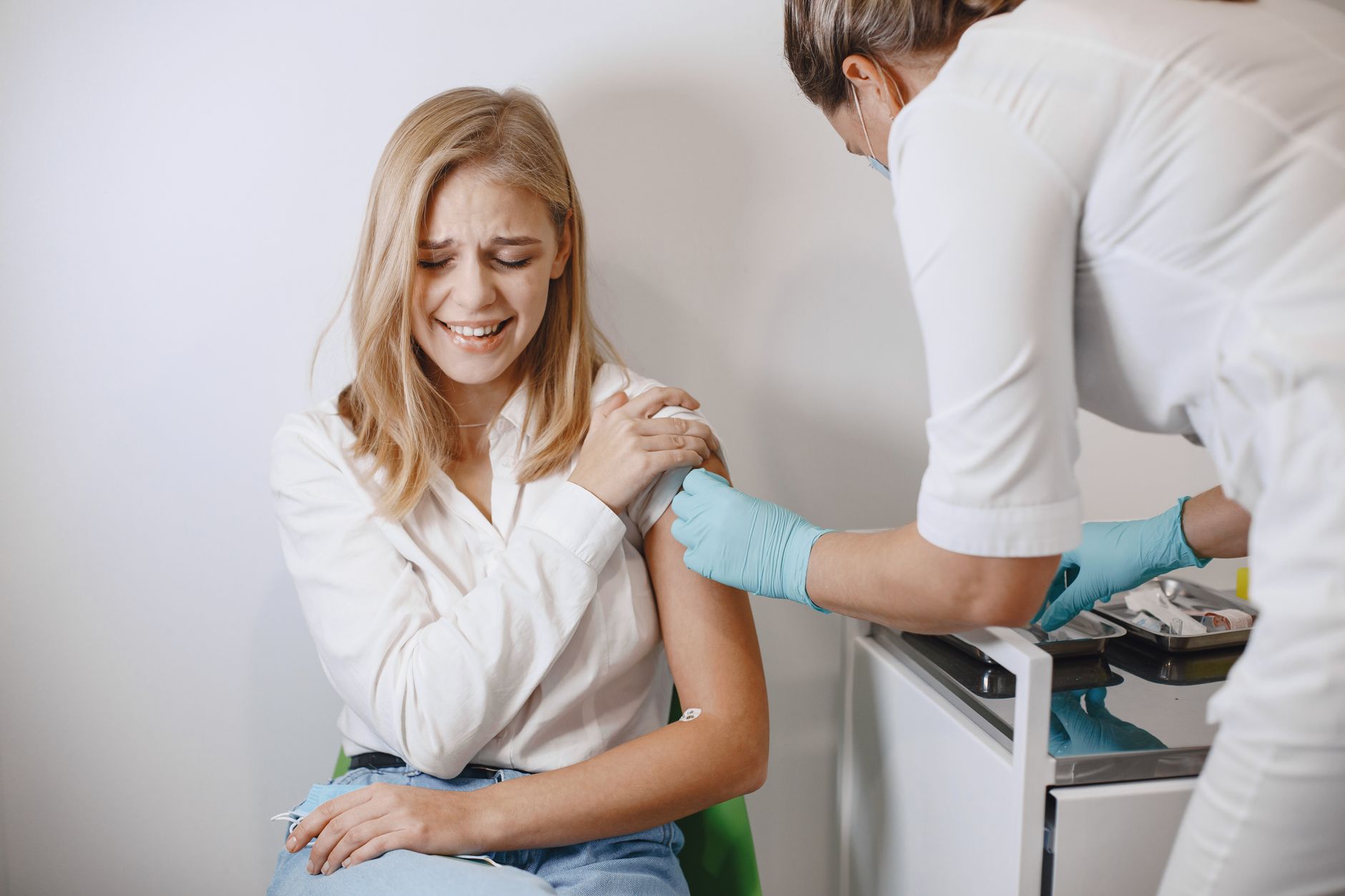
Understanding Shoulder Pain After Vaccination: What You Need to Know
Receiving a vaccine is a crucial step in protecting yourself and the community from various infectious diseases. While vaccines are overwhelmingly safe and effective, some individuals may experience mild side effects, such as soreness at the injection site. In rare cases, more significant issues can arise, including a condition known as Shoulder Injury Related to Vaccine Administration (SIRVA). This blog post aims to provide a comprehensive understanding of SIRVA, its causes, symptoms, diagnosis, treatment, and prevention, specifically tailored for an Indian audience.
What is SIRVA?
Shoulder Injury Related to Vaccine Administration, or SIRVA, is a condition that can occur when a vaccine is injected into the shoulder at an incorrect location or depth. This can lead to injury of the muscles, tendons, or nerves in the shoulder, resulting in pain, weakness, and limited range of motion. While most vaccine-related shoulder pain is mild and temporary, SIRVA can sometimes lead to chronic or even permanent issues if not addressed properly. It's important to note that SIRVA is a rare complication, and the benefits of vaccination far outweigh the risks.
Symptoms of SIRVA
The symptoms of SIRVA typically manifest within 48 hours of receiving a vaccination. These symptoms can vary in severity but often include:
- Persistent shoulder pain: This pain may be dull or sharp and can worsen with movement.
- Limited range of motion: Difficulty lifting the arm, reaching overhead, or performing everyday activities.
- Weakness in the arm: A noticeable decrease in strength when trying to lift or move the arm.
- Altered sensation: Some individuals might experience numbness, tingling, or pins and needles in the arm or shoulder.
- Swelling or bruising: While common at the injection site, persistent or severe swelling can be indicative of SIRVA.
It's crucial to distinguish between the common, mild soreness that usually resolves within a few days and the more severe, persistent symptoms associated with SIRVA.
Causes of SIRVA
The primary cause of SIRVA is improper vaccine administration. This can occur due to:
- Incorrect needle placement: The vaccine is injected too high, too low, or too deep into the shoulder muscle (deltoid). The ideal injection site is in the central and thickest part of the deltoid muscle, about two to three fingerbreadths below the acromion process (the bony tip of the shoulder).
- Local reaction to the vaccine serum: In some rare instances, the body's reaction to the vaccine itself, combined with improper placement, can contribute to SIRVA.
The Immunization Action Coalition (IAC) and the Advisory Committee on Immunization Practices (ACIP) provide guidelines for correct vaccine administration to minimize the risk of such injuries. Healthcare professionals are trained to follow these protocols to ensure patient safety.
Diagnosis of SIRVA
Diagnosing SIRVA can be challenging as shoulder pain is a common symptom for many conditions. However, a doctor will consider the following when diagnosing SIRVA:
- Medical History: A detailed history of the vaccination, including the date, type of vaccine, and the onset and nature of shoulder pain.
- Physical Examination: The doctor will assess the range of motion, strength, and tenderness in the shoulder and arm. They will also check for any signs of nerve involvement.
- Imaging Tests: In some cases, imaging tests such as an X-ray, MRI, or ultrasound may be ordered to visualize the extent of damage to the muscles, tendons, or other structures in the shoulder. These tests can help rule out other causes of shoulder pain and confirm the diagnosis of SIRVA.
It's important to provide your doctor with accurate information about your vaccination history to aid in an accurate diagnosis.
Treatment for SIRVA
The treatment for SIRVA focuses on managing pain, restoring function, and preventing long-term complications. Treatment options may include:
- Pain Management: Over-the-counter pain relievers like paracetamol or ibuprofen can help manage mild pain. In more severe cases, prescription pain medications or corticosteroid injections may be recommended.
- Physical Therapy: This is a cornerstone of SIRVA treatment. A physiotherapist will design a personalized exercise program to improve range of motion, strengthen shoulder muscles, and restore normal function. Exercises may include stretching, strengthening, and range-of-motion activities.
- Rest and Activity Modification: Avoiding activities that aggravate the pain is important. Your doctor or physiotherapist may advise on modifying certain movements or activities.
- Injections: Corticosteroid injections can help reduce inflammation and pain in the shoulder joint.
- Surgery: In very rare and severe cases where conservative treatments have failed, surgery might be considered to repair damaged tissues or address other underlying issues.
Early diagnosis and prompt treatment are key to a successful recovery from SIRVA.
Prevention of SIRVA
The best way to prevent SIRVA is through proper vaccine administration techniques. This includes:
- Correct Needle Placement: Ensuring the vaccine is injected into the thickest part of the deltoid muscle at the correct depth.
- Awareness of Anatomy: Healthcare providers must be knowledgeable about the anatomy of the shoulder to avoid injecting into sensitive areas.
- Adherence to Guidelines: Following established guidelines from health organizations like the IAC and ACIP.
Patients can also play a role by communicating any concerns they have about the injection site with the healthcare provider before vaccination.
When to Consult a Doctor
While mild soreness after vaccination is normal, you should consult a doctor if you experience any of the following:
- Severe or persistent pain: If the pain is intense and does not improve with over-the-counter pain relievers within a week.
- Significant loss of motion: If you are unable to move your arm or shoulder normally.
- Symptoms that worsen: If your symptoms are not improving or are getting worse over time.
- Signs of infection: Such as fever, redness, or warmth spreading from the injection site.
Don't hesitate to seek medical advice if you have concerns about your shoulder pain after vaccination.
Frequently Asked Questions (FAQ)
Is shoulder pain after a vaccine always SIRVA?
No, not all shoulder pain after a vaccine is SIRVA. Mild soreness, redness, and swelling at the injection site are common and usually resolve on their own. SIRVA is a specific injury caused by improper injection technique, leading to more severe and persistent symptoms.
Can SIRVA be permanent?
In most cases, SIRVA can be effectively treated with physical therapy and other medical interventions, leading to a full recovery. However, in rare instances, if left untreated or if the injury is severe, it can lead to chronic pain or long-term limitations.
Are all vaccines associated with SIRVA?
SIRVA can potentially occur with any intramuscular injection in the shoulder, including routine vaccines like the flu shot, tetanus booster, and COVID-19 vaccines.
What is the best treatment for SIRVA?
The best treatment for SIRVA typically involves a combination of pain management, physical therapy to restore range of motion and strength, and sometimes corticosteroid injections. Early intervention is key.
How can I ensure my vaccine is administered correctly?
While you can't directly control the injection technique, you can ensure the healthcare provider appears knowledgeable and follows standard procedures. If you have concerns, you can politely ask about the injection site. Trusting your healthcare provider and their training is generally recommended.
Disclaimer: This information is for educational purposes only and does not constitute medical advice. Always consult with a qualified healthcare professional for any health concerns or before making any decisions related to your health or treatment.