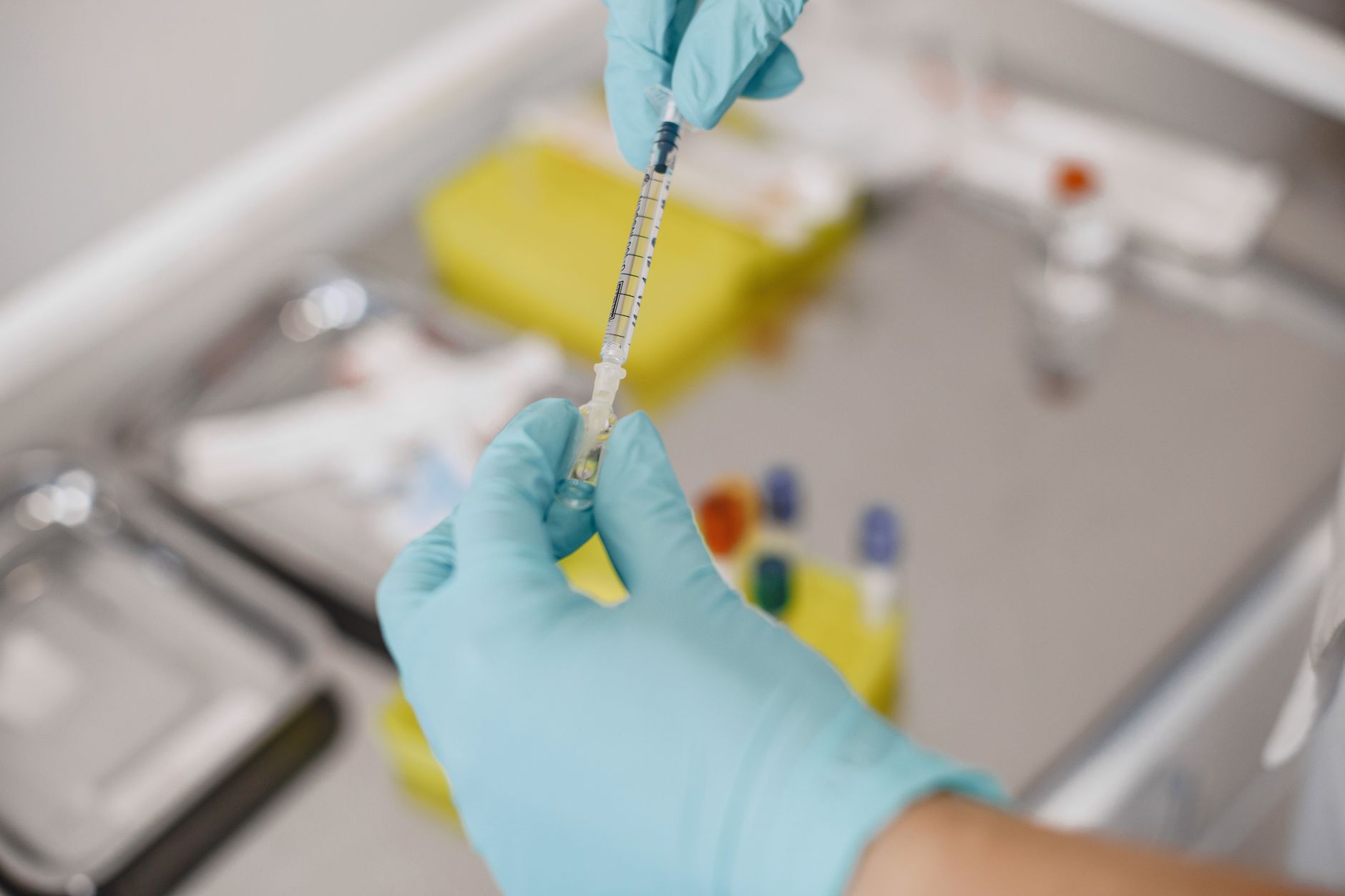
Steroid injections, also known as corticosteroid injections, are a powerful tool in modern medicine, offering relief for a wide range of inflammatory conditions. In India, where conditions like arthritis and autoimmune diseases are prevalent, understanding these injections is vital for many patients seeking effective treatment. This guide aims to demystify steroid injections, explaining what they are, why doctors use them, what you can expect during the procedure, and how to care for yourself afterward.
What Exactly Are Steroid Injections?
Steroid injections involve administering corticosteroids directly into a specific area of the body. These corticosteroids are synthetic versions of cortisol, a hormone naturally produced by your adrenal glands. Cortisol plays a key role in your body's response to stress, injury, or illness. It helps regulate your immune system and reduce inflammation. When injected, corticosteroids amplify these natural anti-inflammatory and immune-suppressing effects, targeting the source of pain and swelling much more effectively than oral medications.
It's important to distinguish these from anabolic steroids, which are often misused for muscle building. Corticosteroid injections are purely for treating inflammation and related conditions.
Why Do Doctors Recommend Steroid Injections?
Doctors prescribe steroid injections primarily to combat inflammation. This inflammation is often the root cause of pain and discomfort in various medical conditions. Some common reasons for recommending these injections include:
- Autoimmune Disorders: Conditions like rheumatoid arthritis, where your immune system mistakenly attacks your own body, causing widespread inflammation.
- Joint and Muscle Conditions: This covers a broad spectrum, including tendonitis (inflammation of a tendon), bursitis (inflammation of the fluid-filled sacs near joints), frozen shoulder, and certain types of arthritis like osteoarthritis flare-ups.
- Certain Injuries: Sometimes, localized inflammation from an injury can be effectively managed with a targeted steroid injection.
Essentially, if a specific area of your body is inflamed and causing significant pain or limiting your mobility, a steroid injection can be a highly effective treatment option. They can provide symptom relief that lasts for weeks or even months, helping you regain function and improve your quality of life.
What to Expect During a Steroid Injection Procedure
Receiving a steroid injection is typically a straightforward outpatient procedure, often performed in a doctor's office or a clinic. Here's a general overview of what happens:
- Preparation: Your doctor will review your medical history and discuss the procedure with you. You might need to temporarily stop certain medications, so it's crucial to inform your doctor about everything you're taking. You'll be asked to sign a consent form.
- Positioning: You'll be positioned comfortably to allow the doctor easy access to the injection site.
- Locating the Site: Sometimes, especially for deeper joints, the doctor might use ultrasound guidance to pinpoint the exact location for the injection, ensuring maximum accuracy and effectiveness.
- Injection: The doctor will clean the skin thoroughly. You'll then feel a quick injection, which is usually a mix of a corticosteroid and a local anesthetic (numbing medication). The numbing medication helps to reduce discomfort during the procedure and can provide immediate, albeit temporary, pain relief.
- After the Injection: You'll likely be asked to rest for a short period. The entire process usually takes only a few minutes.
A Real-Life Scenario: Consider Mrs. Sharma, a 65-year-old homemaker from Delhi, who suffered from severe knee pain due to osteoarthritis. Simple painkillers offered little relief, and walking even short distances was agonizing. Her orthopedist recommended a steroid injection directly into her knee joint. After the procedure, while her knee felt a bit sore initially, the numbing medicine provided immediate comfort, and within a couple of days, the deep ache subsided significantly, allowing her to resume her daily activities with much less pain.
How Long Does Relief Last and How Many Injections Are Recommended?
The duration of relief from steroid injections can vary greatly depending on the individual, the condition being treated, and the specific joint or area injected. For many people, the pain relief can last anywhere from a few weeks to several months. Sometimes, a single injection is enough, while others may require a series of injections spaced out over time.
However, doctors generally recommend limiting steroid injections to a maximum of three to four times per year for any given site. Overuse can lead to weakening of the skin, soft tissues, and bone around the injection area. Your doctor will carefully monitor this and advise you on the appropriate frequency for your specific situation.
Potential Side Effects to Be Aware Of
While steroid injections are generally safe and effective, like any medical procedure, they can have potential side effects. Most are mild and temporary, but it's important to be aware of them:
- Injection Site Pain/Flare: You might experience increased pain or soreness at the injection site for a day or two after the procedure. This is sometimes called a 'steroid flare' and is usually temporary.
- Skin Changes: The skin around the injection site might become thinner or lighter in color. You may also notice dimples if some fat tissue is affected.
- Blood Sugar Levels: If you have diabetes, your blood sugar levels might temporarily increase for a few days following the injection. It's important to monitor your glucose levels closely.
- Blood Pressure: Some individuals, particularly those with existing hypertension, might experience a temporary rise in blood pressure.
- Infection: Although rare, infection at the injection site is a serious complication. Seek immediate medical attention if you notice increased redness, swelling, warmth, or pus at the site, along with fever.
- Other Rare Risks: Depending on the injection site, other rare risks can include bone weakening or damage to nearby tendons. Injections near the spine carry specific risks that your doctor will discuss thoroughly.
It’s essential to discuss any concerns you have about side effects with your doctor before the procedure.
Caring for the Injection Site After the Procedure
Proper aftercare can help ensure the best results and minimize discomfort:
- Keep it Clean and Dry: For the first 24 hours after the injection, keep the injection site clean and dry. Avoid soaking the area in baths; showers are generally fine.
- Manage Soreness: If the site is sore, you can apply a cold pack for up to 10 minutes at a time.
- Avoid Heat: Wait at least 24 hours before applying heat to the injection site.
- Rest: It's wise to avoid strenuous activity or putting excessive strain on the injected area for a day or two.
When Should You Consult a Doctor?
While steroid injections are beneficial, you should contact your doctor if you experience any of the following:
- Signs of infection at the injection site (redness, swelling, warmth, pus, fever).
- Severe or worsening pain that doesn't improve after a couple of days.
- Any other concerning symptoms or side effects that worry you.
Regular follow-up with your healthcare provider is key to managing your condition effectively and ensuring the safe use of steroid injections.
Frequently Asked Questions (FAQs)
Are steroid injections addictive?
No, corticosteroid injections are not addictive in the way that some pain medications or recreational drugs are. They do not cause cravings or withdrawal symptoms related to addiction.
Can I get a steroid injection during pregnancy?
Steroid injections are generally avoided during pregnancy, especially in the first trimester, due to potential risks to the developing fetus. However, in certain severe cases, a doctor may weigh the benefits against the risks. Always discuss your pregnancy status with your doctor.
How quickly can I resume normal activities after a steroid injection?
Most people can resume light activities within 24-48 hours. However, it's best to avoid strenuous exercise or heavy lifting for a few days to allow the medication to work and to prevent irritation at the injection site. Your doctor will provide specific guidance.
Are there natural alternatives to steroid injections?
Depending on the condition, some natural or alternative therapies might offer complementary benefits, such as certain types of physiotherapy, acupuncture, or herbal remedies. However, for significant inflammation and pain, steroid injections often provide more rapid and potent relief. It's best to discuss all treatment options, including alternatives, with your doctor.