What is a Breast Implant Capsulectomy?
If you have breast implants, your body naturally forms a capsule around them. This is a thin layer of scar tissue that helps keep the implant in place. For most people, this capsule is soft and unnoticeable. However, in some cases, this scar tissue can become thick and tight, causing a condition known as capsular contracture. This can lead to pain, hardening, and a distorted appearance of the breasts. A breast implant capsulectomy is a surgical procedure designed to address this complication. It involves removing the scar tissue capsule and often replacing the breast implant itself.
Capsular contracture is the most common complication associated with breast implant surgeries, affecting approximately 10.6 percent of women with implants. While not all cases require surgery, moderate to severe contracture (Grade III and IV on the Baker scale) significantly impacts comfort and aesthetics, making capsulectomy the recommended treatment.
Why Might You Need a Capsulectomy? The Baker Scale
The need for a capsulectomy is usually determined by the severity of capsular contracture, often graded using the Baker scale:
- Grade I: Breasts appear soft and natural. No intervention is typically needed.
- Grade II: Breasts feel firm but look normal. This may not require surgery.
- Grade III: Breasts appear abnormal (hard and possibly distorted) and feel firm. Surgery is often recommended.
- Grade IV: Breasts are hard, look abnormal, and are often painful. Capsulectomy is usually the necessary treatment.
If you experience persistent discomfort, a change in breast shape or firmness, or pain associated with your implants, it's important to consult your surgeon to assess the grade of capsular contracture.
What Causes Capsular Contracture?
The exact reasons why some individuals develop capsular contracture while others do not remain somewhat unclear. However, medical professionals believe it might be an inflammatory response where the body produces an excessive amount of collagen fibers around the implant. Several factors can increase the risk:
- Infection: Even a low-grade, undetected infection can trigger an inflammatory response.
- Biofilm: A thin layer of microorganisms can form on the implant surface, leading to inflammation.
- Hematoma: Bleeding around the implant after surgery can cause inflammation.
- Implant Material: Some studies suggest textured implants might have a slightly higher risk, though this is debated.
- Radiation Therapy: A history of radiation therapy to the chest area can increase the risk.
- Implant Rupture: If an implant leaks or ruptures, the silicone or saline can cause inflammation.
Understanding these risk factors can help in discussions with your surgeon about preventative measures.
Preparing for Your Capsulectomy Surgery
Before undergoing a capsulectomy, your surgeon will provide specific pre-operative instructions. These usually include:
- Medical Evaluation: A thorough check-up to ensure you are healthy enough for surgery.
- Medication Review: You may need to stop taking certain supplements or medications, such as blood thinners or certain herbal supplements, about two weeks before the procedure. Always discuss all medications and supplements with your doctor.
- Smoking Cessation: If you smoke, you will likely be asked to quit at least several weeks before surgery. Smoking significantly impairs blood flow and slows down the healing process. Your doctor can offer resources and support for quitting.
- Arranging Support: Plan for someone to drive you home after surgery and assist you with daily tasks for the first few days of recovery.
Following these guidelines is essential for a smooth surgical experience and optimal recovery.
What Happens During a Capsulectomy?
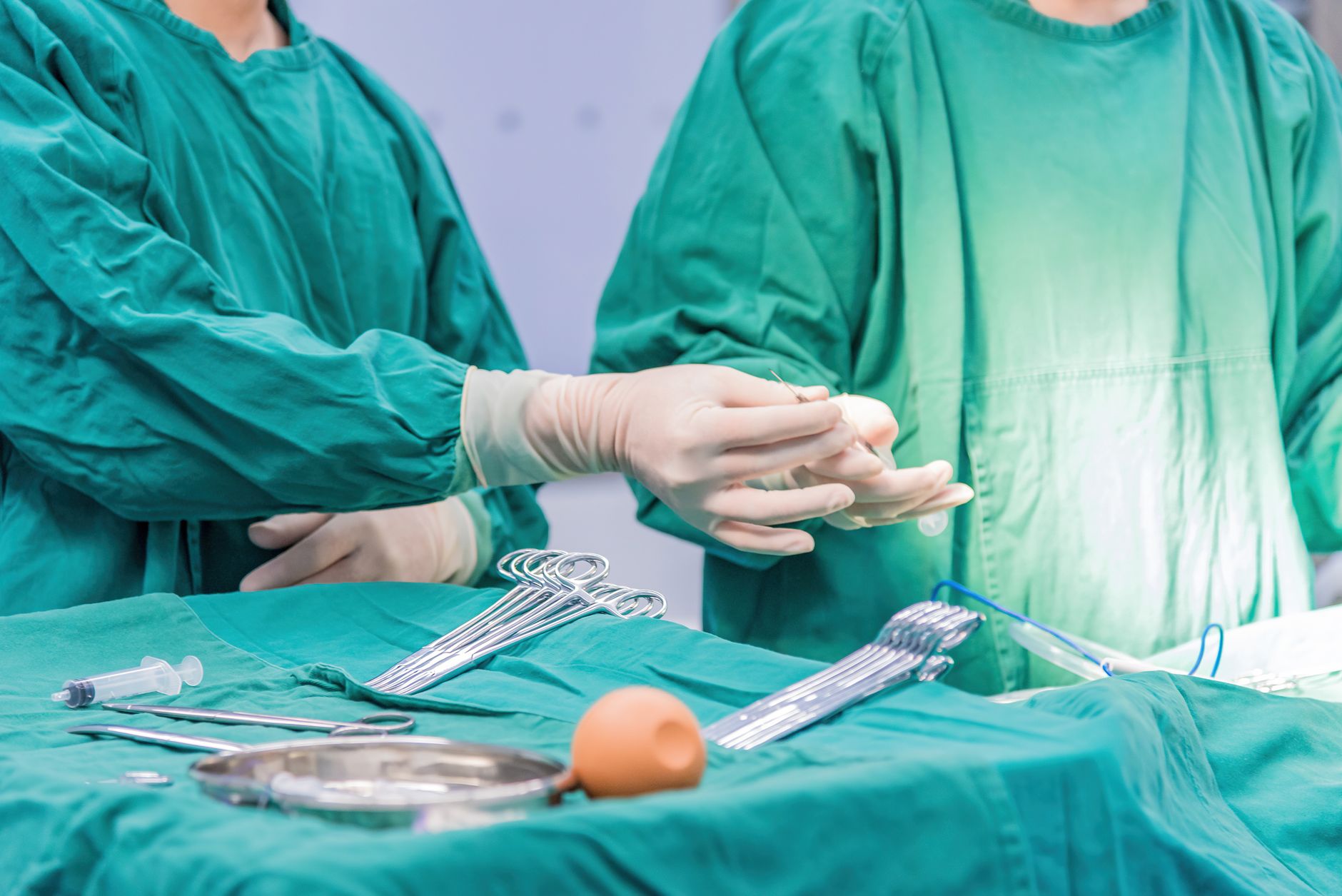
The capsulectomy procedure is performed under general anesthesia, meaning you will be asleep and pain-free throughout the surgery. Here's a typical breakdown of the steps:
- Anesthesia: You will receive general anesthesia.
- Incision: The surgeon will make an incision, usually along the existing scar lines from your original breast implant surgery. This helps minimize new scarring.
- Implant and Capsule Removal: Your surgeon will carefully remove the existing breast implant. Depending on the extent of the contracture and the surgical plan, they will then remove either a portion or the entire scar tissue capsule.
- New Implant Placement: A new breast implant is then inserted. Sometimes, the new implant may be wrapped in a special skin substitute material. This material aims to create a softer capsule and reduce the risk of future contracture.
- Closure: The surgeon closes the incision with dissolvable stitches or sutures and applies a sterile dressing.
The duration of the surgery varies. An open capsulotomy (a less invasive procedure sometimes performed instead of a full capsulectomy) on one breast takes about 20-30 minutes. A full capsulectomy, which involves removing the entire capsule, typically takes about an hour longer.
Recovering from Capsulectomy Surgery
Recovery from a breast implant capsulectomy generally takes about two weeks for complete healing, although the exact timeline can vary based on individual healing rates and the extent of the surgery.
- Immediate Post-Op: You might be able to go home the same day, or you may need an overnight stay in the hospital. You will likely experience some pain, swelling, and bruising, which can be managed with prescribed pain medication.
- Activity Restrictions: You'll need to avoid strenuous activities, heavy lifting, and intense exercise for several weeks. Your surgeon will provide specific guidance on when you can gradually return to your normal activities.
- Follow-Up Appointments: Regular follow-up appointments with your surgeon are crucial to monitor your healing progress and check for any complications.
It's vital to follow all post-operative instructions carefully to ensure the best possible outcome and minimize the risk of complications.
Potential Complications of Capsulectomy
Like any surgical procedure, a capsulectomy carries certain risks. The most common complications include:
- Bleeding: Excessive bleeding during or after surgery.
- Bruising: Significant bruising around the surgical site.
- Infection: Though rare, infection at the incision site or around the implant is possible.
- Scarring: While surgeons aim to minimize visible scarring, some scarring is inevitable.
- Capsular Contracture Recurrence: There is a possibility that capsular contracture could develop again, even after surgery.
- Changes in Sensation: You might experience temporary or permanent changes in nipple or breast sensation.
Your surgeon will discuss these risks with you in detail before the procedure.
When to Consult Your Doctor
It's essential to seek medical advice if you notice any of the following changes or concerns related to your breast implants:
- Sudden or significant hardening of the breast.
- Noticeable distortion in breast shape.
- Persistent pain or discomfort in the breast area.
- Any signs of infection, such as increased redness, warmth, swelling, or fever.
- Concerns about the appearance or feel of your breasts.
Early detection and intervention are key to managing complications effectively. If you're experiencing any of these symptoms, schedule an appointment with your plastic surgeon or a healthcare provider specializing in breast health.
Frequently Asked Questions (FAQ)
Q1: Is a capsulectomy the same as a capsulectomy revision?
A capsulectomy is the surgical removal of the scar tissue capsule. A capsulectomy revision can refer to the removal of the capsule along with replacing the implant, often with the goal of improving the appearance or feel of the breast after contracture.
Q2: Can capsular contracture be treated without surgery?
For mild cases (Grade I and II), surgery may not be necessary. However, for moderate to severe contracture (Grade III and IV), surgical intervention like a capsulectomy or capsulotomy is typically the most effective treatment.
Q3: How long do new implants last after a capsulectomy?
Breast implants are not considered lifetime devices, and their longevity varies. A new implant placed during a capsulectomy will have its own expected lifespan, which your surgeon can discuss with you. Regular monitoring is important.
Q4: Will my insurance cover a capsulectomy?
Coverage varies widely depending on your insurance provider and the specific reason for the surgery. If the capsulectomy is medically necessary due to severe capsular contracture causing pain or distortion, it may be covered. It's best to check with your insurance company and your surgeon's office.