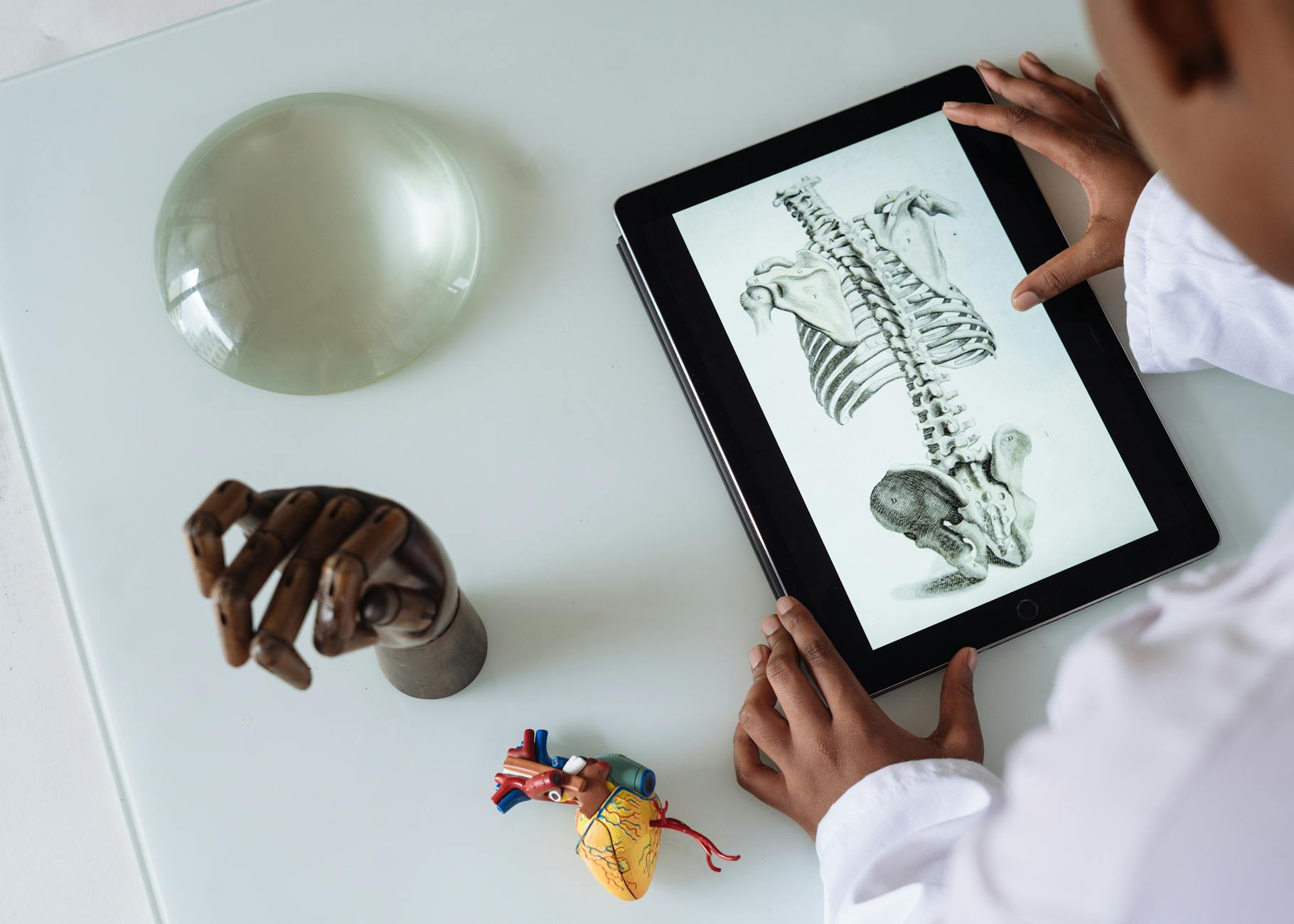
What is Idiopathic Scoliosis?
Scoliosis is a medical condition characterized by an abnormal sideways curvature of the spine. When this curvature develops without any identifiable cause, it is termed 'idiopathic scoliosis'. The term 'idiopathic' itself means 'of unknown cause'. This is the most common type of scoliosis, particularly among adolescents. It typically appears during the growth spurts that occur between the ages of 10 and 18 years. While some degree of spinal curvature is normal, a diagnosis of scoliosis is made if the curve measures more than 10 degrees. Understanding this condition is crucial for timely diagnosis and effective management, ensuring the best possible outcomes for affected individuals.
Types of Scoliosis and Idiopathic Scoliosis
It's important to distinguish idiopathic scoliosis from other forms of scoliosis, such as congenital scoliosis and degenerative scoliosis. Congenital scoliosis is present at birth due to abnormalities in the formation of the vertebrae. Degenerative scoliosis, on the other hand, develops over time due to wear and tear on the spine, often associated with aging or conditions like arthritis. Idiopathic scoliosis differs because it doesn't have a clear genetic or developmental origin at birth, nor is it a direct result of aging or injury. It appears spontaneously during adolescence, and its progression typically slows down as the individual reaches skeletal maturity, unlike some other types that may continue to worsen.
Potential Causes and Risk Factors
While the exact cause of idiopathic scoliosis remains unknown, research suggests several contributing factors. A significant observation is that approximately one-third of individuals with idiopathic scoliosis have a family history of the condition. This suggests a potential genetic predisposition, although no specific gene has been definitively identified as the cause. Other factors that are thought to play a role include:
- Genetics: As mentioned, a family history of scoliosis is a strong indicator, hinting at inherited traits.
- Growth Spurts: The rapid growth experienced during adolescence is a critical period for the development and progression of idiopathic scoliosis.
- Hormonal Factors: Some research explores the role of hormones in the development of spinal curvature, particularly during puberty.
- Connective Tissue Disorders: While not a direct cause, certain conditions affecting connective tissues might increase susceptibility.
It is crucial to note that factors like poor posture, carrying heavy bags, or calcium deficiency are generally not considered causes of idiopathic scoliosis, although they can exacerbate existing spinal issues.
Symptoms of Idiopathic Scoliosis
The symptoms of idiopathic scoliosis can vary in severity and may not always be immediately apparent. Early detection is key, and parents or guardians should be vigilant for the following signs:
- Uneven Shoulder Blades: One shoulder blade may appear higher than the other.
- Uneven Waist or Hips: The waistline might seem asymmetrical, with one hip appearing higher or more prominent than the other.
- Leaning to One Side: The body may naturally lean or tilt to one side.
- Rib Hump: When bending forward, one side of the rib cage may protrude more than the other, creating a visible hump.
- Visible Spinal Curve: In some cases, the spinal curve itself may be noticeable.
- Back Pain: While not always present, especially in milder cases, back pain can occur, particularly in adults or with more severe curves.
Adolescent idiopathic scoliosis is the most common type, affecting about 4 out of every 100 teenagers. It's important to remember that teens might be self-conscious about body changes and may try to hide symptoms by wearing loose clothing.
Diagnosis of Idiopathic Scoliosis
Diagnosing idiopathic scoliosis typically involves a combination of physical examination and imaging tests. The process usually includes:
- Physical Examination: A doctor will examine the spine and posture, looking for the characteristic signs mentioned above. The Adam's forward bend test, where the patient bends forward at the waist, is often used to check for asymmetry in the rib cage or back.
- X-rays: Spinal X-rays are essential for confirming the diagnosis and measuring the degree of curvature. The Cobb angle, measured in degrees, is the standard method for quantifying the spinal curve. A curve of 10 degrees or more is generally considered scoliosis.
- Further Imaging: In some cases, an MRI or CT scan might be recommended to rule out other underlying causes or to get a more detailed view of the spine and surrounding structures.
Treatment Options for Idiopathic Scoliosis
The treatment approach for idiopathic scoliosis depends heavily on the severity of the spinal curve, the patient's age, and the likelihood of progression. Not all cases require treatment. For curves measuring 20 degrees or less, a doctor may opt for observation, with regular follow-up appointments and X-rays to monitor any changes.
Observation
If the curvature is mild (less than 25 degrees) and not progressing rapidly, regular monitoring is often sufficient. This involves periodic check-ups and X-rays to track the curve's development, especially during growth spurts.
Bracing
For curves that are progressing or measure between 25 and 40 degrees, bracing is a common treatment. Scoliosis braces are designed to stabilize the spine and prevent further curvature. They are typically worn for many hours a day, especially during periods of growth. Bracing is a conservative treatment that can be effective in preventing the curve from worsening, with studies showing that a significant percentage of patients who use braces do not require surgery.
Surgery
Surgical intervention is generally considered for severe curves, typically those exceeding 40 degrees, or when conservative treatments have failed to halt progression. Spinal fusion surgery aims to correct the curve and stabilize the spine using bone grafts and instrumentation like rods and screws. While effective, surgery is a major procedure with potential risks and a longer recovery period.
Living with Idiopathic Scoliosis
Living with idiopathic scoliosis involves managing the condition and maintaining a good quality of life. Regular exercise, maintaining good posture, and engaging in physical therapy can be beneficial. It's important to follow the treatment plan prescribed by your doctor and to attend all follow-up appointments. Psychological support can also be valuable, especially for adolescents dealing with body image concerns.
When to Consult a Doctor
It is advisable to consult a doctor if you notice any of the following:
- Visible asymmetry in the shoulders, waist, or hips.
- A noticeable curve in the spine.
- One shoulder blade appearing higher than the other.
- A rib hump when bending forward.
- Back pain, especially if it is persistent or severe.
- A family history of scoliosis.
Early detection and intervention are crucial for managing idiopathic scoliosis effectively and preventing potential complications. Regular health check-ups, especially during childhood and adolescence, can help identify the condition in its early stages.