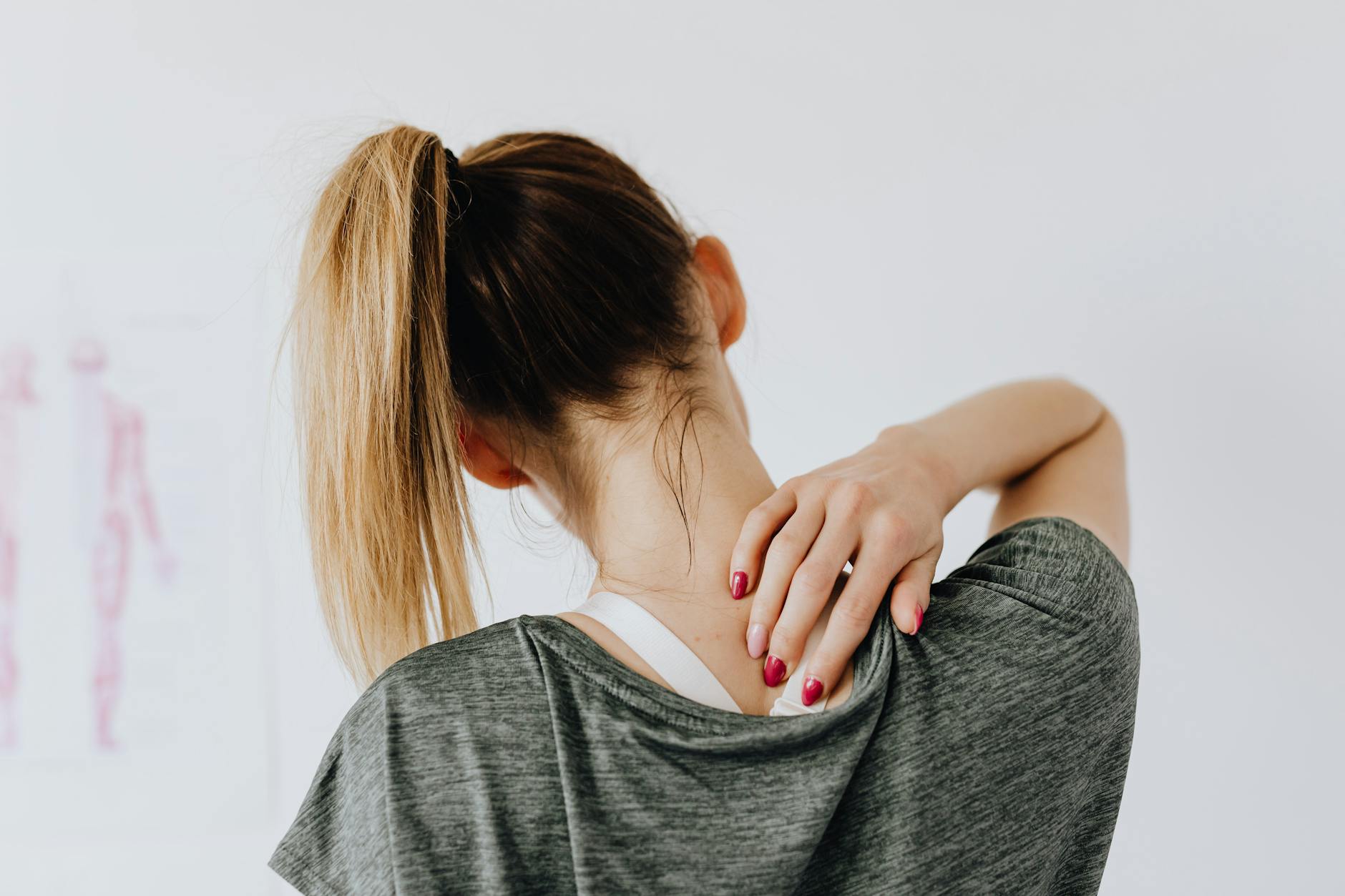
Lower back pain is a common complaint, and for women, it can sometimes be linked to specific health conditions. While many causes of back pain are universal, understanding the factors that uniquely affect women can lead to better diagnosis and relief. This article explores the various reasons behind lower back pain in women, from everyday muscle strains to conditions like endometriosis, and offers practical advice on managing and preventing it.
Common Causes of Lower Back Pain in Women
Back pain doesn't discriminate, but certain conditions can make women more susceptible. Let's break down the potential culprits:
1. Musculoskeletal Issues (Affecting Everyone)
These are the most frequent reasons for back pain, regardless of gender. They often stem from everyday activities and wear and tear:
- Muscle Strains and Sprains: Lifting heavy objects incorrectly, sudden awkward movements, or even prolonged poor posture can pull or tear back muscles and ligaments. Imagine lifting a heavy grocery bag with your back instead of your legs – that sudden strain can lead to significant pain.
- Degenerative Disc Disease: As we age, the cushioning discs between our vertebrae can wear down. This natural process, often noticeable after 40, can sometimes cause significant pain, especially with certain movements. Injuries or repetitive motions can accelerate this degeneration.
- Herniated or Slipped Discs: When the soft inner material of a disc pushes through its tougher outer layer, it can press on nerves, causing pain that might radiate down the leg (sciatica).
- Osteoarthritis: This common form of arthritis can affect the joints in the spine, leading to stiffness and pain.
2. Conditions Specific to Women
These causes are directly related to a woman's reproductive health and hormonal cycles:
- Premenstrual Syndrome (PMS): Many women experience a range of symptoms before their period, including bloating, headaches, fatigue, and yes, lower back pain. This pain is often felt in the lower abdomen and hips as well, typically starting a few days before the period and resolving shortly after it begins.
- Premenstrual Dysphoric Disorder (PMDD): A more severe form of PMS, PMDD can cause intense physical and emotional symptoms, including debilitating back pain, that significantly disrupt daily life. If PMS symptoms are severe and interfere with your ability to function, it's worth discussing with your doctor.
- Endometriosis: This condition occurs when tissue similar to the uterine lining grows outside the uterus, often on the ovaries, fallopian tubes, or pelvic lining. Pain is a hallmark symptom, frequently manifesting as lower back pain, especially during menstruation. Other signs include painful bowel movements or urination during periods, and sometimes fertility issues.
- Dysmenorrhea (Painful Periods): While many women experience menstrual cramps, severe pain, known as dysmenorrhea, can be intense and radiate to the lower back, hips, and legs. It can last for several days and may be linked to conditions like endometriosis or uterine fibroids.
- Pregnancy: Back pain is incredibly common during pregnancy. As the baby grows, your center of gravity shifts, you gain weight, and hormones relax your ligaments, all contributing to strain on the lower back. This pain often starts in the second or third trimester but can appear earlier.
- Uterine Fibroids: These non-cancerous growths in the uterus can sometimes cause pressure and pain, including in the lower back, particularly if they are large or located in certain positions.
- Pelvic Inflammatory Disease (PID): An infection of the reproductive organs, PID can cause lower abdominal and back pain, along with other symptoms like fever and unusual discharge.
Symptoms to Watch For
The nature of the pain can offer clues:
- Dull ache vs. Sharp pain: A constant, dull ache might suggest muscle strain or degenerative issues, while sharp, shooting pains could indicate nerve involvement (like sciatica) or severe cramping.
- Pain Location: Pain localized to the lower back, or pain radiating to the hips, buttocks, or legs, can help pinpoint the cause.
- Timing: Does the pain correlate with your menstrual cycle? Does it worsen during pregnancy? Does it come on after specific activities?
- Accompanying Symptoms: Fever, unusual discharge, digestive issues, or changes in bowel/bladder habits alongside back pain warrant prompt medical attention.
When to Seek Medical Advice
While occasional back pain might resolve on its own, certain signs signal that you should consult a doctor:
- Severe or persistent pain: Pain that doesn't improve with rest or home care, or is severe enough to interfere with daily activities.
- Pain accompanied by fever, unexplained weight loss, or loss of bladder/bowel control. These can indicate serious underlying conditions.
- Pain radiating down one or both legs, especially below the knee. This could be sciatica.
- Pain following a significant injury.
- Back pain during pregnancy that is severe or unusual.
- Pain associated with your menstrual cycle that is debilitating or worsening.
A doctor can perform a physical examination, ask detailed questions about your symptoms and medical history, and may order tests like X-rays, MRIs, or blood work to determine the exact cause.
Managing and Preventing Lower Back Pain
Once you understand the cause, you can take steps to manage and prevent future episodes:
For Musculoskeletal Pain:
- Maintain Good Posture: Whether sitting or standing, be mindful of your alignment. Avoid slouching.
- Strengthen Core Muscles: Strong abdominal and back muscles support your spine. Exercises like planks and bridges are beneficial.
- Lift Properly: Always bend your knees and keep your back straight when lifting heavy objects.
- Regular Exercise: Activities like walking, swimming, and yoga can improve flexibility and strengthen back muscles. Consider gentle yoga or stretching routines specifically for back pain relief.
- Weight Management: Excess weight puts extra strain on your spine.
- Ergonomics: Ensure your workspace is set up to support good posture.
For Conditions Specific to Women:
- Pain Relief During Periods: Over-the-counter pain relievers (like ibuprofen or naproxen), heat packs applied to the lower back or abdomen, and gentle exercise can help manage PMS and dysmenorrhea pain.
- Medical Treatment: For conditions like endometriosis, fibroids, or PID, medical treatment prescribed by your doctor is essential. This might include medication or surgery.
- Prenatal Care: During pregnancy, discuss back pain with your obstetrician. They may recommend specific exercises, supportive belts, or physical therapy.
General Relief Measures:
- Heat or Cold Therapy: An ice pack can reduce inflammation from recent strains (within 48 hours), while heat can relax tense muscles.
- Gentle Movement: Avoid prolonged bed rest. Gentle stretching and walking can help prevent stiffness.
- Physical Therapy: A physiotherapist can provide targeted exercises and techniques for pain relief and rehabilitation.
Living Well with Back Pain
Dealing with lower back pain can be frustrating, but understanding its potential causes, especially those unique to women, is the first step toward effective management. By adopting healthy lifestyle habits, seeking timely medical advice when needed, and exploring appropriate treatments, you can significantly improve your comfort and quality of life. Remember to listen to your body and advocate for your health needs with your healthcare provider.
Frequently Asked Questions (FAQ)
- Can stress cause lower back pain in women?
Yes, emotional stress can lead to muscle tension, including in the back, which can manifest as pain. Additionally, stress can exacerbate the perception of pain from other underlying conditions.
- Is lower back pain during my period normal?
Mild to moderate back pain during your period, often due to uterine contractions and hormonal changes, can be considered normal for many women. However, severe, debilitating pain (dysmenorrhea) or pain that worsens over time should be evaluated by a doctor.
- How can I differentiate between PMS back pain and endometriosis back pain?
PMS-related back pain typically occurs predictably before and during your period and resolves soon after. Endometriosis pain can be more persistent, often worsening significantly during your period, and may be associated with painful bowel movements, painful intercourse, or infertility.
- What exercises are safe for lower back pain during pregnancy?
Gentle exercises like walking, swimming, prenatal yoga, and pelvic tilts can be beneficial. Always consult your doctor or a physical therapist specializing in prenatal care before starting any new exercise program during pregnancy.