What is Lumbar Scoliosis?
Lumbar scoliosis is a condition where the lower part of your spine, known as the lumbar region, develops an abnormal curve. Our spine is naturally curved to help us move and absorb shock, but in scoliosis, this curve becomes excessive or develops in an unnatural way. When this happens in the lower back, it's called lumbar scoliosis. This condition can affect people of all ages, and while sometimes the cause is unknown, other times it's linked to underlying health issues.
Understanding the Spine's Structure
To understand lumbar scoliosis, it's helpful to know that the spine is divided into three main sections:
- Cervical spine: The neck area.
- Thoracic spine: The mid-back area, where the ribs attach.
- Lumbar spine: The lower back area.
A scoliosis curve can occur in any of these sections. Lumbar scoliosis specifically refers to a curve in the lower back.
Symptoms of Lumbar Scoliosis
The symptoms of lumbar scoliosis can vary greatly from person to person. Some individuals may experience no noticeable symptoms, while others might have more pronounced signs. It's important to note that not everyone with a curved spine will experience pain or discomfort.
Common symptoms can include:
- A visible curve or twist in the lower back.
- One shoulder blade appearing higher than the other.
- One hip appearing higher than the other.
- Unevenness in the waist or shoulders.
- In more severe cases, back pain, difficulty with balance, or changes in posture may occur.
It's also possible to have scoliosis in more than one section of the spine. For example, someone might have both lumbar scoliosis and a curve in their thoracic (mid-back) area.
Causes of Lumbar Scoliosis
The exact cause of lumbar scoliosis is often unknown, a condition referred to as idiopathic scoliosis. This is the most common type, particularly in adolescents. However, there are several factors that can increase the risk or be directly linked to the development of lumbar scoliosis:
- Congenital Scoliosis: This occurs when the spine doesn't form properly before birth.
- Neuromuscular Scoliosis: This type is caused by underlying conditions that affect the nerves and muscles supporting the spine, such as cerebral palsy, muscular dystrophy, or spina bifida. These conditions can weaken the muscles, leading to spinal curvature.
- Degenerative Scoliosis: This form typically affects adults and is caused by the wear and tear on the spine over time. Factors like aging, arthritis, osteoporosis, and degeneration of spinal discs and tissues can contribute to this. In adults, lifestyle factors like smoking and physically demanding jobs can also increase the risk of degenerative scoliosis.
- Family History: A family history of scoliosis, especially degenerative scoliosis, can increase an individual's risk.
Diagnosis of Lumbar Scoliosis
Diagnosing lumbar scoliosis usually involves a combination of physical examination and imaging tests. Your doctor will likely:
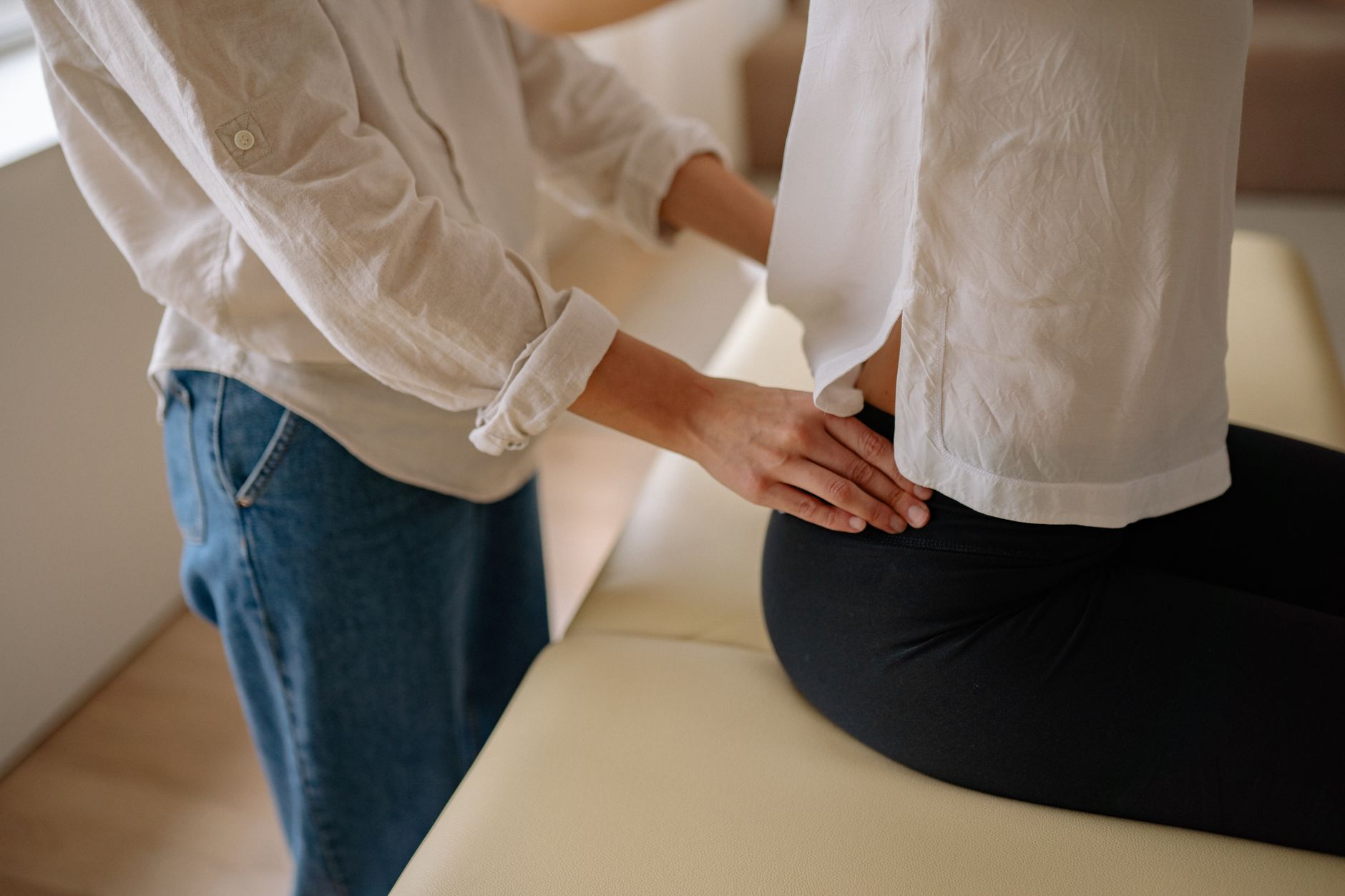
- Perform a Physical Examination: They will check for any visible signs of curvature, unevenness in the shoulders or hips, and assess your posture and range of motion. They might ask you to bend forward to observe the spine's alignment.
- Conduct Imaging Tests:
- X-rays: These are the primary tool for diagnosing scoliosis. They allow doctors to see the exact degree and location of the spinal curve.
- CT Scans or MRI Scans: In some cases, these more detailed imaging tests may be used to get a clearer picture of the spinal cord, nerves, and surrounding tissues, especially if a neuromuscular or congenital cause is suspected.
Treatment Options for Lumbar Scoliosis
The treatment approach for lumbar scoliosis depends heavily on the severity of the curve, the patient's age, the rate of progression, and how much it impacts their daily life. The goal of treatment is to manage symptoms, prevent the curve from worsening, and improve quality of life.
For Children and Adolescents:
- Observation: For mild curves, especially in children who haven't completed their growth spurt, regular monitoring with X-rays might be all that's needed.
- Bracing: If the curve is moderate and the child is still growing, a brace may be recommended. Braces don't correct the curve but can help prevent it from getting worse.
- Physical Therapy: Specific exercises can help improve posture, strength, and flexibility.
For Adults:
- Lifestyle Modifications: For degenerative scoliosis, quitting smoking, maintaining a healthy weight, and incorporating low-impact exercises and stretching can help manage pain and improve function.
- Medications: Over-the-counter or prescription pain relievers can help manage discomfort.
- Physical Therapy: This is crucial for adults to improve strength, balance, and stability, and to reduce pain.
- Injections: For persistent pain, doctors might recommend nerve-blocking injections or epidural steroid injections.
- Surgery: Spinal fusion surgery is usually considered for severe curves that cause significant pain, affect mobility, or pose a risk of nerve damage. It involves straightening and stabilizing the spine with bone grafts and hardware. Surgery is typically reserved for cases where other treatments have not provided relief or when the deformity is substantial.
Prevention of Lumbar Scoliosis
Since many cases of lumbar scoliosis, particularly idiopathic scoliosis, have unknown causes, direct prevention is often not possible. However, for degenerative scoliosis in adults, certain lifestyle choices can help maintain spinal health and potentially reduce the risk or severity of developing this condition:
- Maintain a Healthy Weight: Excess weight puts added stress on the spine.
- Regular Exercise: Engage in regular, low-impact exercises like swimming, walking, or cycling to strengthen core muscles that support the spine.
- Good Posture: Be mindful of your posture while sitting, standing, and lifting.
- Avoid Smoking: Smoking can negatively impact bone health and spinal disc health.
- Proper Lifting Techniques: Use your legs, not your back, when lifting heavy objects.
When to Consult a Doctor
It's important to seek medical advice if you notice any of the following:
- A visible curve or asymmetry in your or your child's back, hips, or shoulders.
- Persistent back pain, especially if it's accompanied by changes in posture or balance.
- Any concerns about spinal health or development.
Early diagnosis and appropriate management can significantly improve the outlook for individuals with lumbar scoliosis, helping them lead active and fulfilling lives.
Outlook for Lumbar Scoliosis
There is no cure for lumbar scoliosis, but it can often be effectively managed with the right treatment. The long-term outlook varies depending on the individual's specific curve, its cause, and the chosen treatment plan. With proper medical care and lifestyle adjustments, many people with lumbar scoliosis can lead full and active lives, minimizing pain and functional limitations. Regular follow-ups with a healthcare provider are essential to monitor the condition and adjust treatment as needed.