What are Skeletal Limb Abnormalities?
Skeletal limb abnormalities refer to conditions where there are problems with the bone structure of your arms or legs. These issues can impact a small part of the limb or the entire limb itself. In many cases, these abnormalities are present from birth, and sometimes babies are born with these conditions affecting more than one limb. While congenital limb abnormalities are rare, they can occur due to various factors. However, it's important to know that acquired abnormalities can also develop after birth due to injuries or certain diseases that affect bone development and structure.
In India, while specific statistics for limb abnormalities might vary, global data suggests these conditions, though uncommon, require careful attention and management. Understanding the potential causes, recognizing the signs, and knowing the available treatment options can significantly help affected individuals and their families navigate these challenges.
Types of Skeletal Limb Abnormalities
Skeletal limb abnormalities can be broadly categorized into two main types:
Congenital Limb Abnormalities
These are abnormalities present at birth. They can arise from genetic factors, such as a chromosome problem, or environmental influences during pregnancy. For instance, a mother taking certain prescription medications during pregnancy might increase the risk. These conditions are often complex and can affect the development of the limb in various ways.
Acquired Limb Abnormalities
An acquired abnormality develops after birth. This can happen if a person is born with normal limbs but experiences a significant event later. A common example is a serious bone fracture during childhood. If a broken bone doesn't heal or grow properly, the affected limb might develop abnormally, becoming shorter or misshapen compared to the other. Certain diseases can also lead to acquired limb abnormalities. Conditions like rickets, which affects bone mineralization, or inflammatory conditions like rheumatoid arthritis can negatively impact bone structure, leading to limb deformities.
Recognizing the Symptoms
The signs of skeletal limb abnormalities can vary widely depending on whether the condition is congenital or acquired, and its severity.
Symptoms of Congenital Limb Abnormalities
When a limb abnormality is present at birth, the outward signs are often noticeable:
- A limb that appears incomplete or is missing certain parts.
- One arm or leg is noticeably shorter than the other.
- The limbs seem out of proportion with the rest of the body.
Symptoms of Acquired Limb Abnormalities
Acquired abnormalities might not always present with obvious physical deformities. Instead, symptoms can be more subtle:
- One leg appearing shorter than the other, even if the difference is slight.
- Experiencing pain in the hip, knee, ankle, or lower back, which can be related to altered gait or joint stress.
- One shoulder appearing lower or slumped compared to the other, indicating a potential imbalance.
- An unusual walking pattern, such as a limp, rotating the leg strangely, or walking predominantly on the toes.
Imagine a scenario where a parent notices their child starting to walk with a slight limp after a fall. Initially, they might dismiss it, but over time, they observe one leg seems shorter. This subtle change prompts them to seek medical advice, leading to the diagnosis of an acquired limb abnormality due to improper bone healing after a fracture.
Understanding the Causes
The exact reasons behind congenital limb abnormalities are not always clear, but several risk factors are associated with them:
- Exposure during pregnancy: Exposure to certain viruses, medications, or environmental chemicals before birth.
- Parental lifestyle: Tobacco use by a parent during pregnancy.
- Associated conditions: The presence of other congenital conditions, such as heart defects, omphalocele (a condition where organs protrude from the abdomen), or gastroschisis (a defect in the abdominal wall).
- Constriction bands: Congenital constriction band syndrome, where bands of amniotic tissue can tangle around the developing limbs in the womb, restricting growth.
Acquired limb abnormalities, as mentioned, are often caused by factors occurring after birth:
- Childhood injuries: Fractures or other trauma to the bone during childhood, especially if they affect the growth plate, can lead to slower or abnormal bone growth.
- Diseases affecting bones: Various medical conditions can impact bone health and structure. These include genetic disorders like Marfan syndrome (affecting connective tissue) and Down syndrome (a chromosomal disorder), as well as conditions like rickets and rheumatoid arthritis that directly affect bone development and integrity.
How Doctors Diagnose Limb Abnormalities
Diagnosing skeletal limb abnormalities typically involves a combination of methods, depending on whether the condition is present at birth or develops later.
Diagnosis for Congenital Abnormalities
For abnormalities present from birth, a diagnosis is often made shortly after delivery through a thorough physical examination. A doctor will carefully assess the baby's limbs for any visible deviations from the normal structure.
Diagnosis for Acquired Abnormalities
If an abnormality is suspected to have developed after birth, the diagnostic process is usually more extensive. It involves:
- Medical History Review: The doctor will ask about your or your child's past illnesses, injuries, and developmental milestones.
- Physical Examination: A detailed physical assessment will be conducted, including measuring the length and proportions of the limbs.
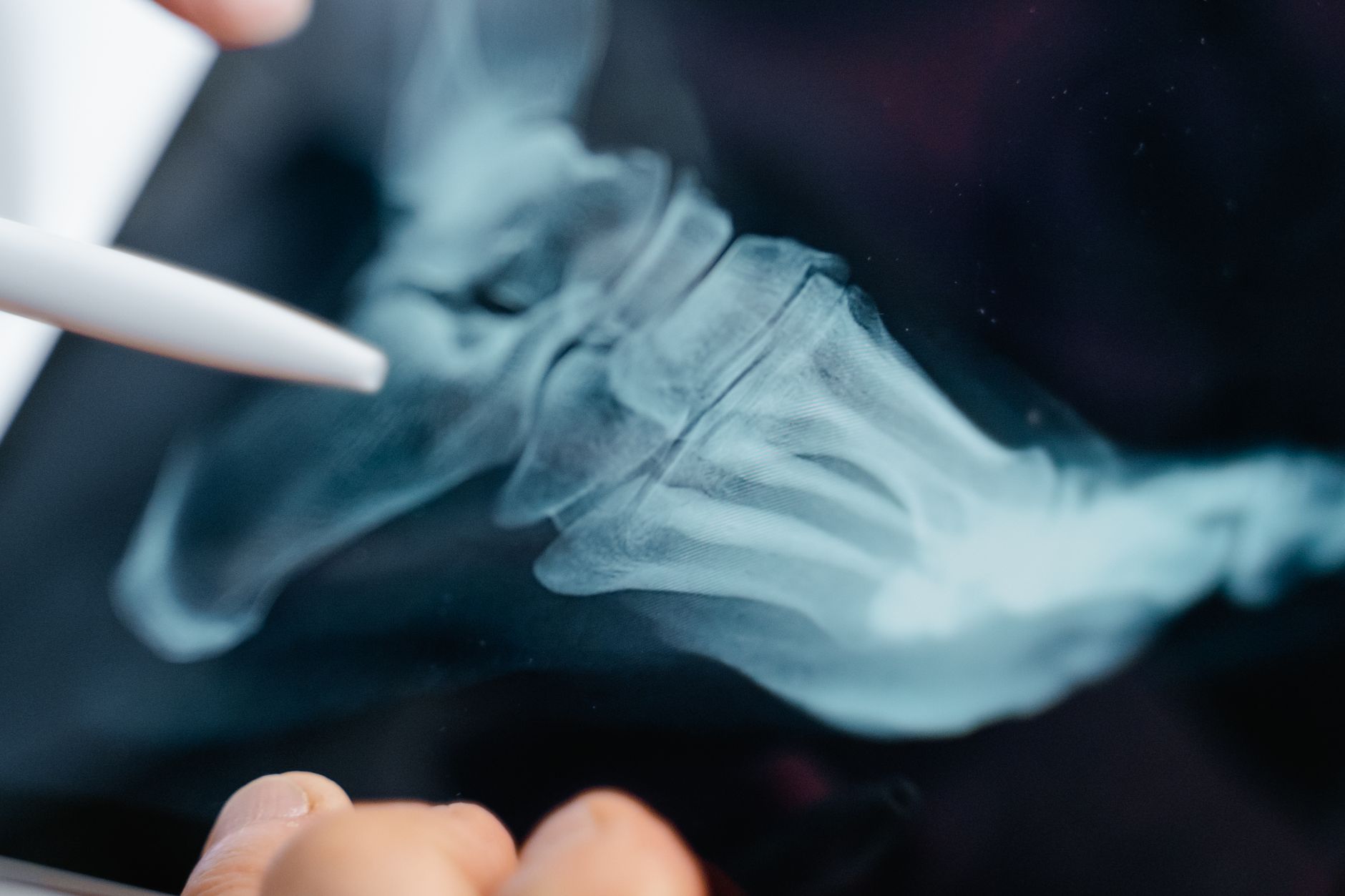
- Imaging Tests: Medical imaging plays a vital role. X-rays are commonly used to visualize the bone structure, identify fractures, and assess bone growth. In some cases, more advanced imaging like CT scans or MRI might be employed to get a clearer view of the bones, joints, and surrounding soft tissues.
Treatment Approaches for Limb Abnormalities
The primary goals of treatment for skeletal limb abnormalities are to encourage proper limb development, improve the limb's appearance and function, and help individuals adapt to any daily life challenges caused by the condition.
Your doctor will work with you to determine the most suitable treatment plan based on the specific type, severity, and location of the abnormality. Treatment options can include:
- Surgical Interventions: Various surgical procedures can be performed to correct deformities, lengthen limbs, or improve joint function. This might involve bone grafts, osteotomies (cutting and reshaping bone), or other reconstructive techniques.
- Physical and Occupational Therapy: Rehabilitation plays a significant role. Therapies help improve strength, flexibility, coordination, and overall mobility. Occupational therapy can assist with adapting daily tasks and using assistive devices.
- Prosthetics: For individuals with missing or severely underdeveloped limbs, artificial limbs (prosthetics) can be fitted. Modern prosthetics are advanced and can significantly improve function and quality of life.
- Orthotic Devices: Braces or other orthotic devices may be used to support the limb, correct alignment, or improve gait.
Preventing Acquired Limb Abnormalities
While congenital abnormalities cannot be prevented, steps can be taken to reduce the risk of acquired ones:
- Child Safety: Implementing strict safety measures to prevent childhood injuries, especially those involving falls or trauma to limbs. Ensure children wear appropriate protective gear during sports and playtime.
- Prompt Medical Attention: Seeking immediate medical care for any significant limb injuries, particularly fractures. Proper diagnosis and timely treatment are essential for ensuring correct bone healing.
- Managing Underlying Conditions: Effectively managing diseases like rickets, diabetes, or inflammatory conditions that can affect bone health is crucial. Following your doctor's treatment plan for these conditions can help protect your bone structure.
When to Consult a Doctor
It's important to consult a doctor if you notice any of the following:
- You suspect a limb abnormality in a newborn.
- Your child develops a limp or shows signs of uneven leg length.
- You or your child experiences persistent pain in a limb or the back that could be related to limb structure.
- There is a noticeable difference in the length or proportion of arms or legs.
- A known injury to a limb does not seem to be healing correctly, or an abnormality develops over time.
Early detection and intervention are key to managing skeletal limb abnormalities effectively and ensuring the best possible outcome for individuals.
Frequently Asked Questions (FAQ)
Q1: Can skeletal limb abnormalities be completely cured?
The outcome depends on the type and severity of the abnormality. Some conditions can be significantly corrected or managed through surgery, therapy, and assistive devices. Others may require long-term management to adapt to the condition.
Q2: Is there a genetic test for congenital limb abnormalities?
Genetic testing can sometimes identify specific genetic causes for some congenital limb abnormalities, especially if there's a known family history or other associated genetic syndromes. However, not all congenital abnormalities have a clear genetic basis that can be identified through current testing.
Q3: How does rickets affect limb development?
Rickets is a condition caused by a lack of vitamin D, calcium, or phosphate. It softens and weakens bones, which can lead to bowing of the legs (bowed legs) and other deformities in growing children as their bones struggle to support body weight.