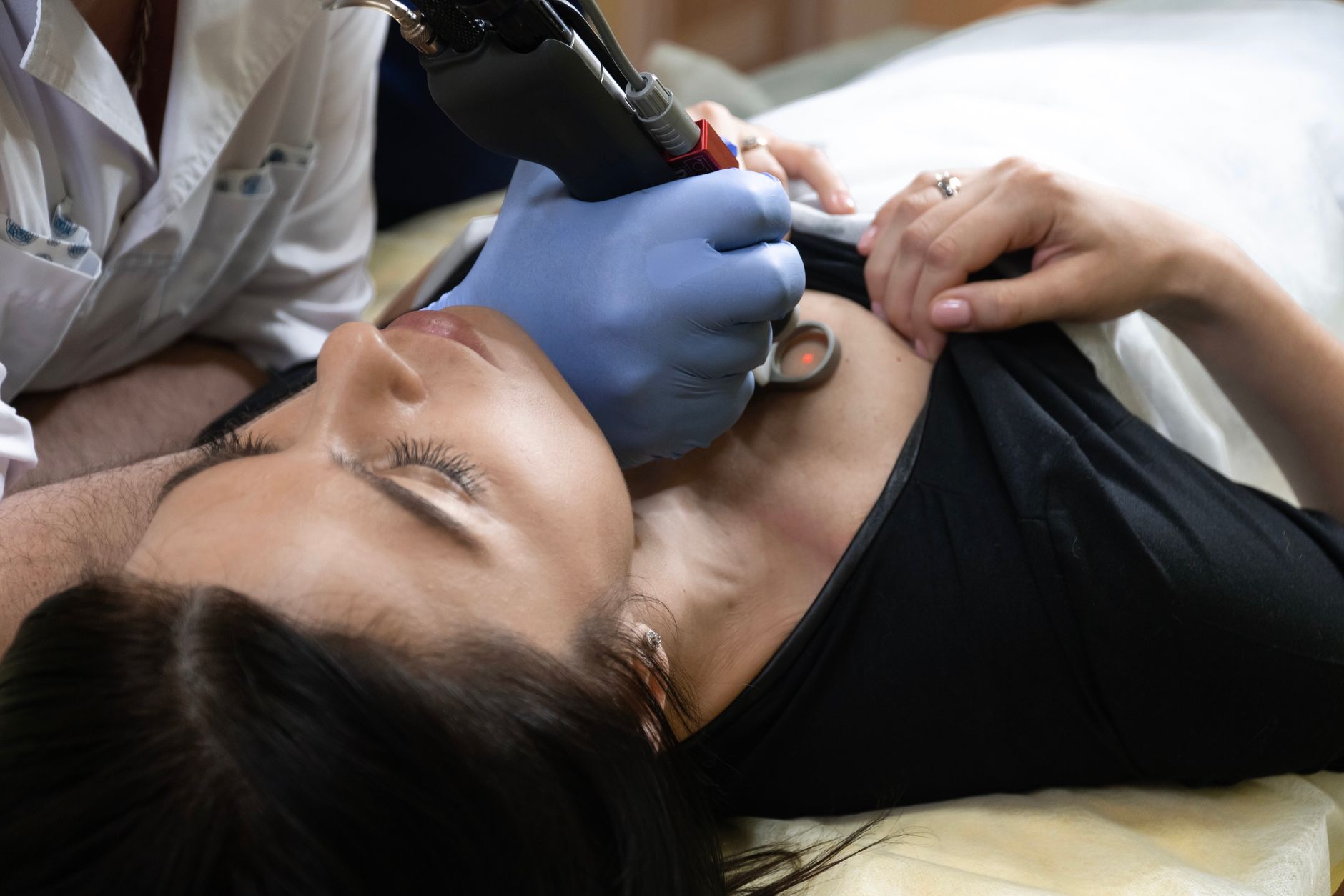
What is a Split-Thickness Skin Graft? A split-thickness skin graft, often referred to as a partial-thickness skin graft, is a surgical procedure used to repair damaged or missing skin. In this technique, surgeons carefully harvest a thin layer of healthy skin from an unaffected area of the body, known as the donor site. This harvested skin is then used to cover an injured or diseased area, called the recipient site. The key characteristic of a split-thickness graft is that it only includes the uppermost layers of the skin – the epidermis and a portion of the dermis. This is different from a full-thickness skin graft, which involves removing the entire thickness of the skin. Split-thickness grafts are commonly used for larger areas of skin loss and are particularly effective because the donor site typically heals more quickly, often within a couple of weeks, and can be used to cover a larger recipient area than a full-thickness graft. When is a Split-Thickness Skin Graft Recommended? Split-thickness skin grafts are a vital treatment option for a variety of conditions and injuries where skin has been lost or severely damaged. In India, as in other parts of the world, these grafts are frequently employed in the management of: Severe Burns: Extensive burns that destroy the full thickness of the skin often require skin grafting to promote healing and prevent infection. Deep Wounds and Lacerations: Large cuts or wounds that expose underlying tissues may necessitate a skin graft to close the defect. Chronic Ulcers: Non-healing ulcers, such as diabetic foot ulcers or pressure sores, can benefit from skin grafting to facilitate closure and healing. Surgical Incisions: In some cases, after the removal of large tumours or extensive debridement of infected tissue, a skin graft may be required to cover the resulting wound. Skin Infections: Certain severe skin infections that lead to significant tissue loss might be treated with skin grafting. Donor Sites: Where Does the Skin Come From? The selection of a donor site is crucial for successful skin grafting. Doctors in India typically choose areas of the body where the skin is known to heal rapidly and where the cosmetic outcome is acceptable. Common donor sites include: Thighs: The outer or inner thigh is a frequent choice due to its relatively large surface area and good healing potential. Buttocks: Another common area, especially when larger grafts are needed. Abdomen: The skin on the abdomen can also be used. Scalp: In some situations, the scalp can be a donor site, as it heals well and hair growth can eventually camouflage the area. Before harvesting the skin, surgeons may prepare the donor site by creating small punctures or a crisscross pattern on the skin. This technique, known as meshing, allows the graft to be stretched, covering a larger recipient area and promoting better drainage and healing. The Procedure: How is it Done? The split-thickness skin grafting procedure is typically performed under local anaesthesia for smaller grafts or general anaesthesia for larger ones, depending on the patient's comfort and the extent of the procedure. The steps involved are: Preparation of the Recipient Site: The injured or diseased area is thoroughly cleaned, disinfected, and any unhealthy tissue is removed to create a healthy bed for the graft. Harvesting the Graft: Using a specialized surgical instrument called a dermatome, the surgeon carefully shaves off a thin layer of skin from the chosen donor site. Preparing the Graft: The harvested skin graft may be meshed (if not already done) to increase its coverage area. Placement of the Graft: The skin graft is then carefully placed over the prepared recipient site, ensuring it lies flat and covers the entire wound. Securing the Graft: The graft is secured in place using sutures (stitches) or surgical staples. Sometimes, a special dressing or a tie-over bolster dressing is applied to hold the graft firmly against the wound bed, promoting contact and healing. Dressing the Donor Site: The donor site, which is essentially a superficial wound, is covered with a protective dressing to aid healing and prevent infection. Recovery and Healing: What to Expect Recovery from a split-thickness skin graft is generally quicker than for a full-thickness graft. The donor site usually heals within 1 to 3 weeks, depending on its size and depth. The skin graft itself requires careful attention to ensure it successfully integrates with the recipient site. Initial Healing: You will typically need to keep the surgical dressing on the graft site for about 5 to 7 days. This is crucial to allow the graft to adhere and begin healing. The surgeon will remove the bandage at your follow-up appointment to assess the graft's progress. Activity Restrictions: For at least a month, strenuous activities, heavy lifting, and certain sports may need to be avoided to prevent dislodging the graft or causing injury. Your doctor will provide specific guidance based on the location and size of your graft. Physical Therapy: Depending on the reason for the graft and its location, you might be advised to undergo physical therapy to regain full function and mobility. Appearance of the Graft: As the graft heals over the next year, its colour may change, appearing red, purple, or discoloured. Eventually, it will mature and blend more with the surrounding skin, though there might be a slight difference in texture or colour. Full Healing: While the initial healing is relatively fast, the complete maturation of the grafted
In summary, timely diagnosis, evidence-based treatment, and prevention-focused care improve long-term health outcomes.