

Emergency & Help
24/7 Emergency & General Advisory
🚨 24/7 Medical Emergency
Non-Emergency Advisory
10:00 AM – 6:00 PM, Mon–Sat
For appointments & general queries.
24/7 Emergency & General Advisory
🚨 24/7 Medical Emergency
Non-Emergency Advisory
10:00 AM – 6:00 PM, Mon–Sat
For appointments & general queries.
Discover how organizations are championing Black doctors and healthcare equity, and explore the lessons India can learn to foster a more inclusive and representative medical workforce for better patient care.

The journey to becoming a doctor is a long and arduous one, demanding dedication, intellect, and unwavering perseverance. Yet, for aspiring Black medical professionals, this path has historically been fraught with unique challenges, compounded by systemic inequities and a lack of representation within the healthcare landscape. In the United States, a stark reality underscores this issue: in 2018, only 5 percent of active physicians identified as Black or African American, a figure that stands in stark contrast to the 56.2 percent who identified as white. This disparity is not merely a statistic; it translates into tangible consequences for patient care, particularly for Black communities who often face implicit bias and a lack of culturally competent healthcare providers. The COVID-19 pandemic has brutally illuminated the devastating impact of racial discrimination within healthcare systems. Black Americans have disproportionately suffered from the virus, a harsh testament to the pre-existing health disparities that have long plagued these communities. These disparities are deeply rooted in historical and ongoing systemic racism, which manifests in various forms, from unequal access to quality healthcare to the subtle, and sometimes overt, prejudices encountered by Black patients within medical settings. A particularly alarming example is the maternal mortality rate. On average, hundreds of women die each year in the United States due to pregnancy-related complications. However, Black women are two to six times more likely to face this tragic outcome compared to white women. This staggering difference highlights a critical failure in our healthcare system to adequately address the specific needs and vulnerabilities of Black women. The term misogynoir , coined by Moya Bailey, encapsulates the specific hatred and prejudice directed towards Black women, which can tragically extend into medical encounters, leading to further harm and neglect. Recognizing these profound issues, a growing movement is dedicated to dismantling these barriers. Numerous organizations are actively working to uplift Black students and doctors, striving to create a more diverse, equitable, and inclusive healthcare industry. Their efforts are pivotal in ensuring that future generations of medical professionals reflect the diverse populations they serve, leading to better health outcomes for all. While the statistics cited above are from the United States, the underlying issues of representation and equitable access to healthcare are global concerns. In India, though the demographics differ, the principle of having a diverse and representative medical workforce that understands and caters to the unique needs of all communities remains paramount. This article explores the spirit of such initiatives and highlights the types of organizations that are making a difference, with a focus on how these models can inspire similar efforts in India. The Critical Need for Diverse Medical Professionals A diverse medical workforce is not just about optics; it is fundamental to providing high-quality, patient-centered care. When patients see healthcare providers who share their background, culture, or lived experiences, it can foster trust, improve communication, and lead to more accurate diagnoses and effective treatment plans. For Black patients, having Black doctors can mean: Improved Trust and Communication: A shared understanding of cultural nuances and a history of overcoming adversity can build a stronger rapport between doctor and patient. Better Recognition of Health Issues: Doctors from similar backgrounds may be more attuned to specific health concerns prevalent in their communities or more sensitive to the subtle manifestations of illness in patients from similar backgrounds. Reduced Health Disparities: Increased representation can help address systemic biases and ensure equitable treatment for all patients, regardless of race or ethnicity. Cultural Competency: Healthcare providers who understand diverse cultural beliefs and practices are better equipped to provide care that respects and aligns with a patient's values. Consider a scenario like this: Mrs. Sharma, a woman from a rural village, feels dismissed by her doctor when she describes a persistent, unusual fatigue. She hesitates to push further, fearing she might be seen as complaining. If her doctor, or at least a nurse or a community health worker, understood the cultural context of her reluctance to speak up, they might have probed deeper, leading to an earlier diagnosis of a thyroid condition. This is where cultural understanding and diverse perspectives in healthcare become invaluable. Organizations Paving the Way Several organizations, particularly in the U.S., have been at the forefront of addressing the underrepresentation of Black individuals in medicine. Their strategies often involve: Pipeline Programs: Encouraging and supporting students from underrepresented backgrounds to pursue careers in medicine and healthcare from an early age. Scholarship and Financial Aid: Providing financial assistance to reduce the burden of medical education costs, which can be a significant barrier. Mentorship and Networking: Connecting aspiring medical professionals with established doctors and healthcare leaders for guidance and support. Advocacy and Policy Change: Working to influence healthcare policies and address systemic racism within medical institutions. Examples of Impactful Organizations (U.S. Context) While these organizations operate within the U.S. healthcare system, their missions and methods offer valuable insights for India. The National Medical Association (NMA): Founded in 1895, the NMA is the oldest and largest organization dedicated to promoting the well-being of Black physicians and patients. It serves as a vital platform for advocacy, professional development, and addressing health disparities. Association of Black Women Physicians (ABWP): This organization, established in 1982, not only awards scholarships to Black medical students but also partners with groups focused on building the pipeline for future healthcare professionals. They recognize the unique challenges faced by Black women in medicine and aim to support them. National Black Nurses Association (NBNA): Representing a vast network of Black nurses, the NBNA provides scholarships and supports its members, acknowledging the critical role nurses play in patient care and health equity. Black Chiropractic Association (ABCA): This organization focuses on supporting Black individuals in the chiropractic field, demonstrating that the need for diversity extends across all medical disciplines. Society of Black Academic Surgeons (SBAS): For over three decades, SBAS has been dedicated to improving health, advancing science, and fostering the careers of African American and other underrepresented minority surgeons, aiming to increase their representation in leadership roles. Lessons for India: Cultivating Diversity in Healthcare The principles championed by these organizations are universally applicable. In India, a nation rich in diversity, ensuring that the healthcare workforce mirrors this diversity is essential for providing equitable and effective care to all its citizens. Here's how these lessons can be adapted: 1. Strengthening Educational Pathways Focus: Identifying and nurturing talent from diverse socio-economic and cultural backgrounds early on. Actions: Scholarship Programs: Establish scholarships specifically for students from marginalized communities pursuing medical and nursing degrees. These could be funded by government initiatives, private trusts, or corporate social responsibility (CSR) funds. Mentorship Networks: Create mentorship programs that connect aspiring medical students with experienced doctors and healthcare professionals from similar backgrounds or who understand the challenges faced by diverse populations. Bridge Courses and Coaching: Offer specialized coaching and bridge courses to help students from less privileged backgrounds prepare for competitive entrance examinations for medical colleges. 2. Promoting Cultural Competency and Awareness Focus: Equipping all healthcare professionals with the skills to understand and respect diverse patient backgrounds. Actions: Curriculum Integration: Incorporate modules on cultural competency, health equity, and understanding implicit bias into the medical and nursing school curricula. In-Service Training: Provide regular training for existing healthcare professionals on effective communication with diverse patient populations, including those from different linguistic, religious, and socio-economic backgrounds. Language Accessibility: Increase the availability of medical information and communication in regional languages to ensure patients can understand their health conditions and treatment plans. 3. Supporting Underrepresented Healthcare Professionals Focus: Creating supportive environments for doctors and nurses from minority or marginalized communities. Actions: Professional Associations: Encourage the formation and growth of professional associations for doctors and nurses from various communities. These associations can provide a platform for mutual support, advocacy, and professional development. Leadership Development: Implement programs aimed at helping underrepresented healthcare professionals ascend to leadership positions within hospitals, medical institutions, and policy-making bodies. Addressing Discrimination: Establish clear grievance redressal mechanisms within healthcare institutions to address instances of discrimination or bias faced by both patients and healthcare providers. 4. Community Engagement and Health Literacy Focus: Empowering communities with health knowledge and ensuring healthcare services are accessible and relevant. Actions: Health Camps in Underserved Areas: Organize regular health camps in rural and remote areas, ensuring they are staffed by professionals who can communicate effectively with the local population. Public Health Campaigns: Launch targeted public health awareness campaigns that address specific health issues prevalent in different communities, using culturally appropriate messaging. Local Health Workers: Train and empower local health workers or community health volunteers who can act as a bridge between healthcare facilities and the community, providing basic health education and facilitating access to care. When to Seek Medical Guidance Regardless of background, proactive health management is key. If you experience persistent symptoms, concerning changes in your health, or have questions about your well-being, consulting a healthcare professional is always the right step. Early detection and intervention can significantly improve health outcomes. Frequently Asked Questions (FAQ) Q1: Why is it important to have doctors from diverse backgrounds?
In summary, timely diagnosis, evidence-based treatment, and prevention-focused care improve long-term health outcomes.
Visit Hospital
Near You
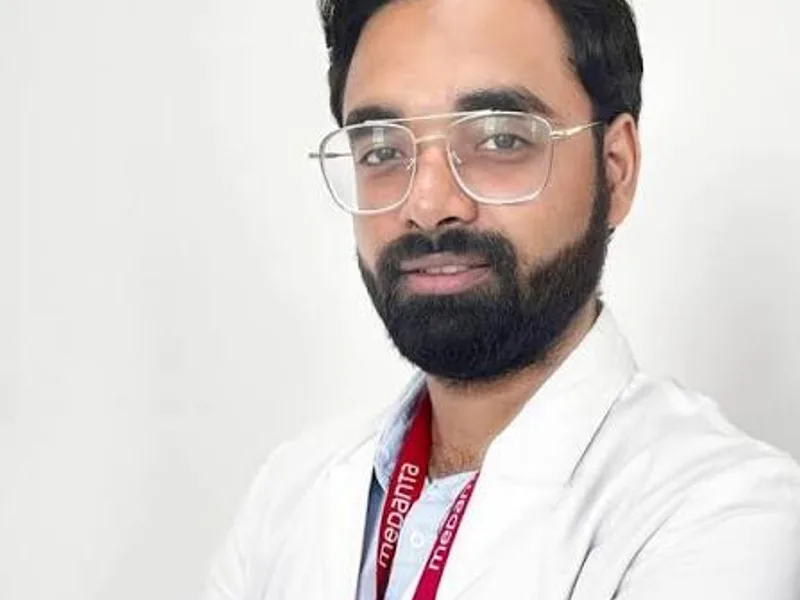
best gastroenterology near me Dr. Ishan Zaidi, gastroenterologist in Allahabad with 12 years' experience, treats fatty liver, IBS, hepatitis, cirrhosis, GERD, and gallbladder disorders. Trained at Tata Memorial and Medanta. Book your consultation for expert digestive and liver care today.
August 7, 2026
Explore the growing specialty hospital landscape in Pakur, offering advanced medical care and expert treatments for complex health conditions.
May 9, 2026

Learn how to find and choose the right hematologist-oncologist and other specialists to manage your Chronic Myeloid Leukemia (CML) care effectively. Discover resources and tips for building a strong treatment team.
April 1, 2026