

Emergency & Help
24/7 Emergency & General Advisory
🚨 24/7 Medical Emergency
Non-Emergency Advisory
10:00 AM – 6:00 PM, Mon–Sat
For appointments & general queries.
24/7 Emergency & General Advisory
🚨 24/7 Medical Emergency
Non-Emergency Advisory
10:00 AM – 6:00 PM, Mon–Sat
For appointments & general queries.
Dr. Adeline Kikam is a dermatologist dedicated to addressing inequities in skincare for people of color. Learn about her journey, the challenges of skin of color, and her initiatives to improve access to dermatological care.

In the vast landscape of healthcare, certain specialties have historically overlooked the unique needs of diverse populations. Dermatology, the branch of medicine focused on skin, hair, and nails, is one such area where a significant gap in representation and understanding has persisted, particularly for individuals with darker skin tones. Dr. Adeline Kikam, a board-certified dermatologist, has emerged as a powerful advocate, dedicating her career to bridging this divide and ensuring that skin of color receives the attention, research, and effective treatment it deserves. Her journey, fueled by personal experiences and a deep commitment to her community, highlights the systemic inequities within skincare and the transformative power of dedicated advocacy.
Dr. Kikam's passion for dermatology wasn't accidental; it was deeply rooted in her own lived experiences. As a Black woman, she encountered firsthand the scarcity of skincare products and information tailored to melanated skin. The packaging of acne treatments rarely featured individuals who looked like her, and discussions around conditions like acne and hyperpigmentation in darker skin were conspicuously absent. This lack of representation led to years of insecurity and a struggle to find effective solutions for her own skin concerns, including acne and subsequent scarring. She recalls avoiding certain clothing styles due to self-consciousness about her skin.
“I struggled back then with finding information on how to care for my skin as a Black woman,” Dr. Kikam shares. This personal challenge became a powerful motivator. When she entered the medical field, her path naturally led her to dermatology. Her training further solidified her understanding of the unmet dermatological needs within BIPOC (Black, Indigenous, and People of Color) communities. Conversations with friends and colleagues revealed a shared frustration: their skin concerns were often not adequately addressed by mainstream dermatological advice or products.
Encouraged by her community and recognizing a void in the digital space, Dr. Kikam launched her Instagram account, @brownskinderm, in 2017. The response was overwhelmingly positive, not just from Black individuals in the US but from a global audience. This affirmation underscored the widespread need for a platform that centered the experiences and dermatological needs of people with darker skin. @brownskinderm quickly evolved from a social media account into a comprehensive platform aimed at combating the lack of representation and accessible information in skincare.
The challenges faced by individuals with darker skin in dermatology are not merely anecdotal; they are systemic. Dr. Kikam points to the pervasive nature of racism within societal structures, including the healthcare system. Colorism, the preferential treatment of lighter skin and the dismissal or demonization of darker skin, is a significant manifestation of this issue. This bias can lead to:
Dr. Kikam's work directly confronts these inequities. She emphasizes the importance of building trust and credibility by increasing the positive presence of Black medical professionals and redefining how providers connect with their clientele, particularly through social media. Her platform challenges the Western, white-centered lens through which beauty and skincare have often been defined, advocating for a more inclusive and accurate representation of BIPOC individuals in the broader skincare discourse.
While @brownskinderm successfully raised awareness and provided valuable information, Dr. Kikam recognized that digital advocacy alone was insufficient. A critical barrier for many Black and Brown individuals remained access to actual dermatological healthcare. This realization spurred the development of further initiatives:
These ventures represent a significant step towards dismantling the barriers that prevent many from receiving appropriate skin health care. By creating specialized services, Dr. Kikam is not only addressing a critical need but also setting a precedent for more inclusive healthcare models.
Beyond patient care and advocacy, Dr. Kikam is deeply committed to inspiring the next generation of dermatologists, particularly those from underrepresented backgrounds. She notes that only a small percentage of dermatology residents in the US are Black. Her work serves as a beacon, encouraging other Black medical students to pursue dermatology and to push past the current statistics. By sharing her journey and highlighting the importance of diversity in medicine, she aims to foster a more inclusive and representative future for the field.
While Dr. Kikam's platform focuses on skin of color, the general principles of seeking dermatological advice apply to everyone. It is advisable to consult a dermatologist if you experience any of the following:
Dr. Adeline Kikam's work exemplifies the profound impact that dedicated advocacy and specialized knowledge can have on healthcare equity. Through @brownskinderm, Brown Skin Derm Consult, and Skinclusive Dermatology, she is not only educating and empowering individuals with skin of color but also challenging the medical establishment to be more inclusive and responsive. Her commitment to representation, research, and accessible care is paving the way for a future where everyone, regardless of their skin tone, can achieve optimal skin health and feel confident in their own skin. Her message is clear: dermatology should be for everyone, and the practice of medicine must evolve to reflect the diversity of the patients it serves.
Skin of color refers to skin that has a higher amount of melanin, typically ranging from Fitzpatrick skin types III to VI. This includes individuals of African, Asian, Hispanic, Middle Eastern, and Indigenous American descent. People with skin of color have unique dermatological needs and concerns due to the higher melanin content, which can affect how skin conditions present and respond to treatments.
Specialized dermatology for skin of color is crucial because conditions like acne, eczema, psoriasis, and even skin cancer can manifest differently and require tailored treatment approaches. For instance, hyperpigmentation and keloid scarring are more common concerns in darker skin tones. A lack of understanding and training among general dermatologists can lead to misdiagnosis, ineffective treatments, and patient dissatisfaction. Dr. Kikam's work highlights the necessity of providers who are knowledgeable about the specific nuances of treating diverse skin types.
You can start by looking for dermatologists who explicitly state their expertise in treating skin of color on their websites or professional profiles. Resources like Dr. Kikam's @brownskinderm platform, Skinclusive Dermatology, and professional organizations often provide directories or recommendations. Asking for referrals from friends or community members who have had positive experiences with dermatologists treating their skin type can also be very helpful.
While general good skincare practices apply to all skin types, individuals with skin of color may benefit from focusing on ingredients that address hyperpigmentation (like vitamin C, niacinamide, or azelaic acid) and gentle exfoliation methods to avoid irritation and post-inflammatory changes. It's also important to use broad-spectrum sunscreen daily, as darker skin tones can still be susceptible to sun damage and hyperpigmentation from UV exposure. Consulting with a dermatologist knowledgeable in skin of color can provide personalized recommendations.
Colorism in healthcare refers to the bias or discrimination based on skin tone, often favoring lighter skin tones over darker ones. This can manifest in various ways, such as healthcare providers unconsciously or consciously giving less attention to patients with darker skin, having less knowledge about their specific conditions, or perpetuating stereotypes. This bias can significantly impact the quality of care received and contribute to health disparities.
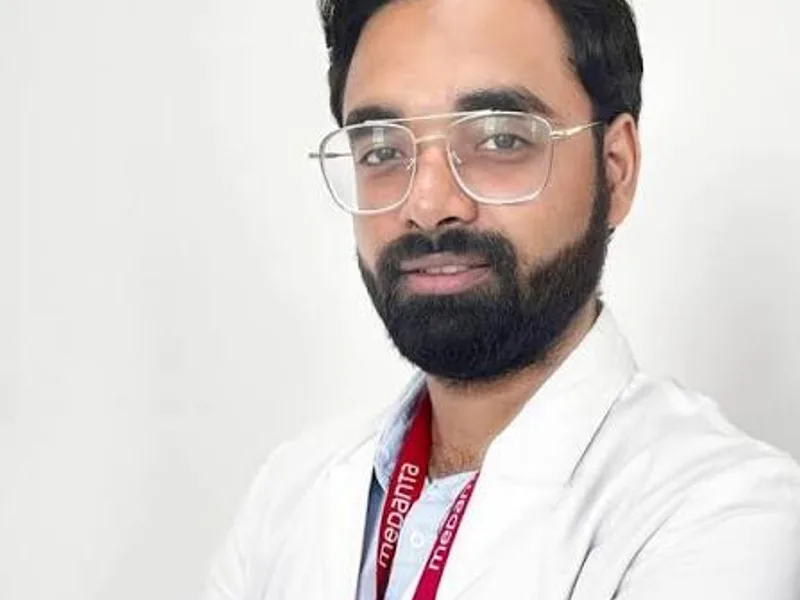
best gastroenterology near me Dr. Ishan Zaidi, gastroenterologist in Allahabad with 12 years' experience, treats fatty liver, IBS, hepatitis, cirrhosis, GERD, and gallbladder disorders. Trained at Tata Memorial and Medanta. Book your consultation for expert digestive and liver care today.
August 7, 2026
Explore the growing specialty hospital landscape in Pakur, offering advanced medical care and expert treatments for complex health conditions.
May 9, 2026

Learn how to find and choose the right hematologist-oncologist and other specialists to manage your Chronic Myeloid Leukemia (CML) care effectively. Discover resources and tips for building a strong treatment team.
April 1, 2026